



Tesla Toppled From EV Throne
China-based rival passes U.S.-based automaker in global sales.

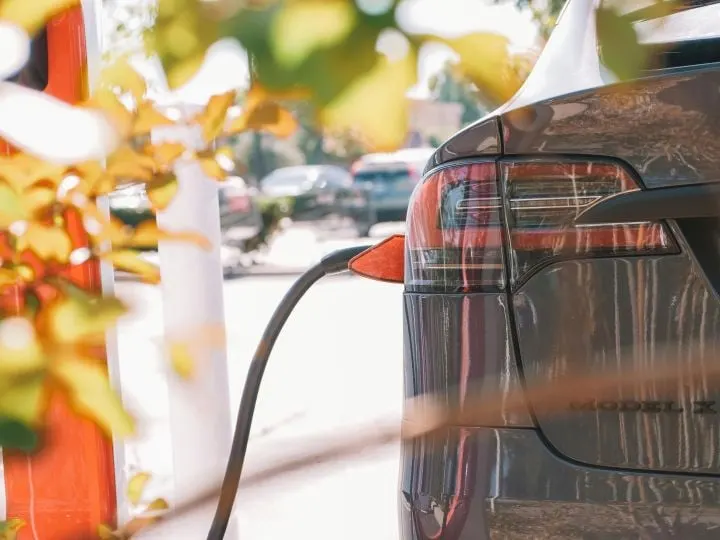
The international report says the global EV industry improved technology, including faster charging speed, longer driving ranges, and less energy consumption.
Pexels/Kindel Media
Chinese automaker BYD surpassed Tesla in worldwide electric-vehicle sales for the first time as it increased sales 25% last year, according to a new report that shows China made more than half of global EV sales.
The third annual International Council on Clean Transportation report says Chinese automakers hold five of the top six positions in zero-emissions sales share and together sold more than 11 million units.
“This consistent progress by Chinese manufacturers shows the long-term strategic benefits of early, sustained investment in electrification,” the report says. “In contrast, automakers in the U.S. and EU face the dual challenges of catching up technologically while navigating increasingly uncertain regulatory environments.”
The Trump administration has taken several steps to dampen EV sales expansion in the U.S., including jettisoning California’s mandate that all new-vehicle sales be zero-emissions models by 2035; proposing the end of federal EV purchase tax credits and an annual fee on EVs and hybrids; and halting public EV charger funding to states.
Meanwhile, China’s auto industry has systematically built its EV sector into a global juggernaut.
“As China-based automakers expand globally, other leading global manufacturers face urgent pressure to accelerate their own transitions or risk losing competitive ground,” said ICCT President and CEO Drew Kodjak.
“The rapid evolution of the EV market in China has created technological and manufacturing advantages for companies there. For the wider global auto industry, this is no longer just about meeting future goals – it’s about remaining competitive today in a market that’s charging up.”
The council’s research also found worldwide industry improvement in EV technology, including faster charging speed, longer driving ranges, and less energy consumption. The shifts included General Motors and Honda’s introduction of high-performance models to “previously limited offerings.”
More Showroom

Making the Safe Choice
Kelley Blue Book has turned households with teen drivers onto safe and affordable options for their vehicles of choice
Read More →
Inventory Holds Steady
September new-vehicle inventory rose slightly month-over-month, but dealer lots are laden with MY2026 vehicles as the typical model year changeover trudges along.
Read More →
October Auto Sales Fall With the Leaves
A forecast anticipates retail deliveries are down this month as consumers continue to face cost challenges, though more are tapping long loans in order to buy.
Read More →
California Sees Quarterly Gains
California’s new-vehicle market saw a boost in hybrids in the third quarter and its first overall quarterly market gain of the year.
Read More →
New-Vehicle Prices Stay Put
Affordability pressures and model availability shaped new-vehicle sales in September, according to an analysis by Kelley Blue Book.
Read More →
EV Buyer Consideration Shifts
What drives American consumers to purchase an electric vehicle is shifting as the question moves away from Should I?' to 'Which features and experience do I want to have?'
Read More →
Year-to-Date Auto Sales Holding Their Own
A forecast through August shows that automakers have shifted strategies to keep deliveries and revenues up despite tariffs and other economic challenges.
Read More →
Slow to Robo
Ten years of polling consumers shows autonomous vehicles’ profiles have risen considerably, but even more people now want at least some level of control if they go that route.
Read More →
Dealers a Little Down
A third-quarter Cox Automotive survey finds them in a mixed mood, bummed by fallen customer traffic but encouraged by better profits, costs and EV interest.
Read More →
European EV Sales Skyrocket
The EV market on the continent held strong in July with almost 25% of new-car sales being fully electric units, a stark contrast to the U.S., where EV sales declined about 42%.
Read More →