



Value of EV Tax Credits, on the Chopping Block, Quantified
J.D. Power poll finds they and other incentives are major sales boosters.

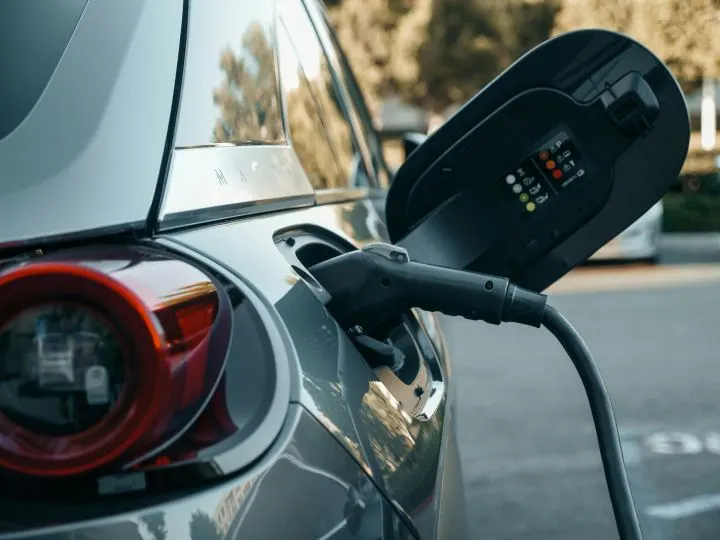
The incoming Trump administration has indicated it plans to eliminate federal tax credits, a plan multiple corners of the auto industry are trying to change.
Pexels/Kindel Media
It’s been clear that federal tax credits for electric-vehicle purchases and leases have played a big role in EV transactions. Newly released research shows just how much.
Essentially half of mass-market EV consumers, or 49%, indicated in a J.D. Power survey that a combination of tax credits and incentives drove their vehicle choice. You might think they would have fewer premium-brand counterparts, but those have been even more influenced, 64% saying the breaks steered them to their specific purchases.
On the whole, 87% of EV acquirers this year received the federal EV tax credit, which totals up to $7,500. Consumers saved an average of $5,124 from that category alone, according to the study, up from $4,302 in 2023 and $1,629 in 2022.
The numbers include Tesla models. In fact, Tesla is among the three brands whose consumers were most influenced by tax breaks and incentives, according to the study. Seventy-two percent of them cited the money-savers as a key reason for their vehicle choices, exceeded only by Volkswagen consumers, at 81%, and Chevrolet acquirers, at 77%. Bringing up the low end of the scale were Hyundai, Kia and Toyota buyers, at 32%, 24% and 21%, respectively.
Lessees have particularly benefited from federal credits, as leases have been exempt from EV battery materials sourcing and vehicle assembly restrictions intended to shore up domestic production.
The credits’ future is in question, though, as the incoming Trump administration has indicated it plans to eliminate them, though many states offer their own credits.
Automakers are trying to head that plan off at the pass. The Alliance for Automotive Innovation, along with a group of EV and battery makers have urged Trump to retain the credit, which has kept EV sales rising, though more slowly than the industry expected several years ago when many automakers vowed to switch to all-EV lineups by the end of the decade. Most have changed up their plans, placing greater emphasis on hybrids to meet more consumers where they are, along with today’s limited charging infrastructure.
More Industry
Auto Nameplate Loyalty Holds in Tough Times
Consumers have been faithful to brands despite financial pressures, and JD Power says that’s because automakers have made some wise moves.
Read More →
Top New Jersey RV Store Sells
Myer’s RV Superstore is expanding its footprint in the state with two new locations that it acquired from Ed Hutchinson Jr.
Read More →
Alliance Analyzes Technician Pipeline
A new industry report examines the state of skilled trades in the U.S. and details the drivers of demand for automotive repair and how technicians enter and grow in the workforce.
Read More →
Luxury Rooftop Changes Hands
Genesis of Glenview is getting a new owner and a new location, but its name will stay the same.
Read More →
Future-Proof Your Business
A new industry outlook details several ways that automotive companies can use the rise in artificial intelligence and advanced technologies to their advantage.
Read More →
Dealership Buy-Sells Keep Going Up
First-half transactions reflect continued high appetite for acquisitions despite falling profits, the most sought-after franchises bringing record prices.
Read More →
California Makes Electric Moves
New laws in the Golden State aim to advance consumer access to public electric-vehicle chargers and reduce costs and barriers to its infrastructure.
Read More →
Rare Earths Independence
Automakers seek alternatives to sourcing battery raw materials in volatile markets roiled by trade wars and disrupted supply chains.
Read More →
Volvo Appoints President and CEO
Klaus Zellmer will replace Håkan Samuelsson as president and CEO of Volvo Cars in 2027 as the company makes strategic shifts toward profitability and cash generation.
Read More →
Fix Up Your Fixed Ops
The department may hold untapped potential for your dealership. There are ways to unearth it and turn it around for more profits.
Read More →