



CFPB: 20% of Single-Payment Auto Title Loans End in Repossession
A report form the CFPB found that about 20% of auto title loan borrowers end up having their car or truck seized by the lender for failing to repay their debt. Eighty percent fall into a debt trap, with more than 66% having to take out seven or more consecutive loans to fully repay their debt.
WASHINGTON, D.C. — A report released today by the Consumer Financial Protection Bureau (CFPB) analyzed the dangers that auto title loans pose to consumers. By examining nearly 3.5 million anonymized, single-payment auto title loan records, the agency found that about 20% of borrowers who take out a single-payment auto title loan end up having their car or truck seized by the lender for failing to repay their debt.
More than 80% of single-payment auto title loan borrowers also wind up renewing their loan the day it’s due because of being unable to pay, according to the report. This, the report adds, has the consequence of more than 66% of borrowers having to take out seven or more consecutive loans until they’re able to fully repay.
“Our study delivers clear evidence of the dangers auto title loans pose for consumers,” said CFPB Director Richard Cordray. “Instead of repaying their loan with a single payment when it is due, most borrowers wind up mired in debt for most of the year. The collateral damage can be especially severe for borrowers who have their car or truck seized, costing them ready access to their job or the doctor’s office.”
The average amount for an auto title loan is $700, according to the CFPB. The typical annual percentage rate for a loan is about 300%. The report examined single-payment auto title loans, where a borrower is required to repay the loan in a lump sump that includes the loan amount, interest and fees. Twenty states in the U.S. allow for this form of loan, however, five states only allow for title loans that can be repayed in installments.
Borrowers generally use these title loans to cover an emergency or other cash-flow shortage between paychecks or other income, according to the CFPB. Borrowers use their vehicle for collateral and the lender holds their title in exchange for a loan amount. If the loan is repaid, the title is returned.
While examining auto title loans, the CFPB found that borrowers of title loans shared many of the same issues that borrowers of payday loans have. Along with high interest rates, both types of loans lead to high rates of consumer reborrowing, which can create long-term debt traps.
For more, click here.
More F&I

Why Your F&I PVR Is Misleading You
Here’s a handy checklist of the numbers to track in 2026 instead.
Read More →
Auto Consumer Anxiety Presents Opportunity
A survey of U.S. drivers found the majority are concerned about finances and the economy, but those fears make many ready to buy vehicle-protection products.
Read More →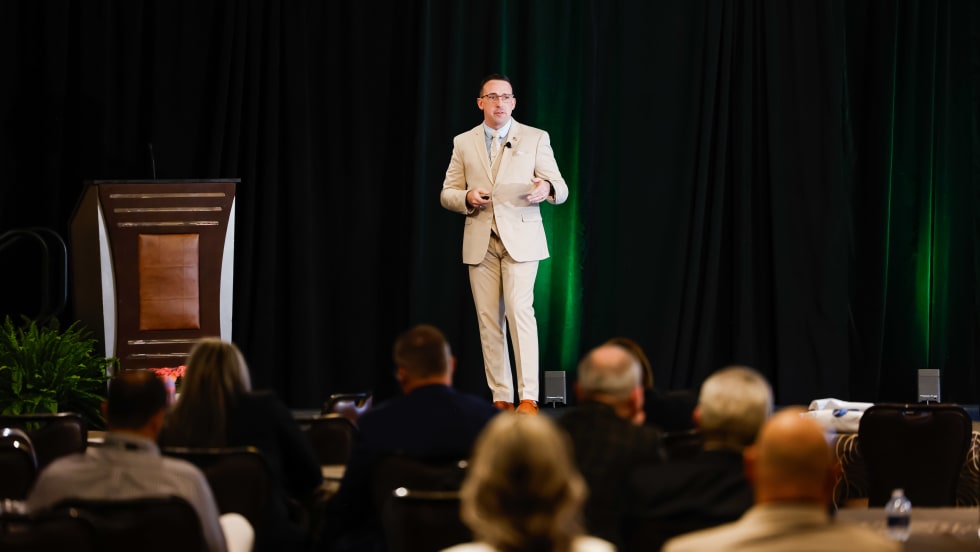
Humble and Hungry: 12 Rules for an F&I Life
Dustin Gingerich, with a decade in the F&I business under his belt, shares his thoughts on leadership, building trust with customers, and the importance of learning and innovation.
Read More →
Focus on the Opening
F&I managers must learn as much as possible about their customers, starting before they walk into their offices. The bulk of today’s consumers expect that, and good results will follow.
Read More →
F&I Reaches for the Sky
The increasingly important profit center continued making gains in the first quarter, according to StoneEagle data, ancillary products proving more popular as consumers hold onto their buys longer.
Read More →
Timing the Market Can Hurt Long-Term Program Performance
For dealer-owned reinsurance entities, avoiding volatility entirely can mean falling behind inflation and missing market rebounds that drive long term surplus growth. Missing just a handful of strong market days can materially impact cumulative returns—an important reminder for long horizon trust and investment strategies.
Read More →
The 90/10 Rule
In this video, Ryan Ruff explains the rule that elite sales professionals use to turn ordinary conversations into unforgettable customer experiences.
Read More →
Your Office Is Talking
What’s the atmosphere saying about you to your customers? You can make minor adjustments and additions that transform your space into one that creates trust with the people on the other side of the desk.
Read More →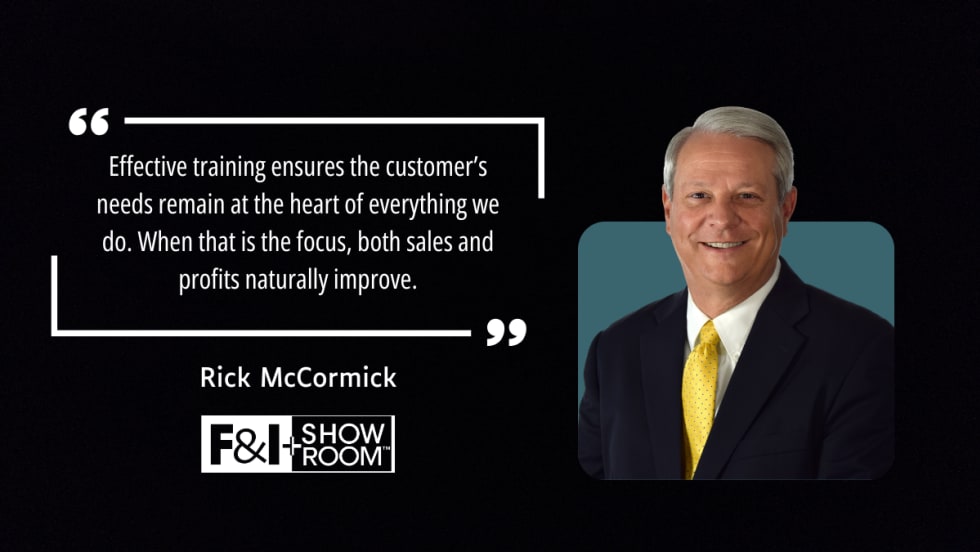
F&I Training Fundamentals
How can auto dealerships help F&I managers fulfill their vital role in the most effective ways? Industry expert Rick McCormick shares his insights on the best ways to train these professionals and help them maintain good habits.
Read More →
Not Just Any Tire Will Do
More consumers and businesses are opting for all-season options for various reasons as safety, sustainability and convenience push practical change.
Read More →