



J.D. Power: Tesla Owners Choose Hype Over Quality
A new report from J.D. Power finds owners of the Tesla Model S and Model X have acknowledged numerous quality issues but show no signs of disloyalty.

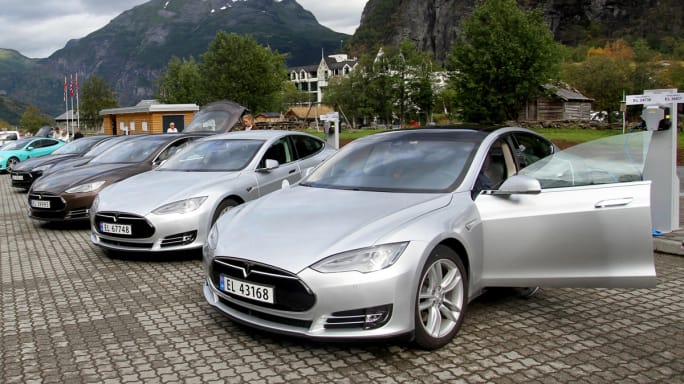
Tesla has demonstrated a rare immunity to disenchanted customers, who have remained loyal despite a long list of quality issues. Photo courtesy Norwegian Electric Vehicle Association
COSTA MESA, Calif. — Problems associated with the Tesla Model S and Model X have little influence on the overt affection owners have for these cars and the brand, according to “Tesla: Beyond the Hype,” a J.D. Power report released today.
“Tesla owners see themselves as pioneers who enjoy being early adopters of new technology,” said Kathleen Rizk, director of global automotive consulting at J.D. Power. “Spending $100,000 or more on a vehicle that has so many problems usually would have a dramatically negative effect on sales and brand perception. Right now, though, Tesla seems immune from such disenchanted customers.”
“Tesla: Beyond the Hype” is a detailed examination of the brand’s quality issues, based on multiple focus groups of Tesla owners and an in-depth evaluation of Tesla models against competitive vehicles by automotive research experts at J.D. Power.
Historically, small sample size has prevented Tesla from appearing in the annual rankings in both the J.D. Power Initial Quality Study (IQS) and the Automotive Performance, Execution and Layout (APEAL) Study. This report, however, provides clients with directional data that gives greater insight to Tesla vehicle quality and owners’ emotional attachment.
Consumers who opt for Tesla’s next model, the Model 3, are expected to be less forgiving of quality issues. “When consumers buy a mass-market car priced around $35,000 that will be their primary mode of transportation, the degree of expectation will increase immensely,” Rizk said. “We’ve seen that with other well-liked brands, whether or not it involves an electric vehicle.”
More Showroom

Affordable, Safe Cars for Teen Drivers
Families looking to balance affordability and safety in vehicles for their teen drivers can look to the updated list of recommended vehicles by IIHS and Consumer Reports.
Read More →
Auto Dealers Feel Better But Not Great
A second-quarter Cox Automotive poll of franchised retailers and independents found better views of the current market after a good spring but anticipation of third-quarter storminess.
Read More →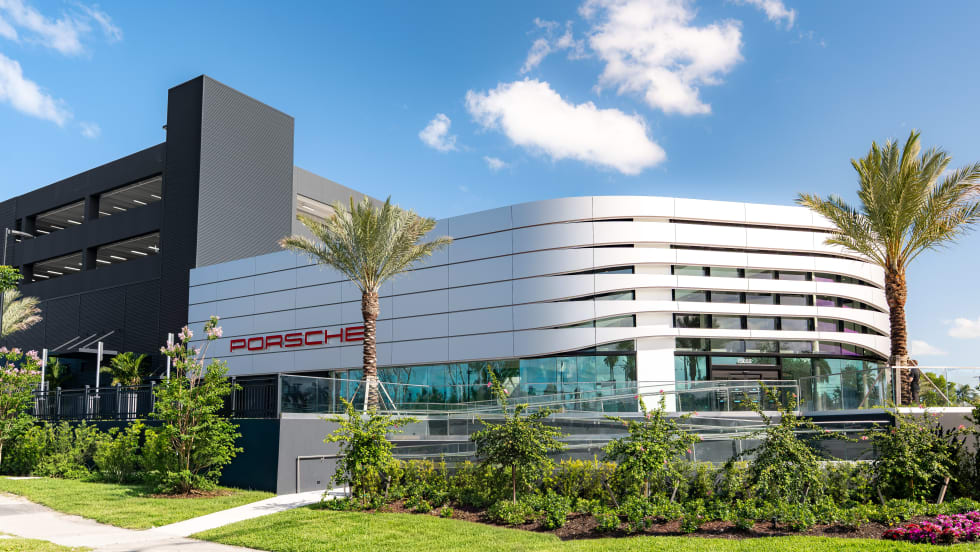
Holman Opens Porsche Dealership in Miami
The North Miami store features the brand’s signature Destination Porsche design concept, combining contemporary architecture and technology to create what the auto group calls an ultra-luxury experience.
Read More →
Chicago to Gain Cadillac Rooftop in 2027
The two-story Cadillac dealership is being constructed at the former Lincoln Yards site, owned and operated by Canada-based Jack Carter Auto Group.
Read More →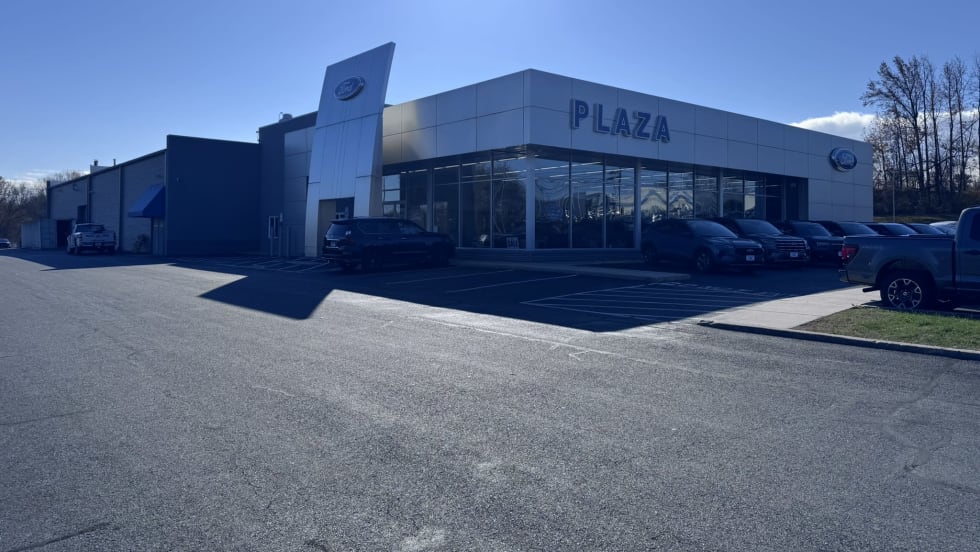
Mid-Atlantic Ford Store Has New Owner
A growing Maryland automotive group is only the 93-year-old dealership’s third owner after its longtime proprietors retired.
Read More →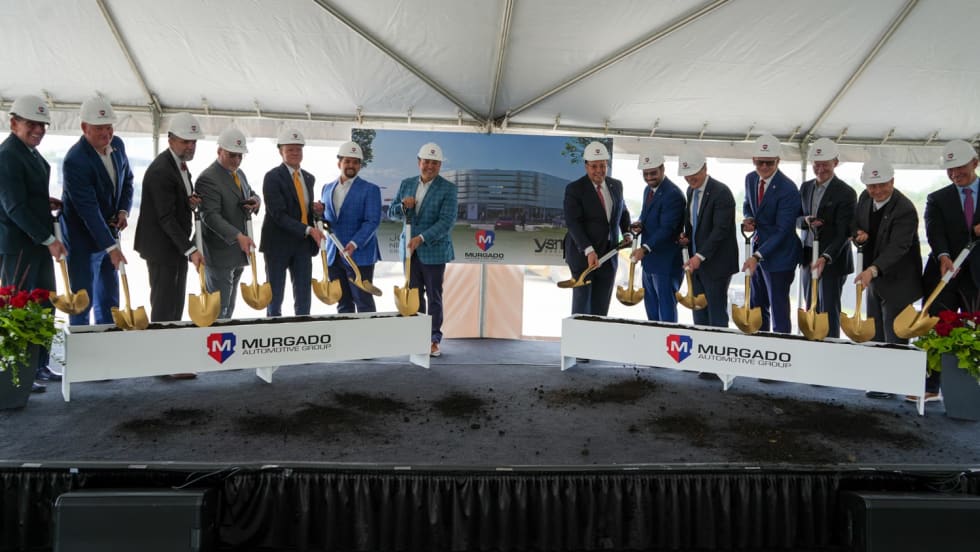
Porsche Dealership Breaks Ground in Illinois
Barrington Porsche will be the new location for Murgado Automotive Group’s existing Porsche dealership currently in the Motor Werks of Barrington auto mall.
Read More →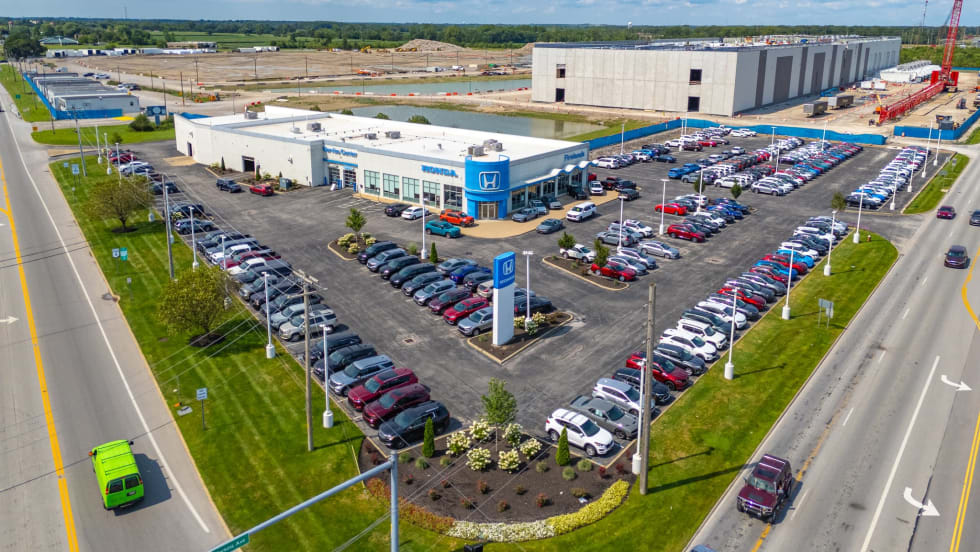
Michigan Auto Group Acquires Ohio Rooftops
Feldman Automotive Group added two new brands, Honda and Toyota, to its portfolio with its latest acquisition of four Fireside dealerships in Ohio.
Read More →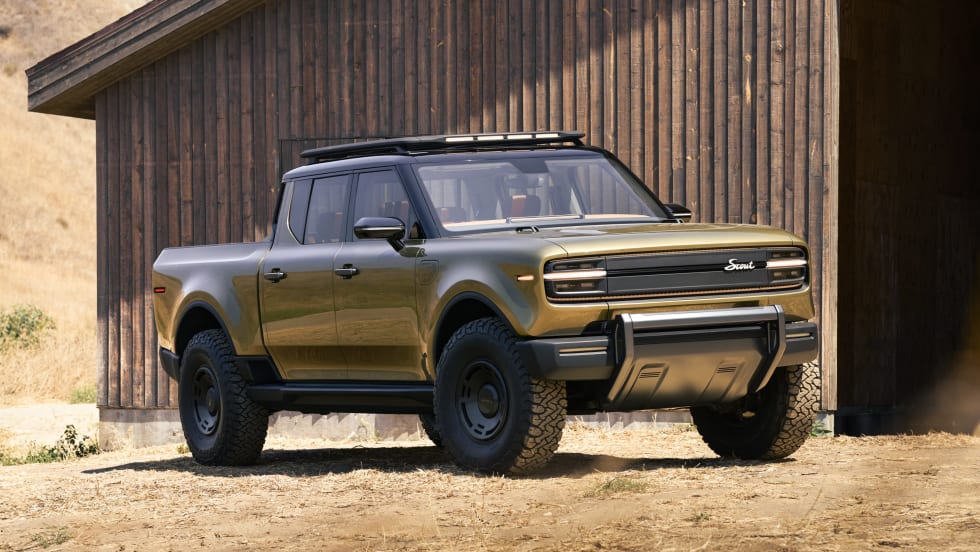
California VW Dealers Go After Scout
The franchisees’ state-level actions follow a California auto dealers trade group lawsuit against the VW affiliate last year, both efforts to stop the EV maker’s plan to sell direct to consumers.
Read More →
EVs Gain Traction in Europe
First-quarter auto sales increased as more consumers took advantage of government incentives. Hybrid deliveries are leading the way on the electrifieds boom.
Read More →
California Holds EV Lead Despite Annual Decline
At nearly 14%, California had the lowest zero-emission vehicle market share in the first quarter since the fourth quarter of 2021, according to the California New Car Dealers Association.
Read More →