



Rate Hikes on Hold as Fed Throttles Back
Chairman Jerome Powell confirmed the Federal Reserve is reconsidering two interest-rate hikes planned for 2019 due to a ‘less favorable outlook’ for the global economy.

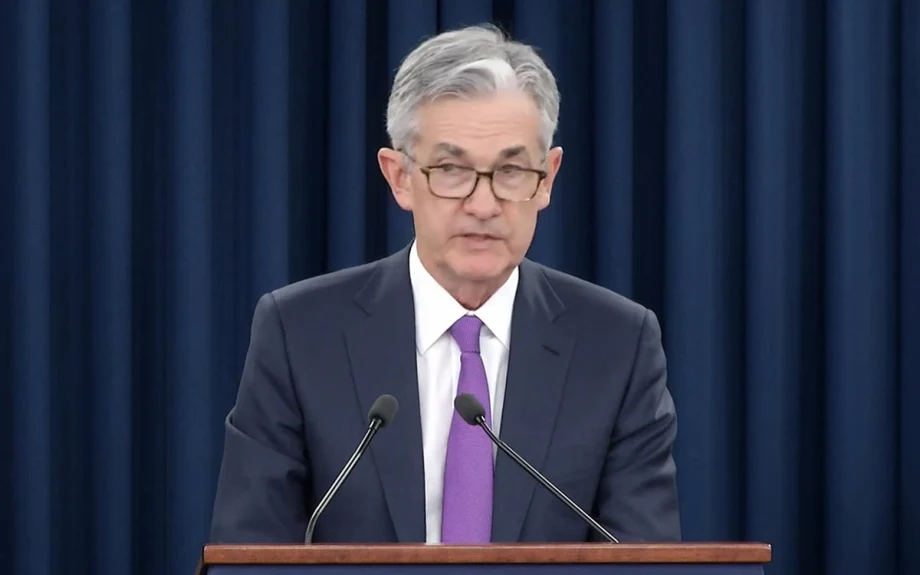
Federal Reserve Chairman Jerome Powell announced a hold on planned interest-rate hikes in a press conference Wednesday.
WASHINGTON — Federal Reserve Chairman Jerome Powell said “the case for raising rates has weakened somewhat” in a press conference that followed the Fed’s first rate-setting meeting of 2019, confirming reports that two increases planned for this year would be suspended. He stressed that domestic economic indicators, including unemployment, remain strong.
“We believe we can best support the economy by being patient and evaluating the outlook before making any future adjustment to policy,” Powell told reporters, citing numerous, mostly global concerns, including U.S.-China trade tensions, the Brexit debacle, and a general economic slowdown in Europe and Asia.
Powell said the 35-day federal government shutdown will leave “some sort of imprint” on U.S. gross domestic product but won’t have a permanent effect. The Congressional Budget Office this week estimated the shutdown will result in a $3 billion loss.
Powell denied the Fed’s decision was swayed by overt pressure from President Donald Trump to cancel the hikes.
“My only motivation is to do the right thing for the economy and the American people. That’s it,” said Powell. “The situation calls for patience, I think it does. That stance of policy is appropriate. We see these uncertainties. We see a time where we have the luxury of being able to wait.”
The federal funds rate, which influences the cost of auto loans and other forms of consumer borrowing, remains at a range of 2.25% to 2.5% following seven incremental hikes since 2015. Jim Bianco of Bianco Research LLC told Bloomberg that Powell is “definitely listening to markets” and could be persuaded to reverse, rather than hold, course.
The Fed’s next adjustment “will probably be a cut at this point, probably later this year, like December or the first quarter of 2020,” Bianco said.
More Auto Finance

Interest Rates Further Squeeze Auto Consumers
Last month’s hike and a potential second increase this month add to a growing list of inflation woes that could continue to dent overall car sales.
Read More →
Mind Your Process
Consistent steps taken in various aspects of the F&I office can make valuable differences over time, similar to an outline for a best-selling book.
Read More →
Top Five Credit Application Fraud Flags
Compliance audits regularly reveal bad habits that can lead to fraud charges and should have been stamped out decades ago.
Read More →
More Auto Loans for the Taking in August
Riskier categories were on the uptick for the month as lenders loosened access in several areas while balancing out the exposure in another, Cox Automotive reported.
Read More →
July Was Hot for Auto Borrowers
Credit proved readily available for many, but most loans left buyers in negative territory, Cox Automotive said.
Read More →
Dealer Lender Preferences Revealed
When lenders provide consistent, fast service, their overall satisfaction scores with dealers greatly improve, according to JD Power research.
Read More →
Auto Refi Savings Surge
Consumers with 84-month auto loan terms who refinanced saved the most on monthly payments, according to a new report by auto refinancing provider Caribou.
Read More →
Subaru Enters Lending Business
The automaker follows other brands in adding captive financing in the U.S., and says the move will strengthen its position here.
Read More →
Positive Equity Reaches Record High
Mainstream vehicle owners who bought a car seven years ago are likely to have positive equity when trading in for a new vehicle, according to second-quarter Edmunds data.
Read More →
Dealerships Are Paying the Price for Extended Car Loans
Growing negative-equity scenarios mean such lengthy terms should be addressed in a forward-looking way to make them work for the dealer and the consumer down the road.
Read More →