



Smart Digital Solutions Improve Car Buying
Though satisfaction with vehicle buying fell in 2022, smart digital solutions grew as a means of driving heightened customer satisfaction.


IMAGE: Pexels/Andrea Piacquadio
Satisfaction with vehicle buying peaked in 2020 and has declined ever since, according to Cox Automotive’s 2023 Car Buyer Journey Study.
Buyers in the Cox study reported frustration with high vehicle prices, limited availability, and the time required to complete the purchase process last year.
“We can attribute the drop in buyer rise in car prices, tight inventory, higher interest rates and macro-economic influences such as the looming recession,” said Lori Wittman, president of Retail Solutions at Cox Automotive.
Some analysts suggest the downward slope could continue as high prices, tight inventory and rising interest rates persist. But despite the hardships, Wittman sees a silver lining, saying smart-digital solutions are improving the car-buying process and that that should drive heightened customer satisfaction.
Buying By The Numbers
According to Car Buyer Journey research, 61% of vehicle buyers reported being highly satisfied with the purchase process, down from 66% in 2021 and 72% in 2022.
Overall, new-vehicle buyers expressed more satisfaction than used-car purchasers, at 70% and 58% respectively. Used-car buyers reporting satisfaction with the purchase process fell from 65% in 2021 to 58% in 2022. Wittman attributes the trend to used car buyers being more impacted by low inventory and higher-than-normal prices last year.
“Buyers in this market are more price sensitive, so the higher prices were acutely painful, leading to higher dissatisfaction,” she says.
Used-car prices remain on a rollercoaster ride. Edmunds research put the average price of a used-car purchase in December at $29,533, down nearly $1,600 from the record high of $31,095 reached in April 2022. Month-over month used-car prices then ticked up 4.3% in February, marking the biggest jump for that month since 2009.
Hunting for a Vehicle
The Cox Automotive Car Buyer Journey showed a typical buyer took 14 hours and 39 minutes from start to finish to purchase a new vehicle, up 18% from 2021. Online research jumped from six hours, 51 minutes in 2021 to eight hours, three minutes in 2022. Time at the dealership also increased from two hours, 37 minutes to two hours, 57 minutes.
“Vehicles were harder to find because of tight inventory, and the prices were higher, resulting in consumers spending hours on extensive research before purchasing a vehicle,” Wittman says.
Low inventory and soaring prices drove consumers to spend more time looking for a vehicle across all avenues—OEM, dealer, third-party and used-vehicle sellers, according to Wittman. Despite doing research beforehand, 63% of buyers said they paid more than they wanted to for their vehicles, while only 48% said they were content with the price, down from 63% in 2021.
“All these dynamics created a less efficient and more unpleasant car buying journey,” she says.
Vehicle Ordering Soars
Preordering vehicles last year led to higher satisfaction ratings, Cox Automotive’s research found.
Nearly one in five vehicles was preordered in 2022, an 89% year-over year increase. Seventy-nine percent of consumers who preordered reported being satisfied with the experience, and 72% said they would preorder their vehicles again.
Buyers who ordered their vehicles got them faster, could track their orders, and had more touchpoints with the dealership, Cox found.
“We expect this trend will continue, as buyers want to maintain control of the buying process and drive away in the vehicle that suits their specific needs and expectations,” Wittman says.
More Focus on F&I
Cox found more buyers selected F&I products with their purchases last year and leaned into lenders they trust.
In fact, 67% of buyers purchased an F&I product, versus 59% in 2021. The average buyer purchased 1.6 products. More consumers bought extended warranties, GAP insurance and tire-and-wheel protection, Cox reported.
Lending practices also shifted, according to the research.
“With auto loan rates rising in 2022, the best rate remained the top reason for selecting a lender [followed by a monthly payment they could afford,]” Wittman says. “However, a growing importance was placed on trust in and general familiarity with a lender.”
Other lender considerations included:
• Ease of the loan application process: 28%
• Dealer recommendation: 24%
• Many terms to choose from: 20%
• Ease in setting up automatic payments: 19%
Consumers who completed their financing process online reported a satisfaction rate of 86%, significantly higher than those who only did some of the process online, at 64%. Respondents reported that financing online took 56 minutes, compared to three hours at the dealership.
Digital Solutions: The Way to Go
Shoppers, buyers and dealers agreed that digital solutions make the car-buying journey easier, Cox Automotive found.
Last year, only 8% of customers made their purchases solely online, though 28% of those surveyed said they plan to make their next purchase completely online. About 39% used a mix of online and in-person options, while 53% made their purchases completely in person. Cox found 64% of consumers plan their next purchases to be a mix of online and in-person, and just 8% to be completely in-person this year.
“The Car Buyer Journey showed us that today’s online shoppers comprise 43% of the market, underscoring that digital solutions are essential to the carbuying process,” Wittman says. “We’re forecasting that this year, half of vehicle buyers will engage with digital retailing tools. We see this as a win-win for dealers and customers, as it will make the car-buying process smoother.”
Cox found that 68% of consumers say they will do most of their purchase process online in the future, up from 54% in 2021; 80% think it’s a good or great idea to buy entirely online, up from 76% in 2021; and 44% plan to use only websites that allow them to complete desired vehicle steps online.
Electric-vehicle buyers put more importance on e-commerce than those purchasing gasoline-powered vehicles, with 87% saying they are open to buying a vehicle completely online compared to 73% of purchasers of gas-powered vehicles. Consumers reported that e-commerce gets them the best deal and takes pressure off the purchase process.
Most dealers reported digital retailing positively impacted their business in at least one area, according to Wittman.
Survey respondents suggested online retailing decreases time spent on the deal, raises efficiency, boosts sales and profits, and grows relationships with customers.
“Yet dealer preparedness in offering a fully online car-buying process for consumers varies,” Wittman says. “Only one in three dealers offer all steps online today.”
Nonetheless, she says dealers are rapidly shifting to digital retailing. “Simultaneously, consumer preference for online processes continued to grow in 2022 and shows no signs of stopping. This should be a signal to dealers that having an online retail presence and functionality correlates to buyer satisfaction.”
“Incorporating digital retailing solutions into the purchase process streamlines the car-buying journey and personalizes it to the customer, which results in more sales and higher margins for the dealer. The streamlined process also builds trust, keeping customer satisfaction high.”
More Showroom

Affordable, Safe Cars for Teen Drivers
Families looking to balance affordability and safety in vehicles for their teen drivers can look to the updated list of recommended vehicles by IIHS and Consumer Reports.
Read More →
Auto Dealers Feel Better But Not Great
A second-quarter Cox Automotive poll of franchised retailers and independents found better views of the current market after a good spring but anticipation of third-quarter storminess.
Read More →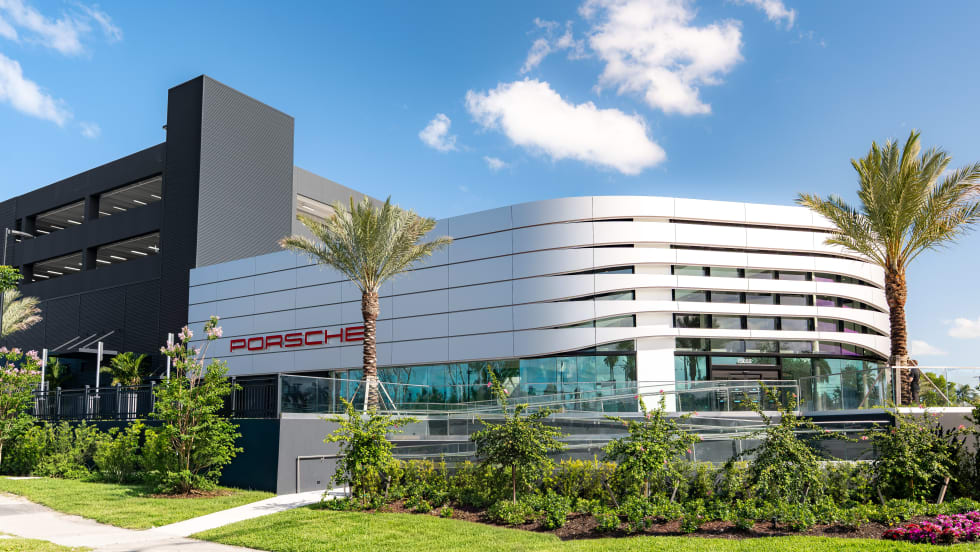
Holman Opens Porsche Dealership in Miami
The North Miami store features the brand’s signature Destination Porsche design concept, combining contemporary architecture and technology to create what the auto group calls an ultra-luxury experience.
Read More →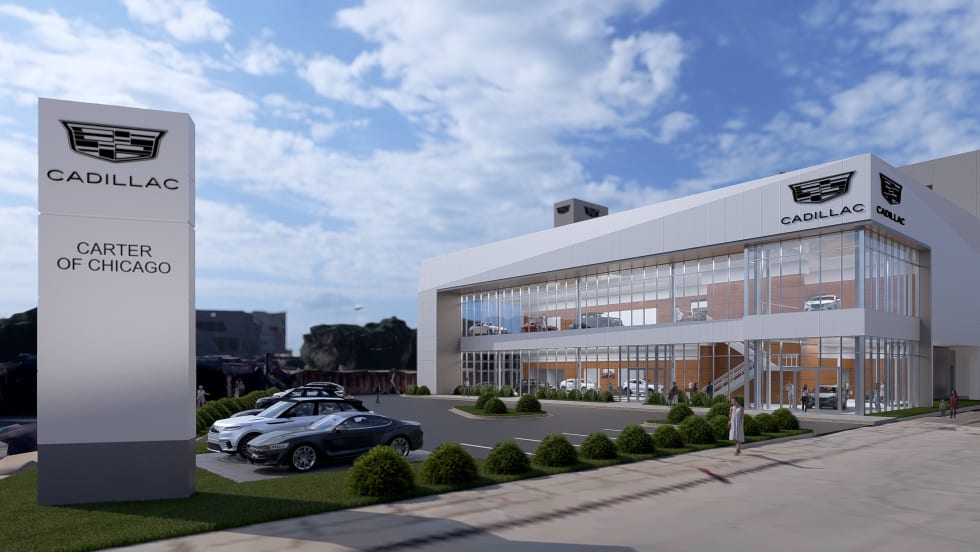
Chicago to Gain Cadillac Rooftop in 2027
The two-story Cadillac dealership is being constructed at the former Lincoln Yards site, owned and operated by Canada-based Jack Carter Auto Group.
Read More →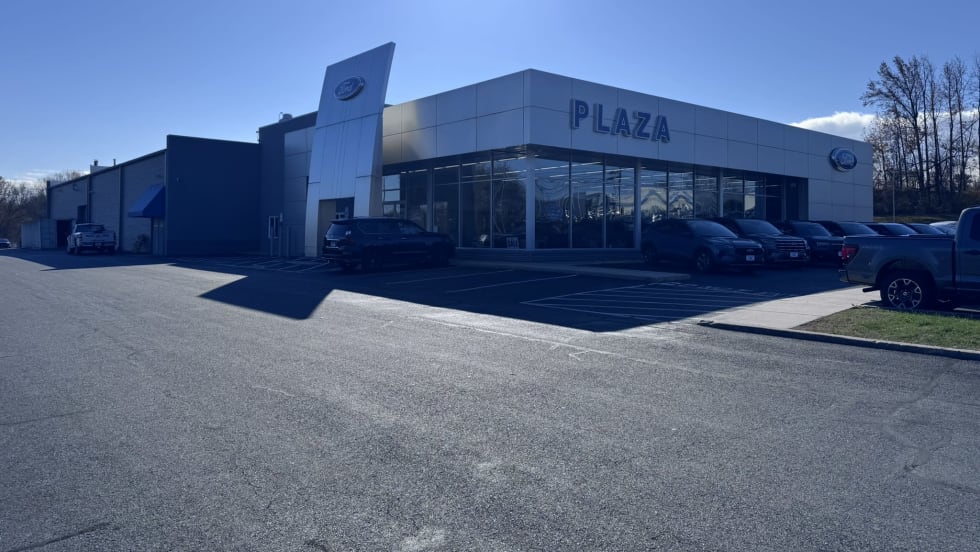
Mid-Atlantic Ford Store Has New Owner
A growing Maryland automotive group is only the 93-year-old dealership’s third owner after its longtime proprietors retired.
Read More →
Porsche Dealership Breaks Ground in Illinois
Barrington Porsche will be the new location for Murgado Automotive Group’s existing Porsche dealership currently in the Motor Werks of Barrington auto mall.
Read More →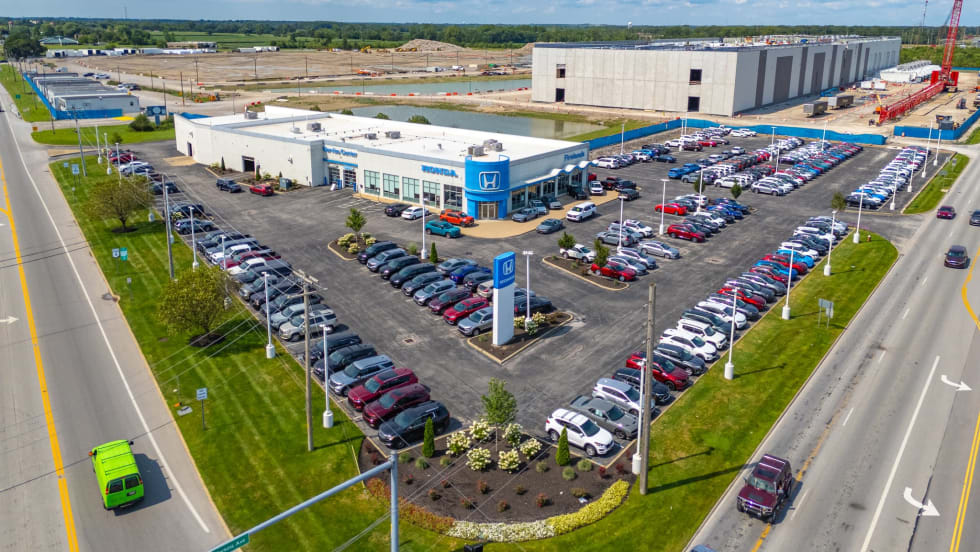
Michigan Auto Group Acquires Ohio Rooftops
Feldman Automotive Group added two new brands, Honda and Toyota, to its portfolio with its latest acquisition of four Fireside dealerships in Ohio.
Read More →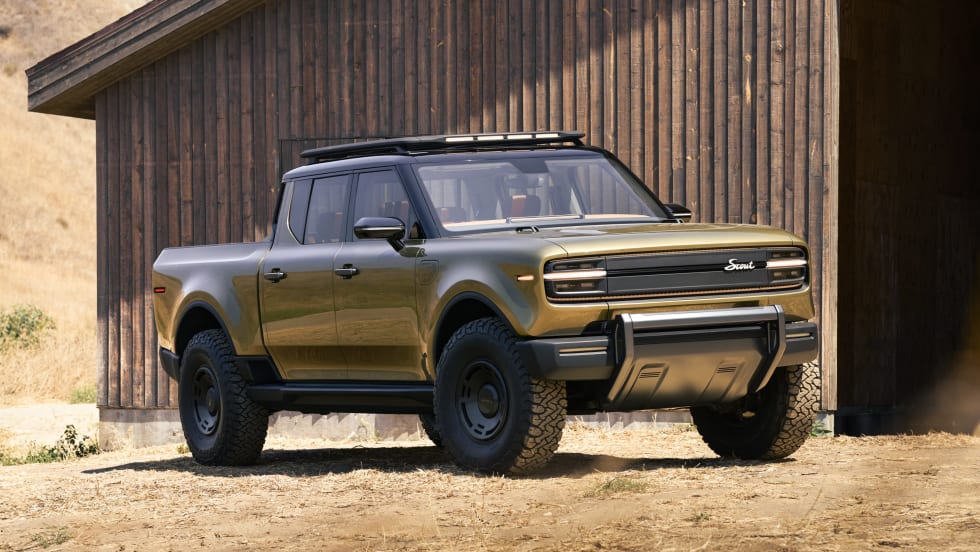
California VW Dealers Go After Scout
The franchisees’ state-level actions follow a California auto dealers trade group lawsuit against the VW affiliate last year, both efforts to stop the EV maker’s plan to sell direct to consumers.
Read More →
EVs Gain Traction in Europe
First-quarter auto sales increased as more consumers took advantage of government incentives. Hybrid deliveries are leading the way on the electrifieds boom.
Read More →
California Holds EV Lead Despite Annual Decline
At nearly 14%, California had the lowest zero-emission vehicle market share in the first quarter since the fourth quarter of 2021, according to the California New Car Dealers Association.
Read More →