



Speedy Statistics Broken Down
Report shows groups most likely to be involved in speed-related incidents.


The Honda Civic topped all models on speed-related incidents in the 50 biggest U.S. cities.
Honda
A finance industry analysis revealed the most speed-prone demographics that present vulnerabilities to higher insurance premiums.
The LendingTree report indicates Portland, Ore. Is the most speed-prone of the biggest 50 U.S. cities, as measured by the number of speed-related incidents per 1,000 drivers. Portland drivers had about 12 incidents per 1,000.
The North Carolina-based online lending marketplace doesn’t use the term “crash” or “accident” in the report, so the statistic likely includes citations for speeding without a collision.
Not surprisingly given their youth, the study found Generation Z drivers the most likely to be involved in speed-related incidents, also with about 12 per 1,000 drivers, easily surpassing millennials, who have about seven per 1,000. Baby boomers had the lowest rate at three per 1,000.
The distinction can bring painful repercussions. LendingTree says speeding incidents in the biggest cities make speeders’ average annual insurance premiums about $600 higher.
More important, it’s risky. “Speeding is one of the leading factors in fatal traffic collisions,” said LendingTree auto insurance expert Rob Bhatt. “We could save thousands of lives each year if speeders slowed down.”
Broken down by brand, Subaru drivers are oddly the fastest, according to the report, with about eight incidents per 1,000 drivers, followed closely by BMW drivers, at seven per 1,000, and Infiniti drivers at about the same rate.
At the more specific model level, Honda Civic drivers had the highest incident rate at nine per 1,000, in a virtual tie with Volkswagen Jetta and Chevrolet Camaro drivers.
LEARN MORE: Freeway Speeding Can Endanger Communities
Originally posted on Auto Dealer Today
More Industry
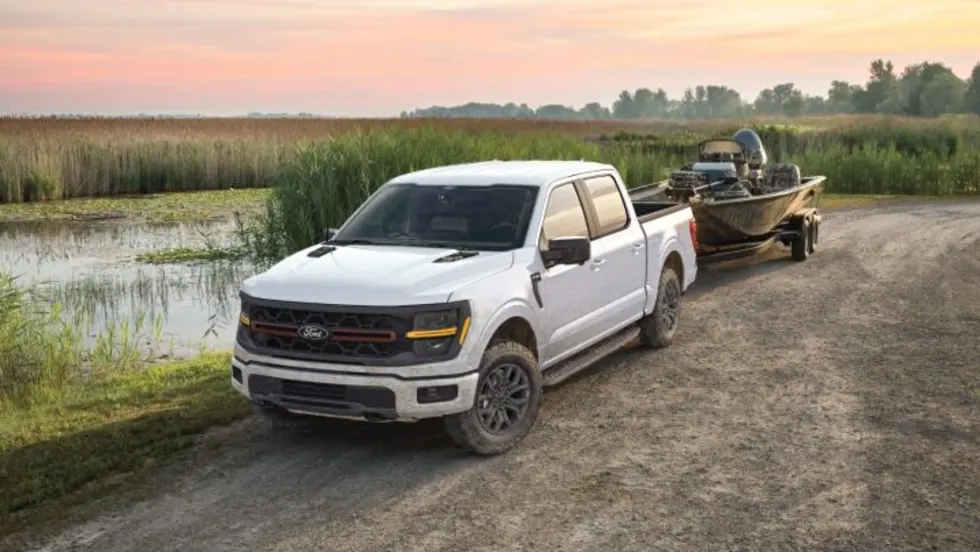
Auto Nameplate Loyalty Holds in Tough Times
Consumers have been faithful to brands despite financial pressures, and JD Power says that’s because automakers have made some wise moves.
Read More →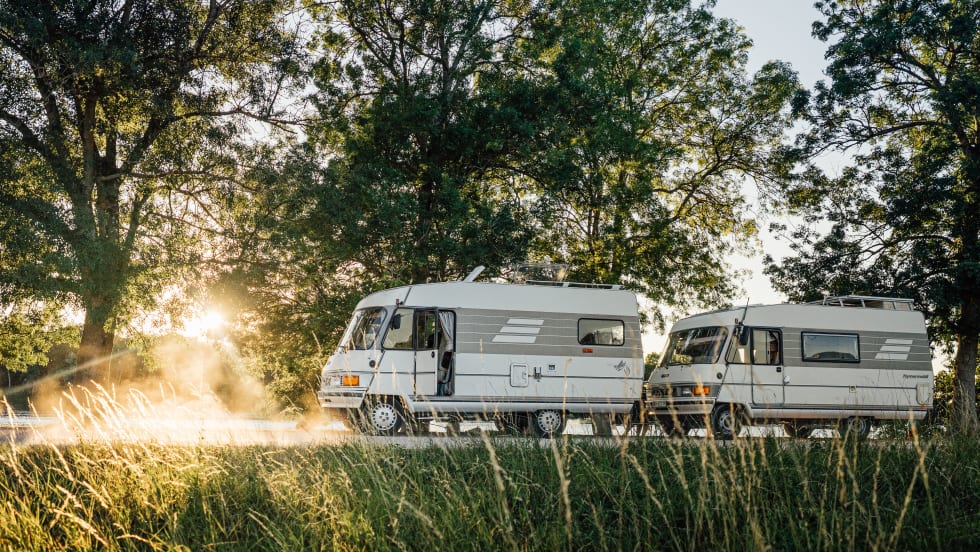
Top New Jersey RV Store Sells
Myer’s RV Superstore is expanding its footprint in the state with two new locations that it acquired from Ed Hutchinson Jr.
Read More →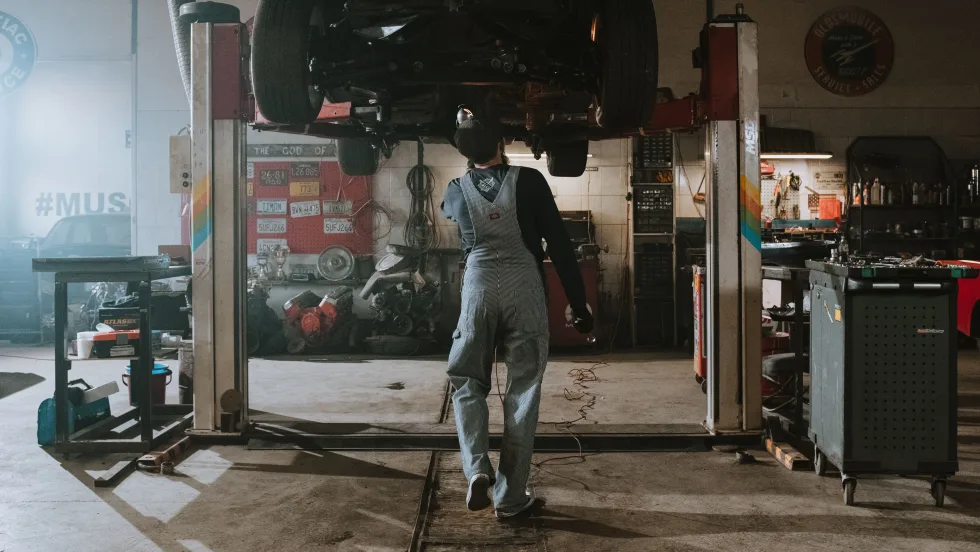
Alliance Analyzes Technician Pipeline
A new industry report examines the state of skilled trades in the U.S. and details the drivers of demand for automotive repair and how technicians enter and grow in the workforce.
Read More →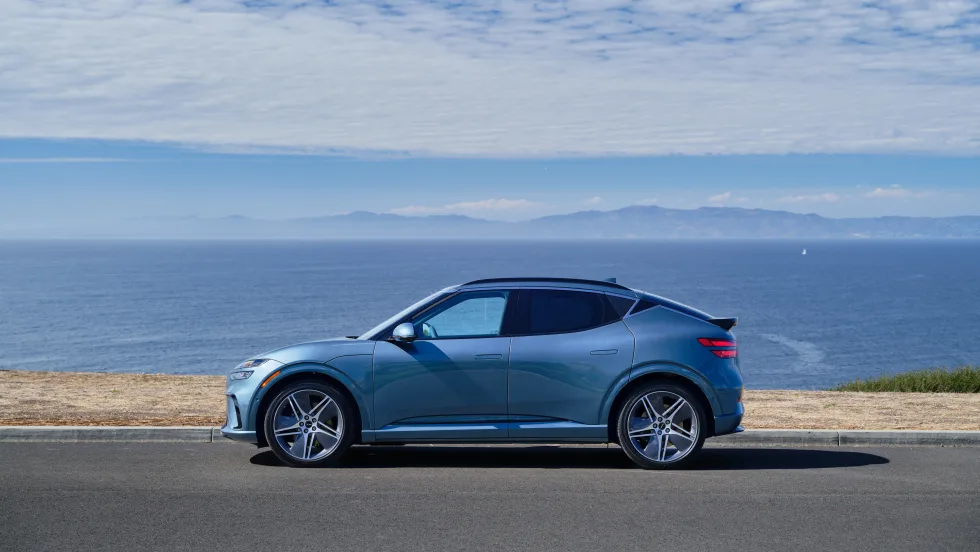
Luxury Rooftop Changes Hands
Genesis of Glenview is getting a new owner and a new location, but its name will stay the same.
Read More →
Future-Proof Your Business
A new industry outlook details several ways that automotive companies can use the rise in artificial intelligence and advanced technologies to their advantage.
Read More →
Dealership Buy-Sells Keep Going Up
First-half transactions reflect continued high appetite for acquisitions despite falling profits, the most sought-after franchises bringing record prices.
Read More →
California Makes Electric Moves
New laws in the Golden State aim to advance consumer access to public electric-vehicle chargers and reduce costs and barriers to its infrastructure.
Read More →
Rare Earths Independence
Automakers seek alternatives to sourcing battery raw materials in volatile markets roiled by trade wars and disrupted supply chains.
Read More →
Volvo Appoints President and CEO
Klaus Zellmer will replace Håkan Samuelsson as president and CEO of Volvo Cars in 2027 as the company makes strategic shifts toward profitability and cash generation.
Read More →
Fix Up Your Fixed Ops
The department may hold untapped potential for your dealership. There are ways to unearth it and turn it around for more profits.
Read More →