



Service Drive Satisfaction Steady
Strong results come despite some persistent weaknesses.

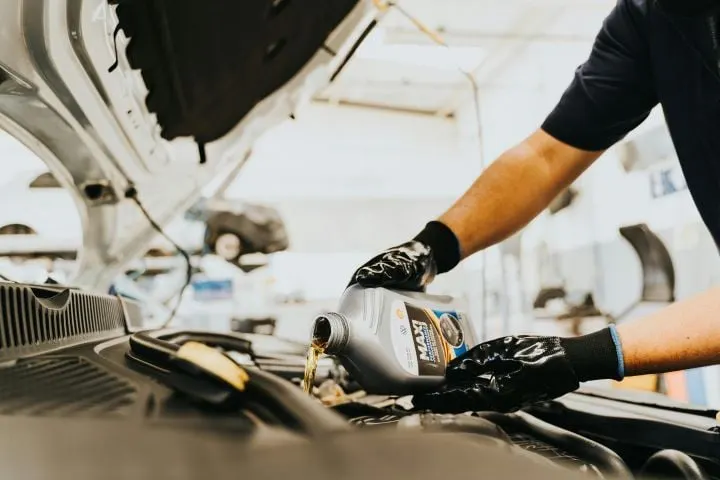
Customer satisfaction grows significantly when recall repair work is combined with regular maintenance to save them time.
Pexels/Daniel Andraski
Though service drive customers face longer waits for appointments, communication challenges, and repair errors, their satisfaction has stayed high for a second straight year.
J.D. Power’s 45th annual study is based on a survey of more than 55,000 owners and lessees of 1- to 3-year-old vehicles, along with, for the first time, dealership repair data. It gauges satisfaction with service at both franchised dealerships and after-market shops.
The latest study was conducted between July and December. It found that dealerships are still dogged by “capacity challenges,” as J.D. Power puts it. The average wait for service customers to get their cars worked on last year was longer than between 2018 and 2022 and just slightly better than the previous two years.
“While it’s no surprise that customers gravitate to operations that serve them well, the study clearly shows that good service leads to loyal customers,” said Director of Automotive Retail John Tenerovich in a press release on the study.
“This phenomenon proves true across all service types—oil changes, repair, tires and brakes. While complimentary maintenance programs drive strong retention, the level of intent to return for actual customer-paid service depends on the service experience delivered by the dealer.”
The study found that 12% of repairs are done incorrectly on the first visit and that only half of customers in those scenarios said they planned to return to that dealership.
Communication is another weak spot. The study found that though consumers value it, they’re greeted just half the time upon entering a service facility.
The research revealed other areas that service personnel could make gains. It found that customer satisfaction grows significantly when recall repair work is combined with regular maintenance to save them time.
Trust, being a key factor in service drive business, apparently varies among generations of consumers, the study found. It gradually decreases, reaching its lowest points among the youngest generations.
By brand, Porsche ranks highest among premiums at a score of 912, followed by Lexus at 900 and Cadillac at 888.
Subaru tops the mass-market segment with an 896 score, then Mini at 888 and Honda at 881.
More Industry
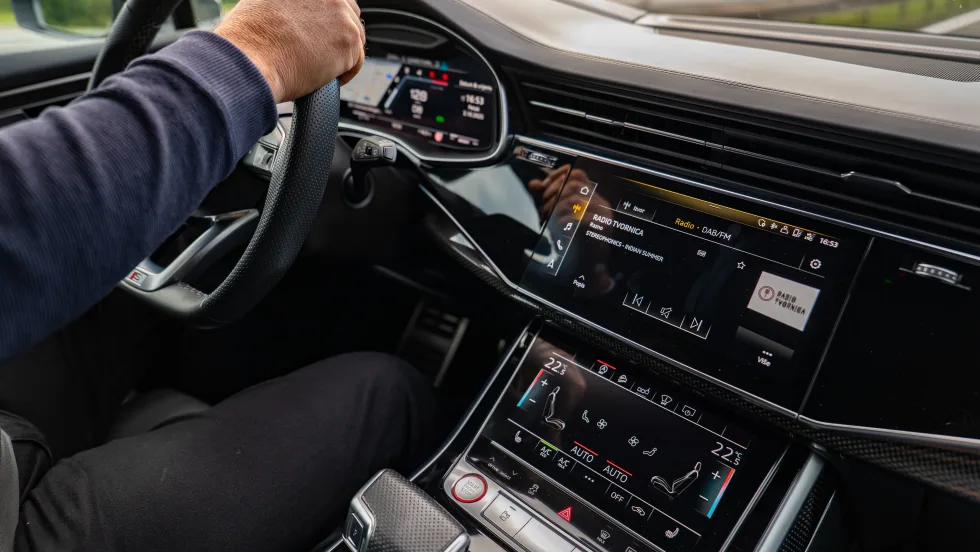
Connection Drives Consideration
Convenience and safety are top priorities for American drivers when it comes to connected vehicles and the services they expect with their next car.
Read More →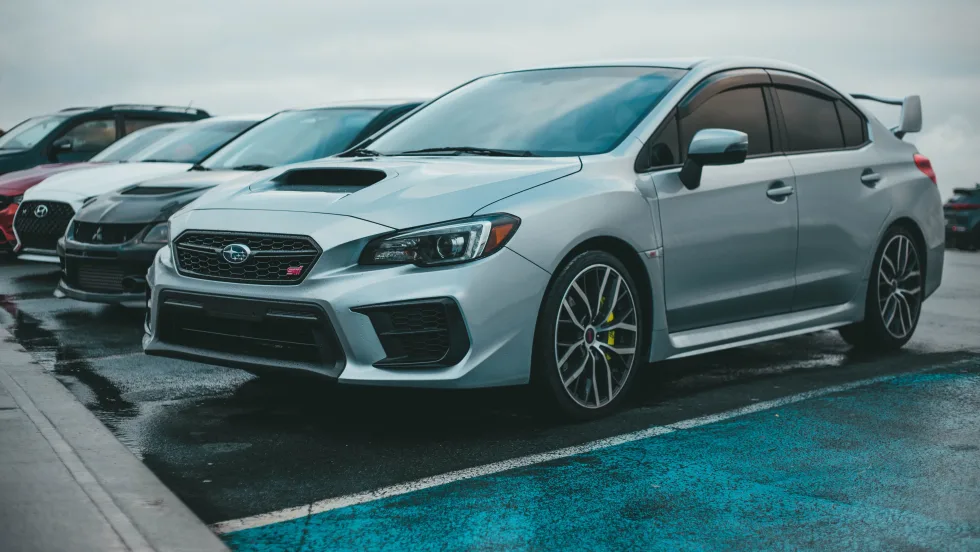
New-Vehicle Prices Stay Put
Affordability pressures and model availability shaped new-vehicle sales in September, according to an analysis by Kelley Blue Book.
Read More →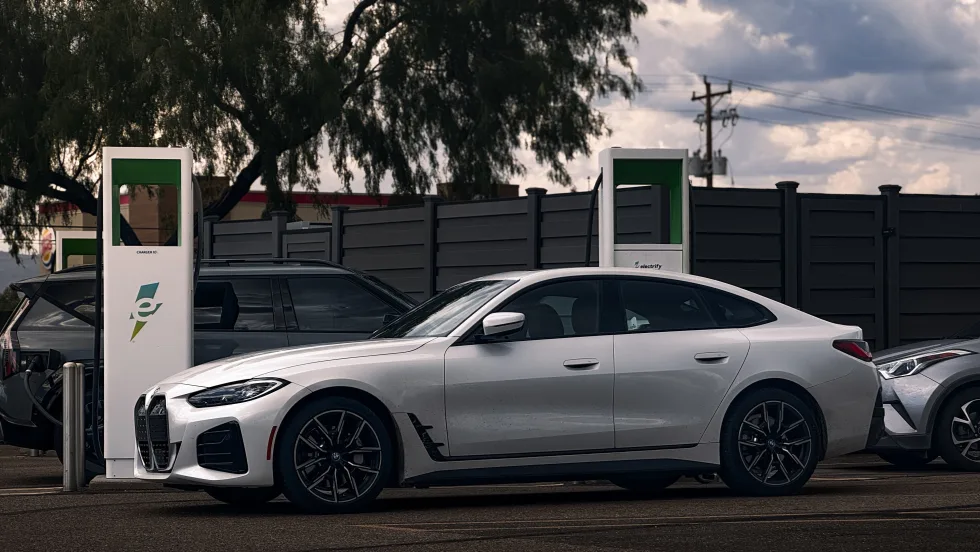
EV Buyer Consideration Shifts
What drives American consumers to purchase an electric vehicle is shifting as the question moves away from Should I?' to 'Which features and experience do I want to have?'
Read More →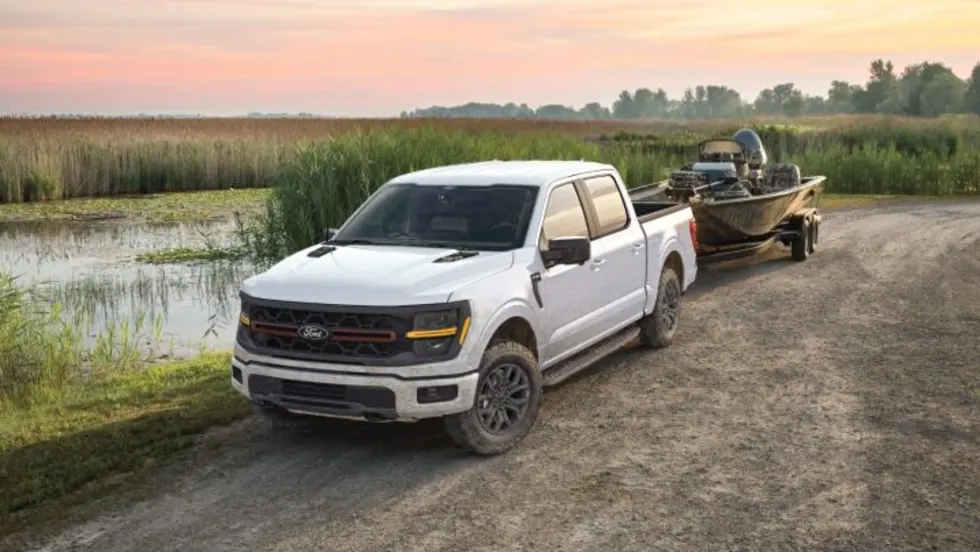
Auto Nameplate Loyalty Holds in Tough Times
Consumers have been faithful to brands despite financial pressures, and JD Power says that’s because automakers have made some wise moves.
Read More →
Top New Jersey RV Store Sells
Myer’s RV Superstore is expanding its footprint in the state with two new locations that it acquired from Ed Hutchinson Jr.
Read More →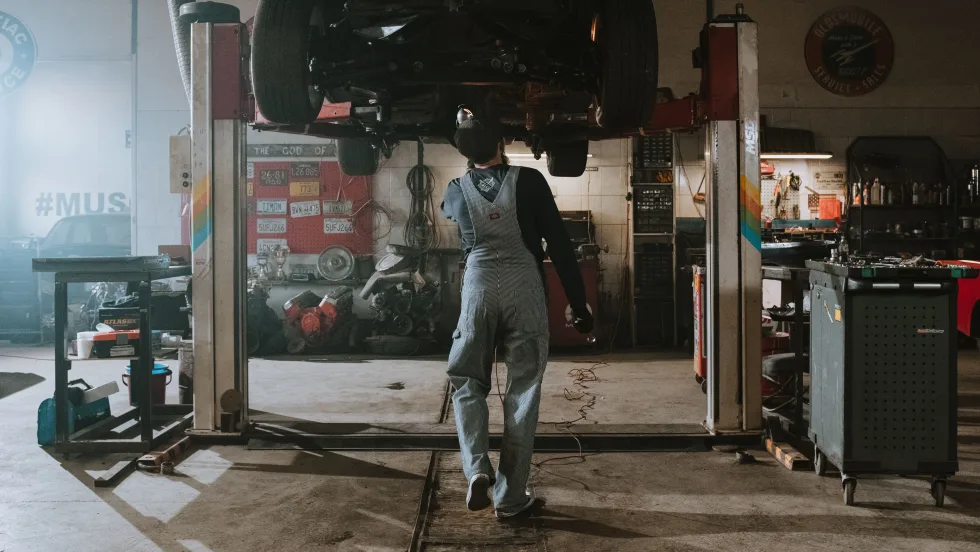
Alliance Analyzes Technician Pipeline
A new industry report examines the state of skilled trades in the U.S. and details the drivers of demand for automotive repair and how technicians enter and grow in the workforce.
Read More →
Luxury Rooftop Changes Hands
Genesis of Glenview is getting a new owner and a new location, but its name will stay the same.
Read More →
Future-Proof Your Business
A new industry outlook details several ways that automotive companies can use the rise in artificial intelligence and advanced technologies to their advantage.
Read More →
Dealership Buy-Sells Keep Going Up
First-half transactions reflect continued high appetite for acquisitions despite falling profits, the most sought-after franchises bringing record prices.
Read More →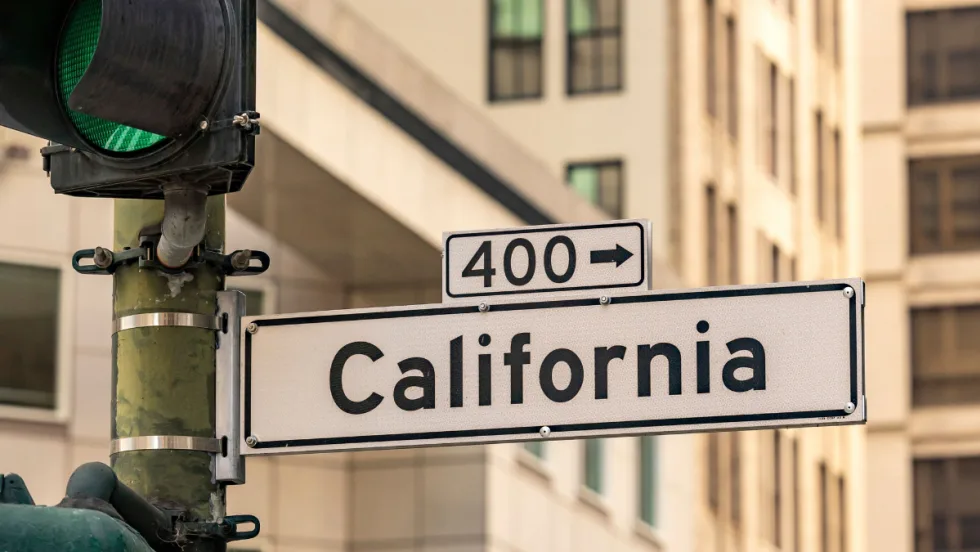
California Makes Electric Moves
New laws in the Golden State aim to advance consumer access to public electric-vehicle chargers and reduce costs and barriers to its infrastructure.
Read More →