



Auto Industry Reacts to Tariff
As the world absorbs separate reciprocal duties on imported goods, the sector starts adjusting to the 25% tariff on vehicles, awaits parts equivalent.

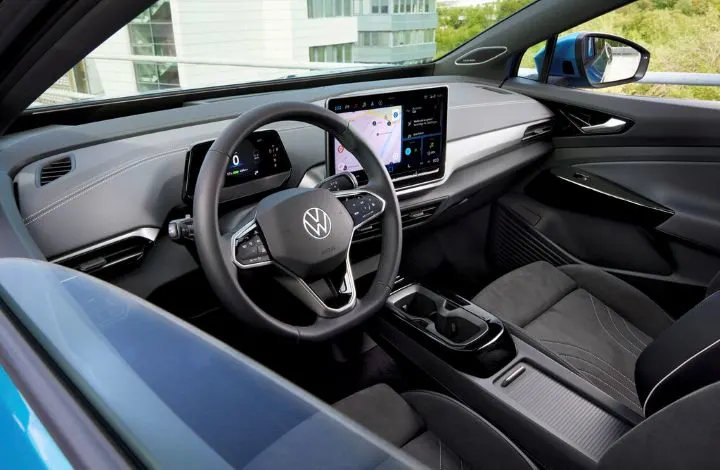
Volkswagen is among automakers that stand to be impacted the most by the auto tariffs because it imports about 80% of its U.S.-sold vehicles.
Volkswagen
Twenty-five percent U.S. tariffs on vehicle imports took effect Thursday as the world reeled from separate reciprocal tariffs on imported goods.
Though the sweeping reciprocal tariffs won’t be stacked on top of the vehicle duties, the latter will be added to tariffs on steel and aluminum imports, as well as 25% tariffs on certain auto parts set to take effect on May 3.
Industry analysts have said they expect the tariffs to result in at least a 10% increase on already high new- and used-vehicle prices. Though many vehicles sold in the U.S. are assembled here, they’re made with parts from around the world.
Both U.S.-based and overseas automakers reacted to the vehicle tariffs in various ways.
Ford extended employee vehicle discounts to the public – “You pay what we pay,” it says on its website.
Jeep maker Stellantis said it will temporarily shut down a plant each in Canada and Mexico and lay off 900 U.S. workers as it metabolizes the tariffs and decides how to move forward.
Germany-based automaker Volkswagen, along with German cohort Mercedes, plus Volvo, Mazda and Hyundai, is among automakers most exposed to the new tariff. It imports about 80% of its U.S. sales units, according to S&P Global Mobility.
The German Association of the Automobile Industry, issuing a statement calling for European unity along with openness to negotiation, said the auto tariffs “mark a fundamental turning point in trade policy.”
“It represents the US's departure from the rules-based global trading order - and thus a departure from the foundation for global value creation and corresponding growth and prosperity in many regions of the world,” the trade group said. “This is not America first; this is America alone.”
LEARN MORE: OEM Group Protests Auto Tariffs
More Industry
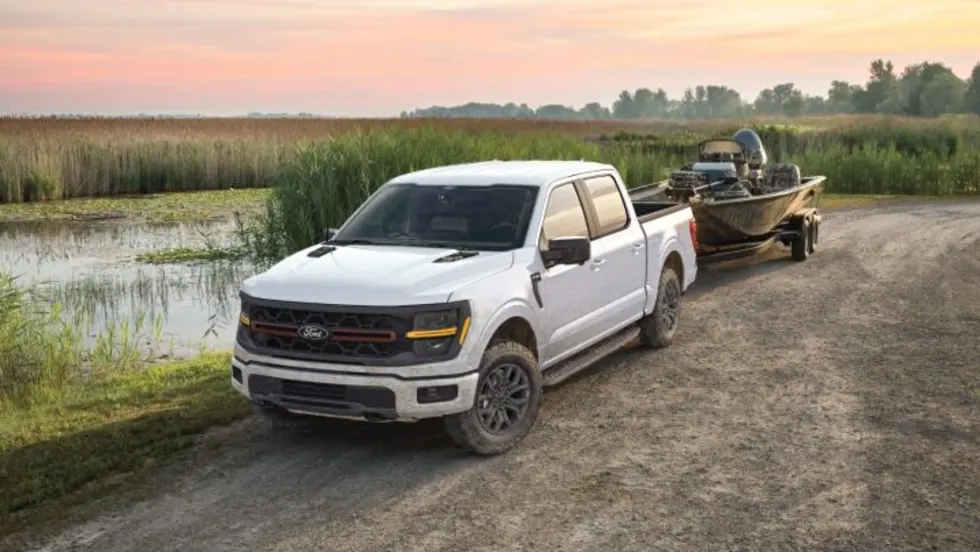
Auto Nameplate Loyalty Holds in Tough Times
Consumers have been faithful to brands despite financial pressures, and JD Power says that’s because automakers have made some wise moves.
Read More →
Top New Jersey RV Store Sells
Myer’s RV Superstore is expanding its footprint in the state with two new locations that it acquired from Ed Hutchinson Jr.
Read More →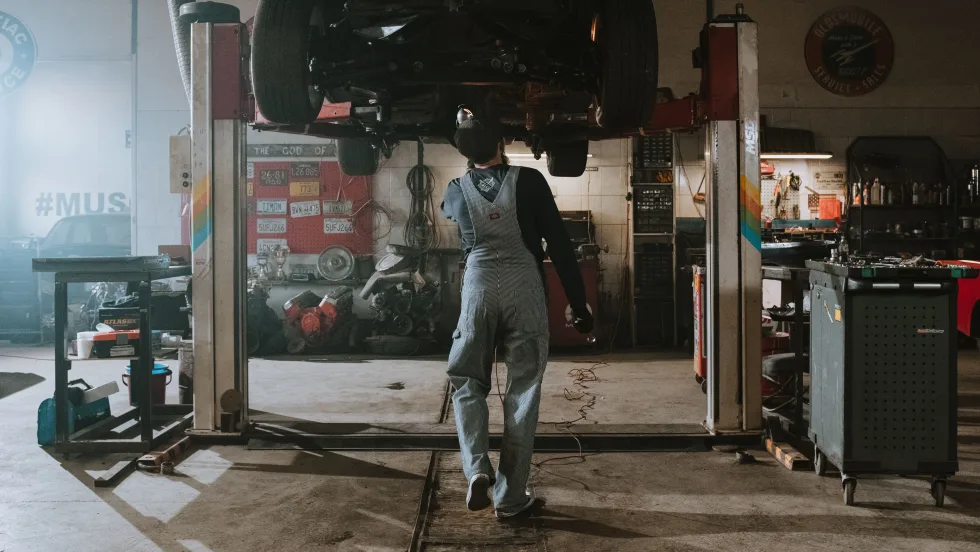
Alliance Analyzes Technician Pipeline
A new industry report examines the state of skilled trades in the U.S. and details the drivers of demand for automotive repair and how technicians enter and grow in the workforce.
Read More →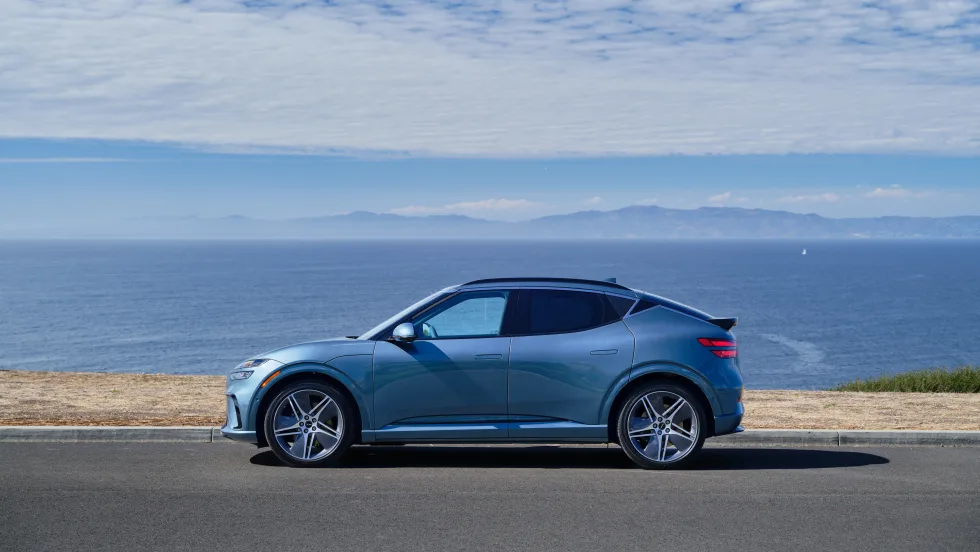
Luxury Rooftop Changes Hands
Genesis of Glenview is getting a new owner and a new location, but its name will stay the same.
Read More →
Future-Proof Your Business
A new industry outlook details several ways that automotive companies can use the rise in artificial intelligence and advanced technologies to their advantage.
Read More →
Dealership Buy-Sells Keep Going Up
First-half transactions reflect continued high appetite for acquisitions despite falling profits, the most sought-after franchises bringing record prices.
Read More →
California Makes Electric Moves
New laws in the Golden State aim to advance consumer access to public electric-vehicle chargers and reduce costs and barriers to its infrastructure.
Read More →
Rare Earths Independence
Automakers seek alternatives to sourcing battery raw materials in volatile markets roiled by trade wars and disrupted supply chains.
Read More →
Volvo Appoints President and CEO
Klaus Zellmer will replace Håkan Samuelsson as president and CEO of Volvo Cars in 2027 as the company makes strategic shifts toward profitability and cash generation.
Read More →
Fix Up Your Fixed Ops
The department may hold untapped potential for your dealership. This issue of the magazine shares ways to unearth it and turn it around for more profits.
Read More →