



Gas Drivers Least Likely to Shop Electric
Non-EV drivers show a decreased interest in future EV buying, according to CDK.

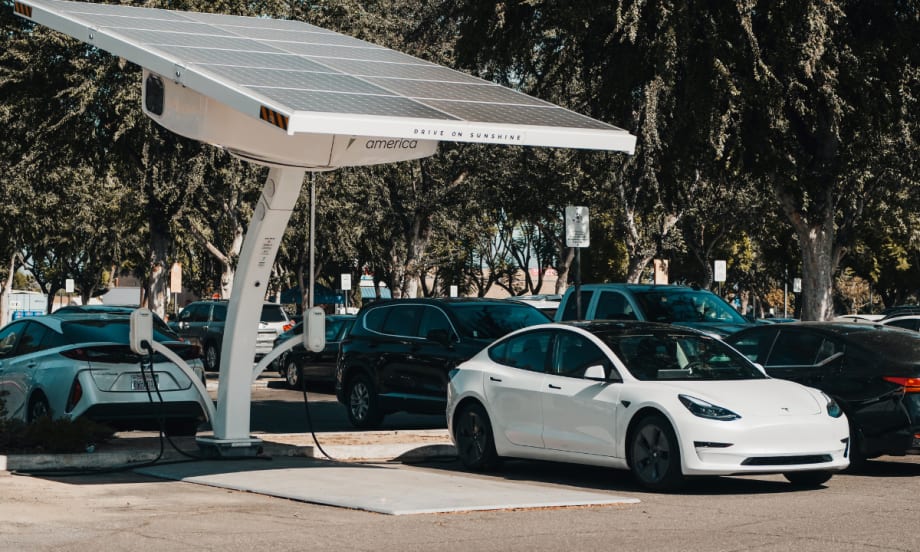
Eighty-eight percent of EV shoppers said their decision to purchase is influenced by their family and friends.
Canva
New research shows that interest in electric-vehicle purchases has waned. The "Car Shopper Shifts on EVs" study by CDK reveals changed consumer sentiment on the EV market, including that of gas, hybrid and plug-in hybrid drivers. The findings come after the end of the federal EV tax credit on Oct. 1.
CDK's study found in part that gas shoppers are the least likely to purchase an EV in the future and that EV shoppers are loyal to electrification and likely to repurchase.
Consumer interest in EVs is down across the board for non-EV drivers in 2025, according to the study. Gas drivers reported the lowest likelihood to purchase an EV in the future at just 11%, down sharply from 31% in 2024. Hybrid drivers reported a 35% interest, down from 54%. Plug-in hybrid drivers reported the highest interest level at 54%, down only 4%.
The study said that one major concern after the end of the tax credit is a drop in leasing. With the old incentive, leasing was attractive to nearly all EV drivers. When asked if future federal breaks would affect their leasing decisions, 77% of shoppers said that they would consider leasing an EV if they got that kind of incentive.
Other reasons car shoppers are hesitant to enter the EV road include consumers who say EVs don’t “suit their lifestyle.” As has been the case for years, a large part of the aversion results from “range anxiety.” Nearly a third of gas shoppers reported wanting a minimum EV range of 450-plus miles, a stark contrast to the 6% of EV shoppers who reported looking for 450-plus miles of range.
Other issues include a distrust in EV technology and anxiety around charging locations, cost and time commitment.
The good news for auto retailers is the study's finding that dealerships are still at the forefront of EV sales. Only 13% of EV shoppers reported planning to buy entirely online, and 38% said they would complete the entire transaction at the dealership. The highest rate of shoppers, 49%, said they would use a combination of online and dealership shopping.
More Industry
Auto Nameplate Loyalty Holds in Tough Times
Consumers have been faithful to brands despite financial pressures, and JD Power says that’s because automakers have made some wise moves.
Read More →
Top New Jersey RV Store Sells
Myer’s RV Superstore is expanding its footprint in the state with two new locations that it acquired from Ed Hutchinson Jr.
Read More →
Alliance Analyzes Technician Pipeline
A new industry report examines the state of skilled trades in the U.S. and details the drivers of demand for automotive repair and how technicians enter and grow in the workforce.
Read More →
Luxury Rooftop Changes Hands
Genesis of Glenview is getting a new owner and a new location, but its name will stay the same.
Read More →
Future-Proof Your Business
A new industry outlook details several ways that automotive companies can use the rise in artificial intelligence and advanced technologies to their advantage.
Read More →
Dealership Buy-Sells Keep Going Up
First-half transactions reflect continued high appetite for acquisitions despite falling profits, the most sought-after franchises bringing record prices.
Read More →
California Makes Electric Moves
New laws in the Golden State aim to advance consumer access to public electric-vehicle chargers and reduce costs and barriers to its infrastructure.
Read More →
Rare Earths Independence
Automakers seek alternatives to sourcing battery raw materials in volatile markets roiled by trade wars and disrupted supply chains.
Read More →
Volvo Appoints President and CEO
Klaus Zellmer will replace Håkan Samuelsson as president and CEO of Volvo Cars in 2027 as the company makes strategic shifts toward profitability and cash generation.
Read More →
Fix Up Your Fixed Ops
The department may hold untapped potential for your dealership. There are ways to unearth it and turn it around for more profits.
Read More →