



Beyond the Cookie: 4 Ways to Deliver Personalized Experiences
When did personalization get so personal? Expert offers four ways to connect with car buyers without creeping them out or running afoul of new privacy laws.
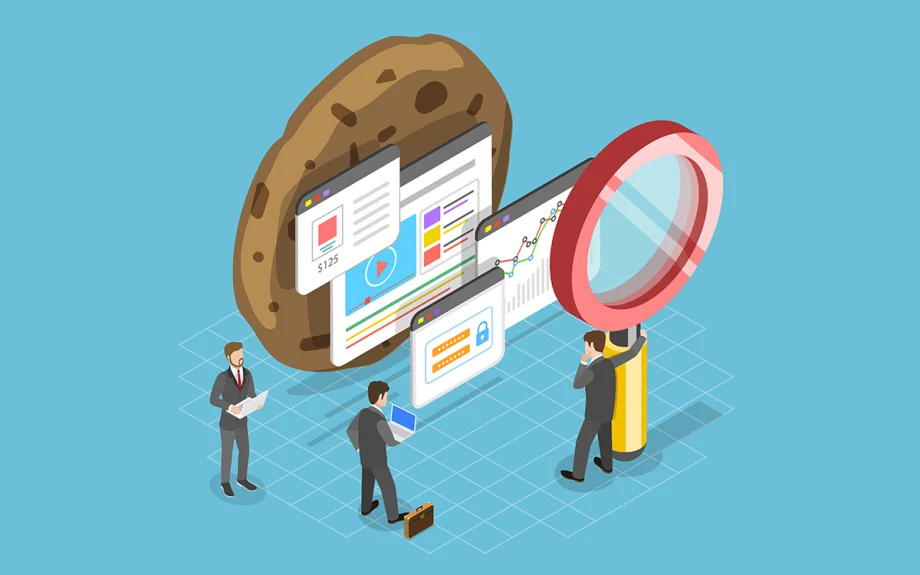
New expectations on the part of consumers — and regulators — means dealers and other online marketers must move beyond the cookie to capture in-market shoppers.
Illustration by TarikVision via Getty Images
We’ve all been there: You mention something in conversation on Facebook and, moments later, you see an ad for it on your newsfeed.
With the rise of voice assistants and user data tracking, a personalized online experience can quickly deteriorate from convenient to downright creepy.
While it may feel like an invasion of privacy to some, it’s no secret that consumers have an appetite for highly personalized ecommerce experiences. And because buying a new vehicle is one of the largest purchase decisions people make in their lifetime, car shopping certainly is no exception.
As a dealer, how do you walk the fine line to stay on the side of compliance (and avoid falling into the creepy category) while also delivering convenient and authentic online shopping experiences?
When implementing a data-driven approach to selling vehicles, dealers need to carefully balance compiling useful information with remaining compliant with new consumer privacy protection laws.
Read: Opinion: Stop Chasing the Next Best Thing
1. Cookies Become Less Edible for Dealers.
For 25 years, advertisers have dropped cookies into users’ browsers to track websites visited. A lot has changed recently.
Adtech players have determined ways to use first-party cookies to essentially stalk users, and third-party cookies increasingly are being blocked by new browser technology. Shoppers are demanding more privacy, and compliance laws and businesses are following suit.
Consumer protection data laws require businesses that collect, maintain, or sell personal information to notify consumers and provide options for disclosures and opt-outs.
We are also seeing many major tech players take drastic steps toward rendering third-party cookies obsolete. Apple is leading these efforts by expanding the power of its Intelligent Tracking Prevention technology within Safari, and Google is making its own changes to Chrome.
As more technology aims to protect consumer privacy, dealers must find new compliant ways to track consumer data and provide a personalized experience.
2. Create Consumer Profile Insights.
To ride this new wave, dealers must shift gears away from just tracking cookies on in-market shoppers and learn to source consumer data in other ways. Working with trusted vendors, dealers should move their strategy toward creating consumer profiles that map identifiable data back to a single person.
For example, my wife is pregnant with our second child and recently valued a trade-in on a third-party website. She then searched for used Subaru models within a 100-mile radius of our home. Vendors must connect tags and cookies from this search back to my wife’s username to build her consumer profile insights.
When dealers understand real-life situations and related customer needs, they arm themselves with more information to accurately target ads and tailor the website experience to each consumer.
Dealers need to figure out what drives quality visits and how to best convert those leads into customers.
3. Implement a Compliant New Data-Driven Strategy.
A dealer today most likely is not building out consumer profile insights and tracking data alone. In order to shift digital strategy gears and ensure ongoing compliance, they need to analyze and then activate their data.
With the help of trusted third parties, dealers can analyze their data and effectively implement a digital strategy that best reaches their target audience. Approximately 30% to 40% of all traffic to dealer websites is not “quality,” meaning the car shopper does not stay for more than three seconds, view inventory, demonstrate engagement, or send out buying signals.
In the showroom, dealers can immediately identify in-market shoppers based on body language and engagement with a vehicle. Identifying the same quality online isn’t so obvious without the right tools. Dealers need to figure out what drives quality visits and how to best convert those leads into customers.
Once data is analyzed, it can be activated. Dealers have been compiling tons of names in their CRM systems for years, so now they must take the analyzed data and apply it to in-market shoppers. The key is working with trusted vendors who will help create a whole consumer profile that identifies whether someone is in-market, actively browsing or ready to buy.
Once dealers arm themselves with this information, they can begin personalizing the customer experience according to tangible data.
4. Find a Balance in Creating Authentic, Personalized Experiences.
Every consumer has different expectations, so dealers need to know their audience and personalize each experience accordingly. For example, millennials likely will welcome ads that are targeted and relevant, but an older audience may be put off and hesitant to continue forward if they feel their privacy has been invaded.
As such, dealers need to partner with trusted vendors who can go beyond tracking cookies to help them achieve their goals. The right partner can make the task of evolving a dealership’s digital strategy much easier. Take the time to understand vendor offerings and capabilities, and explore up-to-date, compliant best practices for turning leads into customers.
Kevin LeSage is director of digital marketing for Autotrader.
More Digital

AI: Facilitator, Not Fixer, in F&I
The dealerships that thrive in the years ahead will be those that embrace technology while continuing to invest in the people who make customer interactions count.
Read More →
Simple But Effective Hacking Surges
Data from the past year at U.S. auto dealerships finds that email and identity phishing are growing threat sources that can dispense with malware by exploiting trust.
Read More →
The Future of Car Dealerships
Artificial intelligence is reshaping the service-drive experience and will help retailers stay competitive.
Read More →
Structure Leads to Optimized Auto Listings
As the average car-buying journey has shifted to a blend of digital and retail, a dealership’s vehicle listings must be optimized to answer shoppers’ questions clearly and accurately.
Read More →
Real Intelligence
AI, though it presents many opportunities for productivity, efficiency and more, isn’t a one-for-one stand-in for people. It can augment human capital but not replace it altogether.
Read More →
Zurich Launches Advisor IQ for F&I Manager Coaching
The new platform uses real transaction data and artificial intelligence-driven insights to help car dealerships improve consistency and performance.
Read More →
F&I in the Digital Age
Digital retailing has not made the F&I manager obsolete. If anything, it has revealed how valuable the role can become when technology is used correctly.
Read More →
Need for Speed: EV Apps Lack Consistency
Fifty-five percent of surveyed EV owners said their mobile applications had a major or moderate impact on their purchasing decisions, but connectivity issues remain a problem.
Read More →
Four Keys to Your Digital Trail Defense
Federal regulators are cracking down on hidden fees. This protective measure could mean the difference between winning and losing a lawsuit or surviving a duel with the Dark Side.
Read More →
Hyundai Hosts Tech Talent Forum
Technology leaders from Hyundai Motor Group will have open discussions at the inaugural HMG Tech Talent Forum on topics ranging from autonomous driving to 'smart' manufacturing.
Read More →