



How Dealers Can Successfully Tap into Election Cycle Digital Advertising
Dealers can leverage these tips to maximize their advertising investment to connect, engage, and transact with car shoppers so they can make the most of their 2020 sales goals through the end of the year.
Dealers can leverage these tips to maximize their advertising investment to connect, engage, and transact with car shoppers so they can make the most of their 2020 sales goals through the end of the year.
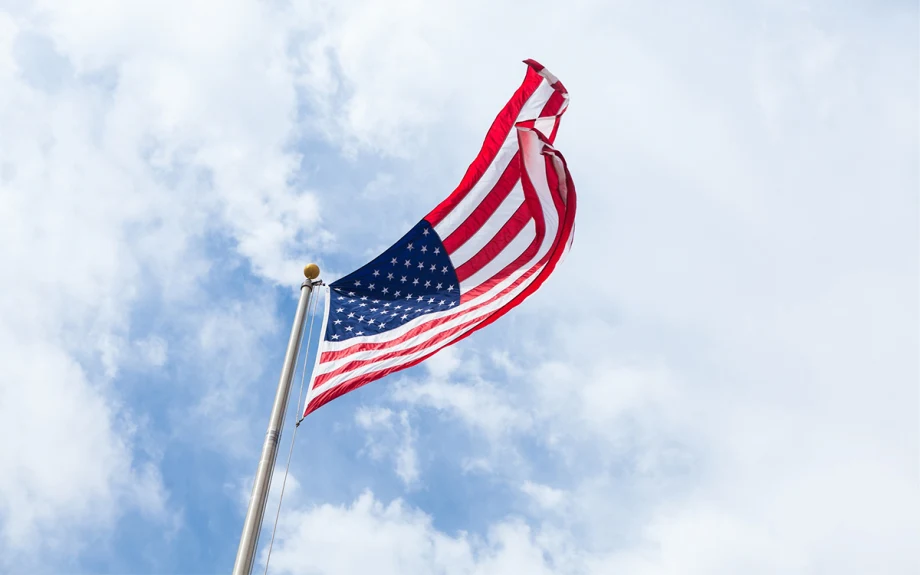
IMAGE: Free-Photos via Pixabay
An estimated $400 million1 worth of presidential campaign advertising, and possibly more, is likely to hit Americans’ television programming over the next few weeks as the race for the Presidential election heats up. These numbers, reported recently in The Wall Street Journal, show just how important advertising has become today to persuade millions of voters.
Advertising has become as much a part of the election season as its impact usually is on the Super Bowl. Early forecasts showed political ad spending will total $9.9 billion in total during 2020, according to an advertising forecast2 from WPP PLC’s ad-buying unit GroupM also published in The Wall Street Journal.
The benefit of tapping into election cycle advertising cycles.
Auto dealers recognize that many viewers, who are also potential car-shoppers, are tuned into their televisions and realize this to be an opportune time to capture mindshare, especially in a year that has seen millions of car sales washed away by the COVID-19 pandemic.
However, dealers also realize the cost to advertise also increases around each November election, but it’s not always because of the election that these costs tend to increase.
With each major election taking place in November, dealers are also up against a flurry of retailers who are also tapping into holiday and end-of-year sales promotions. This push often results in higher prices for advertising not only on television, but also online and for social marketing as well.
Social Marketing costs are also expected to rise.
In fact, according to a report by Kantar Media, the current president and many others on the ballot have been active themselves advertising on Facebook, with approximately $37.6 million3 already spent on social media marketing during the first six months of 2019, versus $2.2 million spent on television ads. This emphasis on social and digital advertising is expected to continue through this November.
An analysis by PureCars found that during the 2016 November election, digital ad clicks (CPC) rose as much as 29%-64% in the second half of the year.
Tips to help dealers successfully advertise during election seasons.
How can dealers successfully tap into the election cycle? For starters they should be especially focused on local keywords in all their digital advertising to optimize their efforts and see the largest possible return on their investment. They should also work closely with their account representatives and be wary of having their ads placed near or in affiliation with false, misleading or abusive political advertising. “Political fatigue” is certainly a thing at this time of year, and many consumers may actually seek out non-political content online or in their favorite social platform.
Dealers should also consider video to reach consumers at this time of year. Many consumers online and using social channels connect well with video content, and in a year when empathy has been a primary message, video has helped dealers connect with potential car shoppers on a more emotional level. This will remain through the end of the year as the pandemic continues to impact the broader economy.
While the cost of digital advertising is expected to rise in the coming months, dealers can leverage these tips to maximize their advertising investment to connect, engage, and transact with car shoppers so they can make the most of their 2020 sales goals through the end of the year.
Jeremy Anspach is the CEO of PureCars, a leading automotive dealer advertising and attribution technology provider.
Originally posted on Auto Dealer Today
More Showroom
California Sees Quarterly Gains
California’s new-vehicle market saw a boost in hybrids in the third quarter and its first overall quarterly market gain of the year.
Read More →
New-Vehicle Prices Stay Put
Affordability pressures and model availability shaped new-vehicle sales in September, according to an analysis by Kelley Blue Book.
Read More →
EV Buyer Consideration Shifts
What drives American consumers to purchase an electric vehicle is shifting as the question moves away from Should I?' to 'Which features and experience do I want to have?'
Read More →
Year-to-Date Auto Sales Holding Their Own
A forecast through August shows that automakers have shifted strategies to keep deliveries and revenues up despite tariffs and other economic challenges.
Read More →
Slow to Robo
Ten years of polling consumers shows autonomous vehicles’ profiles have risen considerably, but even more people now want at least some level of control if they go that route.
Read More →
Dealers a Little Down
A third-quarter Cox Automotive survey finds them in a mixed mood, bummed by fallen customer traffic but encouraged by better profits, costs and EV interest.
Read More →
European EV Sales Skyrocket
The EV market on the continent held strong in July with almost 25% of new-car sales being fully electric units, a stark contrast to the U.S., where EV sales declined about 42%.
Read More →
Mitsubishi Unveils U.S. Plan
The automaker announced a strategy that includes an expanded lineup and dealership presence, along with more ‘rugged’ and electric models.
Read More →
Used Lots Getting the Business
Many consumers are seeking out the units to save money, and the demand – higher in July than normal – is keeping supply limited and prices up.
Read More →
Used Market Stabilizes
The Carfax Used Car Index noted a major drop in used-vehicle price increases in July after several months of hikes.
Read More →