



The Trade-In Paradox
Retailing older cars with confidence in today’s market is a matter of establishing and following a clear process that can turn greater profit for auto dealers as they aim to meet used-unit hunger.
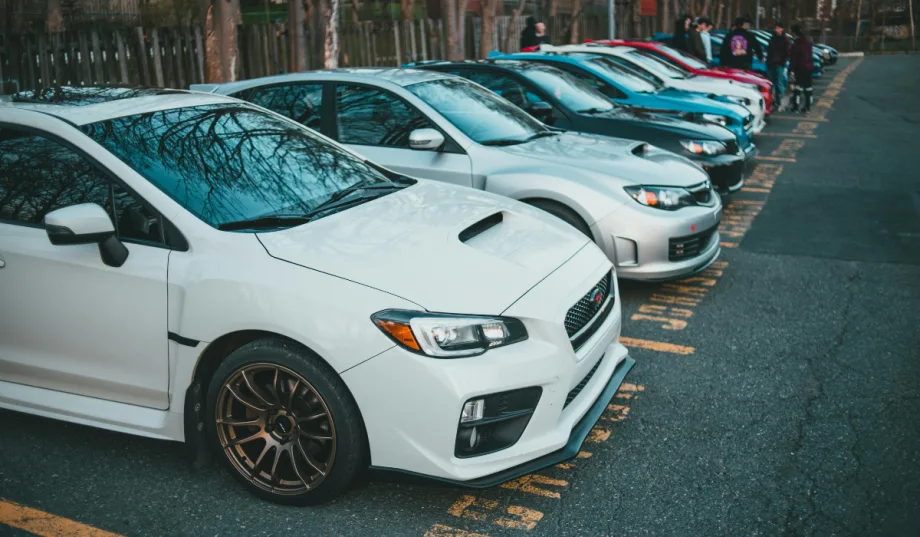
Many buyers are open to higher-mileage options when the vehicle has been inspected, cleaned and supported by real protection.
Pexels/Erik McIean
Older trade-ins used to be the easy decisions. For years, anything over a certain age or mileage went straight to auction, no questions asked. Now, those same units are among the most important calls a dealership makes.
The market has shifted. Affordability is driving new behavior, and older cars suddenly hold real retail potential when the right structure is in place to support them.
What used to be a quick decision now requires real evaluation. Buyers are looking for value, and many of these vehicles can deliver it when backed by a clear process. The key is sorting out what belongs on the line and what should still be let go, then retailing the good fits without disrupting margin or service flow.
The shift is happening across the industry. Stores that once sent nearly every high-mileage unit to wholesale are now retailing a sizable portion of them, and many are doing it profitably. The difference comes down to structure. Retailing this segment without a clear plan is gambling. Retailing it with a defined process turns it into a reliable profit center.
Old Mindset Doesn’t Work
Dealers used to avoid this segment because the risks felt too high: uncertainty around reconditioning, the chance of problems after delivery, slower turn times, and the fear of putting something on the front line that might not hold up. That thinking made sense when newer, low-mileage used cars were easy to find, but those days are gone.
Today’s customers are value-driven. Many buyers are open to higher-mileage options when the vehicle has been inspected, cleaned and supported by real protection. The demand is clear. The question is whether the store has the structure to deliver confidence for both the customer and the management team.
Control With Certification Programs
One of the biggest changes with older trade-ins is the rise in dealer-centered certification programs. Unlike OEM certified preowned, these structured programs give the store full ownership of the process. They allow stores to:
- Certify older cars that the OEM would reject
- Offer real protection that builds buyer confidence
- Maintain direct oversight of reconditioning standards
- Retain back-end profit and reinsurance instead of handing it away
- Turn “auction cars” into retail cars with real margin
Here is how Terrance Cooper, sales manager at Audi Modesto in Modesto, Calif., describes how the approach is working in practice.
“Deciding whether to keep an older trade is never easy, but every unit goes through the shop and is fully inspected,” he said. “If the structure is solid, the reconditioning makes sense, and it is presentable, we retail it. If not, we wholesale it.
“Dealer-created CPO programs give customers peace of mind and bring them back to the service drive while giving us confidence because we know exactly what has been done to the vehicle. They still have value, and there are buyers who want them.”
Auction cars are harder to source and more unpredictable, Cooper pointed out. He has seen reconditioned older and higher-mileage units handled in a structured certification program end up being among the fastest-selling and most profitable vehicles at the dealership.
Retail, Wholesale Calls With Confidence
Most managers narrow the decision to a few key points. It is a simple way to keep the process grounded in facts, not feelings, and to make sure each unit is judged the same way, no matter who is appraising it.
- Acquisition cost versus reconditioning: Does the combined cost keep the unit in a profitable position?
- Turn time: Can it be brought to the front line quickly?
- F&I opportunity: Does the unit create room to build value?
- Market demand: Does this age and mileage segment do well in the store’s area?
With the right structure in place, many of these vehicles pencil out better as retail than wholesale. Discipline still matters, though. Not every trade is a retail candidate. The stores that succeed in this space set clear thresholds and stick to them.
What Prevents Older Units from Becoming Liabilities
Time is the biggest risk factor in this category, so every step needs to be made with purpose. The stores that excel here rely on fast reconditioning lanes supported by defined caps, use digital appraisal tools to shorten decision times, and move certification and inspections quickly. They also have protection menus ready from day one, making sure nothing delays the unit’s path to the front line.
For older trades, the optimal window from acquisition to frontline-ready is three to five days, seven days being the outer edge. After that point, margin pressure begins to build from market movement and holding costs.
By 10 to 14 days, the initial profit expectations start to shrink. That is when an aged unit shifts from asset to liability. Clear timelines and defined structure are what keep the vehicle retail-ready instead of becoming a margin drain.
How Stores Navigate the Paradox
Market data and pricing tools support the process, but they are not what make older units retail-ready. These vehicles succeed on the front line when the used-car manager defines the standards, the service manager owns reconditioning timelines, and the finance-and-insurance manager creates confidence through solid protection options.
The paradox is simple. This segment carries both risk and opportunity, and structure is what decides the outcome.
Customer Confidence Is the Real Key
Today’s buyers want value they can trust, and transparency is what delivers it. Showing the inspection, explaining what was done during reconditioning, and presenting meaningful protection options signal that the store stands behind the vehicle. That confidence is what moves the car, not just the price.
Dealers who lean into this are turning units they would have wholesaled five years ago into fast-turning, margin-holding retail wins.
Retailing older inventory is not about taking chances. It is about building a structure that evaluates each unit with clarity and brings it to the line with confidence. The opportunity is real. When stores stay disciplined and run the process the right way, the paradox turns into profit.
Louis Stoecklin is an area manager with PRO Consulting with over three decades of dealership and agency experience.
EDITOR’S NOTE: This article was authored and edited according to F&I and Showroom editorial standards and style. Opinions expressed may not reflect that of the publication.
More Showroom

Year-to-Date Auto Sales Holding Their Own
A forecast through August shows that automakers have shifted strategies to keep deliveries and revenues up despite tariffs and other economic challenges.
Read More →
Slow to Robo
Ten years of polling consumers shows autonomous vehicles’ profiles have risen considerably, but even more people now want at least some level of control if they go that route.
Read More →
Dealers a Little Down
A third-quarter Cox Automotive survey finds them in a mixed mood, bummed by fallen customer traffic but encouraged by better profits, costs and EV interest.
Read More →
European EV Sales Skyrocket
The EV market on the continent held strong in July with almost 25% of new-car sales being fully electric units, a stark contrast to the U.S., where EV sales declined about 42%.
Read More →
Mitsubishi Unveils U.S. Plan
The automaker announced a strategy that includes an expanded lineup and dealership presence, along with more ‘rugged’ and electric models.
Read More →
Used Lots Getting the Business
Many consumers are seeking out the units to save money, and the demand – higher in July than normal – is keeping supply limited and prices up.
Read More →
Used Market Stabilizes
The Carfax Used Car Index noted a major drop in used-vehicle price increases in July after several months of hikes.
Read More →
California Hybrids Reach State Record
The Golden State still leads the country in electric-vehicle registrations, but much like the rest of the U.S. its hybrid market share is up while full electrics stabilize after a dramatic first-quarter dip.
Read More →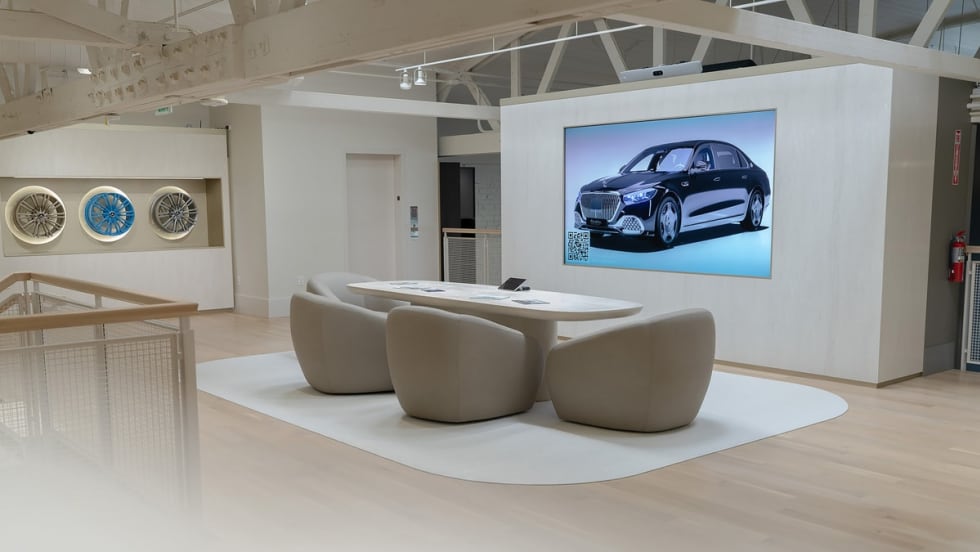
My Mercedes in the U.S.
The German brand debuted its studio dealership concept for the first time in the states in Los Angeles, tapping Americans’ penchant for creative distinctions.
Read More →
Used Sales Hit Summer Drag
The vacation season, combined with high prices, has dented deliveries and added to inventories, though supply is still slim enough to keep listings elevated.
Read More →