



Focus on Vehicle Cabins
The market for interior materials will grow in coming years as automakers look to meet consumer demand while staying competitive with changeups to sourcing and included features.

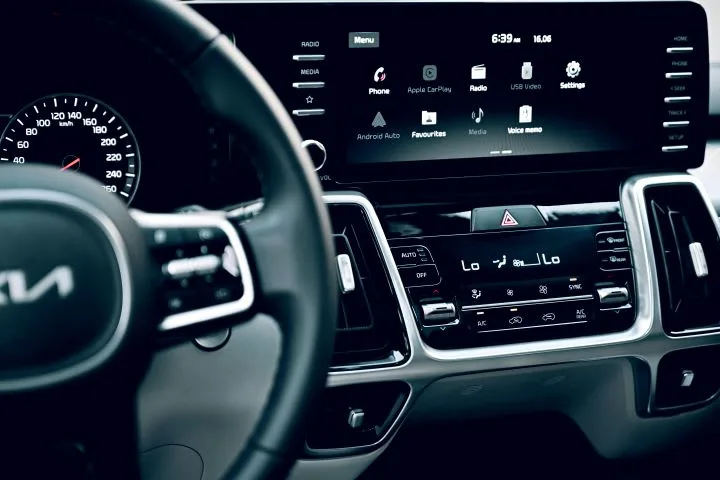
Some brands are also working to improve cabin air quality, including Kia and Hyundai, which have developed an interior sanitizer.
Pexels/Jeffrey Paa Kwesi Opare
The world’s automotive interior materials market is poised for significant growth over the next decade, due in part to consumer demand for luxury experiences and automakers’ need to set themselves apart from rivals.
London-based market analytics and consulting provider Persistence Market Research projects the niche market to grow 26% to more than $82 billion by 2033, or about a 4% compound annual growth rate.
In addition to consumer desire for premium interiors, automakers are also using more sustainable upholstery and other materials as they try to distinguish their brands, including for the electric-vehicle market, Persistence reported.
More automakers are seeking out recycled fabrics, plant-based leather substitutes and other sustainable materials instead of leather and synthetic materials.
Meanwhile, brands are increasingly sourcing more lightweight materials for fuel efficiency and EV driving ranges, according to the report, which pointed out that advanced composites and engineered polymers cut vehicle weights. The latter category makes up the biggest share of the interior materials market at 38%, though sustainable materials are the fastest-growing.
“This trend is particularly evident in Europe and Asia Pacific, where regulatory requirements and consumer preferences are accelerating the adoption of environmentally responsible automotive materials,” Persistence said.
The mix of premium and sustainable materials, even among mass-market brands, is intended to make vehicles more appealing to consumers, who are looking at cabin quality as a major factor when choosing which models to buy, according to the report.
Some brands are also working to improve cabin air quality. BMW, for example, now has a dedicated “scent lab” to assess materials and overall vehicle interiors for emissions and sensory characteristics “while contributing expertise to international standardization efforts.”
Hyundai and Kia recently announced they’ve developed an ultraviolet light-based cabin air purifier to kill potentially harmful germs, such as E.coli.
More Showroom

New Cars Less Affordable
Buying conditions eroded for American shoppers last month due to inflation and interest rates, though they fared better than a year ago.
Read More →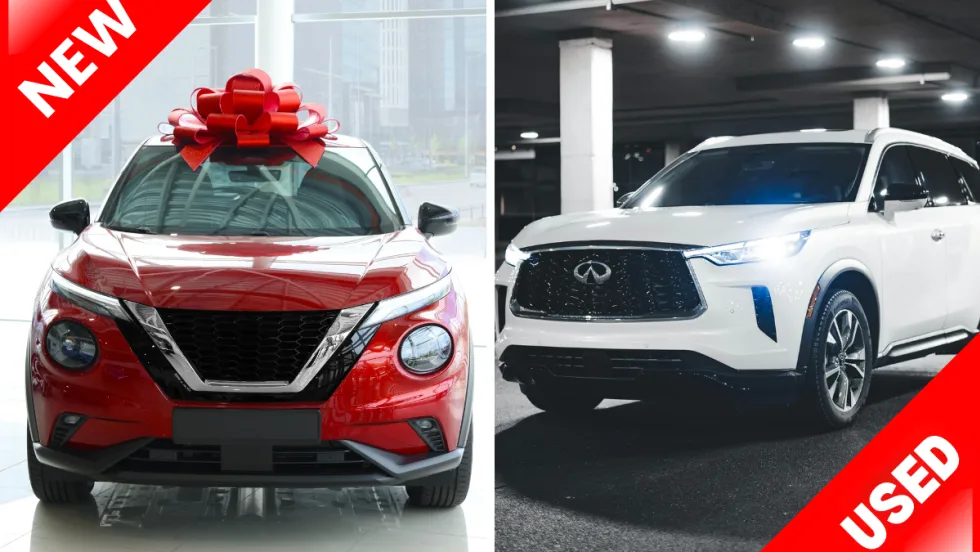
October Sales Divided
Inventory trends split between the new- and used-vehicle markets, though prices continued to rise for both in October.
Read More →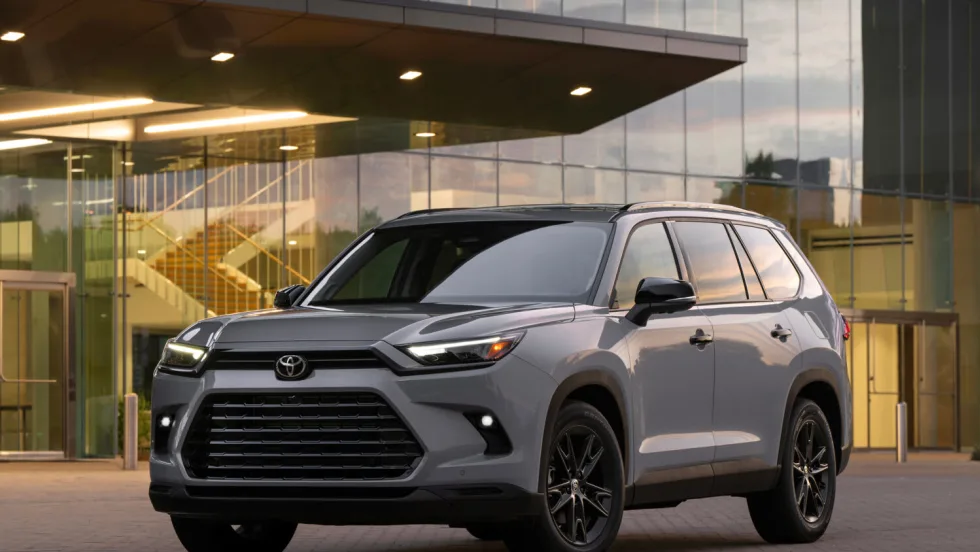
Auto Transaction Prices Hit New Height
October sales of big, pricey models push up the average, even as budget-conscious consumers snag more economical options.
Read More →
Making the Safe Choice
Kelley Blue Book has turned households with teen drivers onto safe and affordable options for their vehicles of choice
Read More →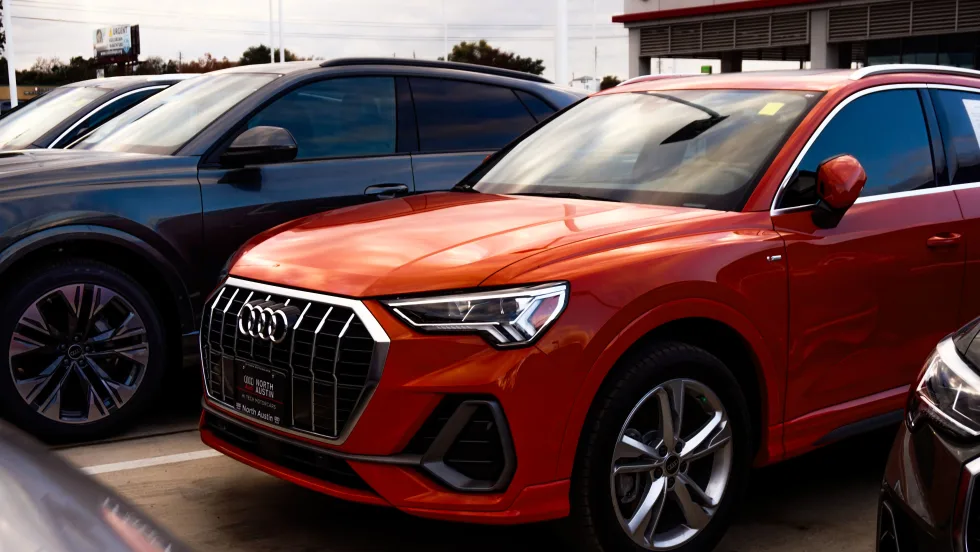
Inventory Holds Steady
September new-vehicle inventory rose slightly month-over-month, but dealer lots are laden with MY2026 vehicles as the typical model year changeover trudges along.
Read More →
October Auto Sales Fall With the Leaves
A forecast anticipates retail deliveries are down this month as consumers continue to face cost challenges, though more are tapping long loans in order to buy.
Read More →
California Sees Quarterly Gains
California’s new-vehicle market saw a boost in hybrids in the third quarter and its first overall quarterly market gain of the year.
Read More →
New-Vehicle Prices Stay Put
Affordability pressures and model availability shaped new-vehicle sales in September, according to an analysis by Kelley Blue Book.
Read More →
EV Buyer Consideration Shifts
What drives American consumers to purchase an electric vehicle is shifting as the question moves away from Should I?' to 'Which features and experience do I want to have?'
Read More →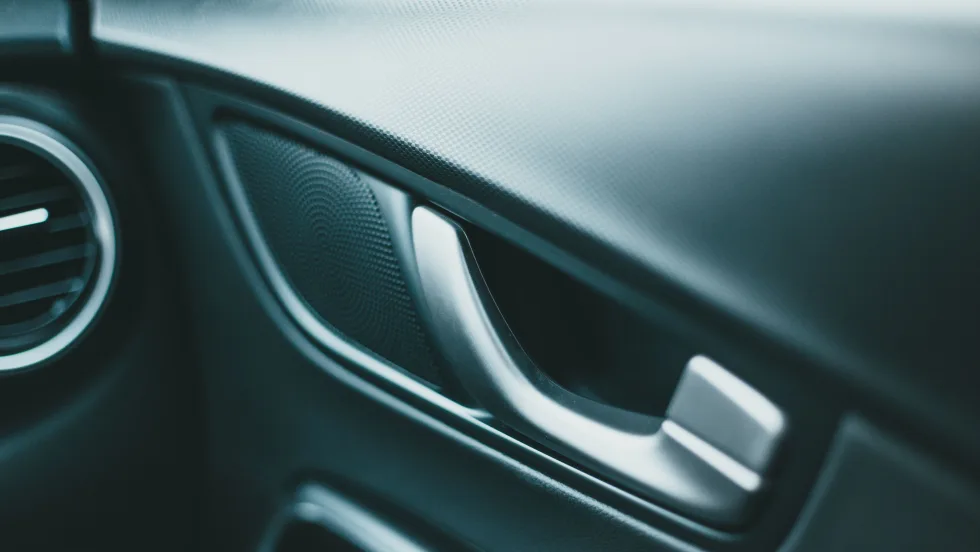
Year-to-Date Auto Sales Holding Their Own
A forecast through August shows that automakers have shifted strategies to keep deliveries and revenues up despite tariffs and other economic challenges.
Read More →