



Leveraging Data-Driven Learning to Improve Quality Solutions
Unlocking critical data through a digital-first approach is the most important step in understanding long-term patterns, trends, and issues, while also driving continuous improvement.
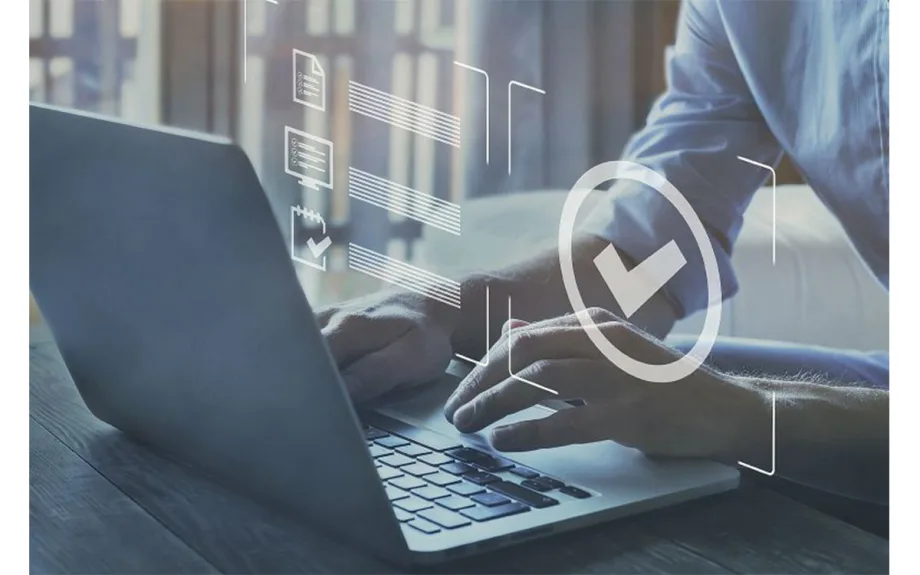
Unlocking critical data through a digital-first approach is the most important step in understanding long-term patterns, trends, and issues, while also driving continuous improvement.
IMAGE: Getty
Less than half of manufacturing companies have deployed digital or mobile technologies in their operations to capture and leverage data to help drive improvements. Yet one of the key benefits of connected worker technologies for auto manufacturing leadership and frontline workers alike is greater quality control, including control within layered process audits. Implementing connected worker solutions allows frontline workers to become quality leaders themselves, capturing data when it matters most and driving improvements in quality and process compliance.
Auto manufacturers have an opportunity to improve quality control and layered process and supplier audits by leveraging digital connected worker solutions that offer guided audit workflows, automated data capture, and real-time insights. Benefits include capturing quality defects in real-time by engaging frontline workers digitally to identify and report compliance issues; detecting early defects through real-time data capture that prompts a live feed of reported issues; stop job triggers; configurable issue alerts and notifications to management; and supporting supplier quality control through remote supervision of quality data and reports.
The Problem
Countless challenges arise every day for quality leaders that could result in compliance issues, product defects, and wasted product, which costs them time, money, and a competitive edge. Quality leaders spend a considerable amount of time checking and double-checking that teams adhere to critical process compliance so that quality issues can be minimized, if not eliminated. Additionally, before the advancements of industry 4.0, many compliance assurance processes, filing, and analysis happened on paper, making it difficult to identify issues promptly, let alone before they occur.
Ensuring process compliance is key to capturing product defects before they make it out the door. Poor quality products and underlying quality issues can leave you with dissatisfied customers and dangerous products. Capturing defects at the earliest possible point allows for timely interventions that can reduce defects, scrap, and rework.
The Solution
Implementing connected worker solutions is the answer to preventing such quality challenges from occurring in the first place. There is software available that unlocks real-time data from frontline workers and leaders to ensure compliance by delivering a digital solution for managing Quality Management Processes processes and procedures tied to achieving and maintaining quality standards. Such solutions deliver in-the-moment guidance and prompts to ensure work is executed properly by removing guesswork with dynamic logic to take workers through the correct path. As a result, issues are surfaced through simple, guided workflow experiences.
Connected worker solutions make it easy and possible to capture real-time data and audit trails from frontline workers, which is the key to ensuring process compliance and identifying defects at their earliest point. Flexible connected worker solutions also safeguard supplier quality by providing proactive quality requirements and safety and operational procedures through remote supervision.
Unlocking critical data through a digital-first approach is the first and most important step in understanding long-term patterns, trends and issues; early reporting of quality defects or compliance issues; and driving continuous improvement. Adopting industry 4.0 connected worker solutions drives time and cost savings, fosters safer and more efficient work environments and at the same time, supports production of high-quality products.
Robin Fleming is the co-founder of Anvl, a software company helping companies unlock real-time data to improve product quality, safety, and productivity. She is an entrepreneur and leader focused on developing innovative software technology solutions.
Originally posted on Auto Dealer Today
More Digital
Fixed-Ops Automation Can Help Dealerships Stand Out
Technology turns everyday service repairs into lasting customer loyalty and dealer profitability.
Read More →
AI and the Auto Dealer
These are risks you can’t ignore as the technology becomes more and more of a presence in the auto retail environment.
Read More →
Data Drives Success
Dealerships that make decisions based on data rather than gut instinct or experience have a leg up on their competitors, according to a recent survey.
Read More →
AI: Facilitator, Not Fixer, in F&I
The dealerships that thrive in the years ahead will be those that embrace technology while continuing to invest in the people who make customer interactions count.
Read More →
Simple But Effective Hacking Surges
Data from the past year at U.S. auto dealerships finds that email and identity phishing are growing threat sources that can dispense with malware by exploiting trust.
Read More →
The Future of Car Dealerships
Artificial intelligence is reshaping the service-drive experience and will help retailers stay competitive.
Read More →
Structure Leads to Optimized Auto Listings
As the average car-buying journey has shifted to a blend of digital and retail, a dealership’s vehicle listings must be optimized to answer shoppers’ questions clearly and accurately.
Read More →
Real Intelligence
AI, though it presents many opportunities for productivity, efficiency and more, isn’t a one-for-one stand-in for people. It can augment human capital but not replace it altogether.
Read More →
Zurich Launches Advisor IQ for F&I Manager Coaching
The new platform uses real transaction data and artificial intelligence-driven insights to help car dealerships improve consistency and performance.
Read More →
F&I in the Digital Age
Digital retailing has not made the F&I manager obsolete. If anything, it has revealed how valuable the role can become when technology is used correctly.
Read More →