



Move From Being a Closer to an Opener
The demand for closers is shrinking.

Here are three efforts that will enable us to move from being ‘closers’ to becoming ‘openers.’
“You can tell whether a man is clever by his answers. You can tell whether a man is wise by his questions.”– Nobel Laureate Naguib Mahfouz
Tremendous effort has been exerted for decades in the attempt to “close” the customer. The implication is that if we “close” them, the door is closed and locked, and the key has been thrown away. It is virtually impossible for the customer to change his or her mind, and all other options have been eliminated. Sales training has commonly been based on answering objections, eliminating all reasons not to buy, and then closing the customer. There is validity to overcoming customer objections with current data. However, if closing is the technique utilized to move them, it creates resistance and lowers the chances of the outcome we seek.
Recently, a Harvard research effort that reviewed hundreds of live one-on-one efforts with customers found that the person who asks genuine follow-up questions invites more insightful conversations. They even have a name for them — “openers.” One of the recent shifts in customer behavior has been the resistance to closing techniques and the desire to talk more about themselves. They have always wanted to talk about themselves; however, they have endured our past efforts to minimize their sharing — no more. Here are three efforts that will enable us to move from being “closers” to becoming “openers.”
ASK GENUINE QUESTIONS THAT FOCUS ON THEM
We know that open-ended questions are the pathway to profits. Yet by observing hundreds of live deliveries every year, I can truthfully say that many managers digress into doing 75% to 90% of the talking. It is more than changing the questions; it is becoming genuinely interested in the person on the other side of your desk. Until the genuineness is palatable, no questions will change the atmosphere that will lead to decisions that will benefit the customer in their situation. Open-ended questions that invite the customer to talk about themselves are much more than a sales technique, they are an open invitation to learn more about the customer.
EMPLOY ACTIVE LISTENING
Active listening can be developed with practice. However, it is not a natural trait and will take time to grow into a solid skill set. Active listening involves all of the senses. The customer must see your interest in what they are saying both in your body language and your facial expressions. They must hear responses that say they have been heard and understood. All distractions must be put aside to assure the customer knows we are focused on them. Looking at a watch or cellphone, or even looking past the customer to see something, can tell them they are wasting their time talking and we are not interested. Complete focus and genuine interest display active listening and a person on the other side of the desk that cares about them.
INVOKE THE SOUND OF SILENCE
One of the most powerful tools you can employ is the sound of silence. It’s also one of the hardest to perfect. Silence in a conversation is awkward, and it begs for someone to say something. If you intentionally use silence when you want the customer to continue talking/explaining, they most likely will. Customers normally feel we are anxious to talk and take over the conversation. Silence is an invitation for them to take control and do most of the talking. That is where you both discover their true needs and reasons why they may not want what you are offering.
It’s time for “closing” to give way to “opening.” And when the demand for anything goes down, so does its value. The value of closing is shrinking, and the demand for “openers” is rising. It’s valuable and should be a valuable part of your journey to more success.
Rick McCormick serves as national account development manager for Reahard & Associates.
More Showroom

California Sees Quarterly Gains
California’s new-vehicle market saw a boost in hybrids in the third quarter and its first overall quarterly market gain of the year.
Read More →
New-Vehicle Prices Stay Put
Affordability pressures and model availability shaped new-vehicle sales in September, according to an analysis by Kelley Blue Book.
Read More →
EV Buyer Consideration Shifts
What drives American consumers to purchase an electric vehicle is shifting as the question moves away from Should I?' to 'Which features and experience do I want to have?'
Read More →
Year-to-Date Auto Sales Holding Their Own
A forecast through August shows that automakers have shifted strategies to keep deliveries and revenues up despite tariffs and other economic challenges.
Read More →
Slow to Robo
Ten years of polling consumers shows autonomous vehicles’ profiles have risen considerably, but even more people now want at least some level of control if they go that route.
Read More →
Dealers a Little Down
A third-quarter Cox Automotive survey finds them in a mixed mood, bummed by fallen customer traffic but encouraged by better profits, costs and EV interest.
Read More →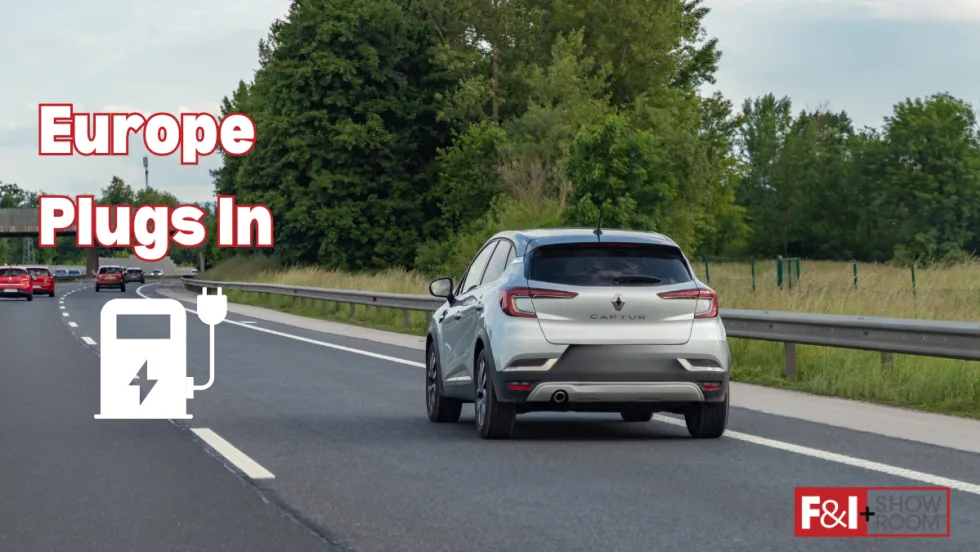
European EV Sales Skyrocket
The EV market on the continent held strong in July with almost 25% of new-car sales being fully electric units, a stark contrast to the U.S., where EV sales declined about 42%.
Read More →
Mitsubishi Unveils U.S. Plan
The automaker announced a strategy that includes an expanded lineup and dealership presence, along with more ‘rugged’ and electric models.
Read More →
Used Lots Getting the Business
Many consumers are seeking out the units to save money, and the demand – higher in July than normal – is keeping supply limited and prices up.
Read More →
Used Market Stabilizes
The Carfax Used Car Index noted a major drop in used-vehicle price increases in July after several months of hikes.
Read More →