



Top 5 States for New Dealerships
Check out five states NADA Data indicates could be the ideal location for your next dealership.
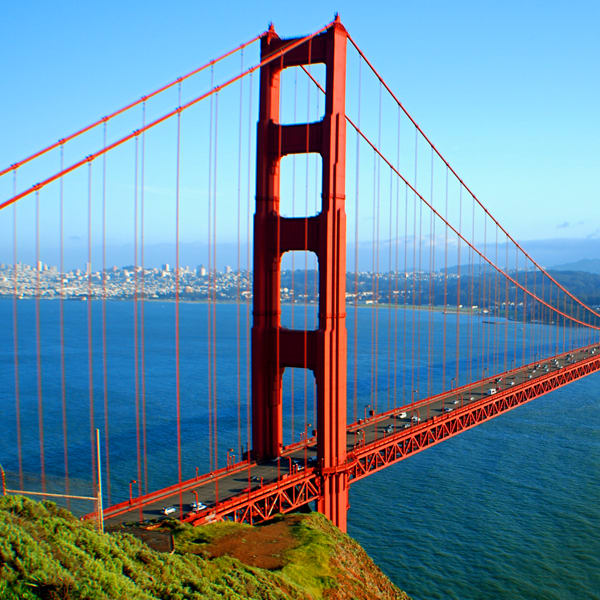
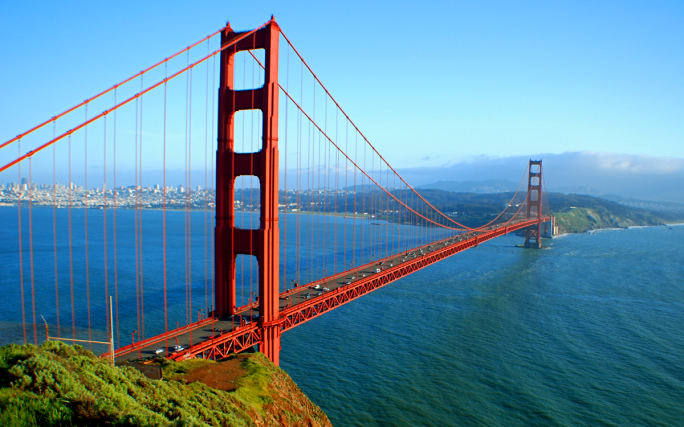
The Golden State may not generally be considered a business-friendly environment, but California dealers enjoy high-volume sales and competitive startup costs. Photo by Nick Fullerton
In the last few years, auto sales have been going up steadily. Almost 17.5 million vehicles were sold last year. The total sales for 2016 add up to a whopping $995.6 billion. Growth may have slowed, but the outlook for the industry is still positive. It’s no wonder many entrepreneurs are exploring options to open a dealership or expand an existing network of rooftops across state borders.
If you’re considering these opportunities, it’s worth analyzing the market to determine the most appropriate location for your new dealership. NADA’s annual industry report is a great resource to help you make an informed choice. Let’s take a closer look at five states that are among the nation’s best, according to NADA Data.
1. Oklahoma
Oklahoma remains one of the top states for running a successful car dealership. In 2016, vehicle dealers’ sales averaged $172,677, which is the highest number nationwide.
In terms of startup and operation expenses, the state offers some of the best conditions in the U.S. as well. To get licensed, Oklahoma dealers have to pay a $200 licensing fee per location. They need to get a $25,000 surety bond for a used or wholesale dealer license, which is a rather low amount.
The average weekly earnings of dealership employees in 2016 were $1,012, which is below the national average of $1,122. The average payroll of a new car dealership was $2.96 million, which is also below the national average of $3.88 million.
These stats make Oklahoma a prime location for your new dealership. Just make sure you remind your customers that it’s illegal to read comic books while driving in the state.
2. Florida
In 2016, Florida auto dealers made sales for $90,053 on average. This is one of the highest sales levels in the country, making the state an attractive location for your new dealership.
The startup costs for dealerships in the state are rather low too. You have to cover a $300 licensing fee. You will need to obtain a $25,000 surety bond for all types of licenses, which is one of the lowest bond amounts in the country.
Dealership employees got paid an average of $1,155 per week in 2016, which is a bit above the national average. Still, due to its considerable size and good economic situation, Florida is a top choice for starting a car dealership this year.
3. Arizona
The average sales made by a dealership in Arizona in 2016 amounted to $90,666. The startup costs in Arizona are slightly higher than in other places, but are still manageable.
The licensing fee is $100, and you also need to pay $50 per branch, $15 filing fee, and $22 criminal records check fee.
The surety bond requirement for Arizona car dealers is to post a $100,000 bond for selling new and used vehicles. The amount is significantly lower for brokers, wholesale auto auction dealer, and wholesale motor vehicle dealers, who need only post $25,000.
Dealership employees in Arizona earned an average of $1,138 per week, which is close to the national average, and they live in one of the few states that doesn’t get snow.
4. Nevada
Nevada dealerships on average made sales of $86,152 in 2016. The startup costs in Nevada are similar to those in Arizona.
The application fee for newly established dealerships is $126. Dealers have to post a $100,000 bond for most license types. The bond requirement is only $10,000 for dealers of utility or boat trailers below 3,500 weight, and $50,000 for those who sell utility or boat trailers above 3,500 pounds.
Employees in Nevada car dealerships made an average of $1,267 per week. The average annual payroll is thus rather high: $6.05 million per dealership. Even though the payroll costs may be higher in Nevada, the business opportunities are worth the try.
5. California
In 2016, a car dealership in California made on average of $89,865, which is among the country’s top yearly sales. Launching a vehicle sales business in the state is not costly either: The annual licensing fee is $175. Plates cost $57 each. The auto dealer bond requirement is $50,000.
Last year, dealership employees in California earned an average of $1,254 weekly, which is above the national average. The average annual payroll was $5.78 million per dealership, which is also a rather high figure for the country.
Despite the higher employment costs, California remains one of the best states to run a dealership. It’s also one of the most progressive states in terms of electric vehicles and self-driving cars, so the opportunities for expanding your business with the rise of innovative technologies are abundant.
Which are the best states to open a car dealership in 2017 in your opinion? We’d love to know your ideas, so please share them in the comments below. And remember, whichever state you choose, you still need to undergo a licensing and bonding procedure to ensure your legal compliance.
Vic Lance is the founder and president ofLance Surety Bond Associates and an expert in helping auto dealers get licensed and bonded. Email him at vic.lance@bobit.com.
Originally posted on Auto Dealer Today
More Showroom

New Cars Less Affordable
Buying conditions eroded for American shoppers last month due to inflation and interest rates, though they fared better than a year ago.

October Sales Divided
Inventory trends split between the new- and used-vehicle markets, though prices continued to rise for both in October.

Auto Transaction Prices Hit New Height
October sales of big, pricey models push up the average, even as budget-conscious consumers snag more economical options.

Making the Safe Choice
Kelley Blue Book has turned households with teen drivers onto safe and affordable options for their vehicles of choice

Inventory Holds Steady
September new-vehicle inventory rose slightly month-over-month, but dealer lots are laden with MY2026 vehicles as the typical model year changeover trudges along.

October Auto Sales Fall With the Leaves
A forecast anticipates retail deliveries are down this month as consumers continue to face cost challenges, though more are tapping long loans in order to buy.

California Sees Quarterly Gains
California’s new-vehicle market saw a boost in hybrids in the third quarter and its first overall quarterly market gain of the year.

New-Vehicle Prices Stay Put
Affordability pressures and model availability shaped new-vehicle sales in September, according to an analysis by Kelley Blue Book.

EV Buyer Consideration Shifts
What drives American consumers to purchase an electric vehicle is shifting as the question moves away from Should I?' to 'Which features and experience do I want to have?'

Year-to-Date Auto Sales Holding Their Own
A forecast through August shows that automakers have shifted strategies to keep deliveries and revenues up despite tariffs and other economic challenges.