



Your Martech Stack Is Missing the Mark
Expert shares advice for dealers whose marketing technology stacks have failed to meet your customers’ growing expectations.


Illustration by Mohamed Hassan via Pixabay
The first marketing technology stacks were created to organize, analyze, and improve performance. They surfaced in the early 2000s when three adventurous CMOs invested in fundamental tools made for superior management of their campaigns and audiences. These integrated systems induced order, unlocked targeted campaigns, and personalized messages for improved results for automotive dealers.
In recent few years, the retail marketing industry has come a great distance, comparable to the evolution of the first printing press that began with a quill and parchment paper. In 2011, there were roughly 150 firms offering marketing technology. Now, more than 6,800 technology-based tools including digital advertising, data analytics, content marketing, marketing automation, and much more.
Bad Stacks Annoy Customers
At some point, marketers became stack managers: spending more time on implementing technology than creative development, customer research, and messaging. For some, now the job is “nothing but the stack.”
Current automotive marketers are facing remarkable pressure to build and manage stacks. As a result, customers are left with the burden too often.
With collection and distribution of customer communications consent and preferences- the problem is clear. The majority of automotive marketing technology systems and frameworks that make up the powerful stack collect and store preferences; however, their functionality is limited.
This means customer consent and preferences stored in a sales CRM system never transfer to customer support, marketing, or third-party providers. For example, explicit permission to contact a cell phone — absolutely crucial for compliance purposes — remains within an ESP, unable to link with the marketing automation solution.
When asked, many enterprise clients often think their customer preference information flows through four to six separate, detached technologies. In successive analysis, an average of 12 to 14 distinct solutions are revealed, more than double their estimate, along with apparent evidence of deep compliance and customer experience challenges.
A Plethora of Technologies
Dealers using Salesforce, Microsoft Dynamics or SAP, want to track their customers from a “sales” perspective — the classic CRM solution. These platforms are tailored to enable sales organizations with the information necessary to do their job — understand the customer across the lifecycle and achieve insight into what the customer has bought — or could buy — from the company.
Dealers implementing an outbound email service provider, like IBM Watson Marketing (formally Silverpop), Oracle Responsys, or Oracle Eloqua have the primary goal to send communications to the customer to move them further along in the buyer journey based on scoring, behavior, or company objectives. These systems have email covered as the main form of communication, however, it’s likely the customer is engaging with the company across multiple channels. These systems are not designed to provide interconnect all points encountered by each customer.
When providing a preference to one channel, customers expect the preference is integrated across the organization. Frustrations are present when the customer feels unheard. Preferences shared to one systems should easily be shared across all of your platforms for outbound communication with a clear understanding of the source of change.
Any dealer relying on customer identity access management systems like SAP (formally Gigya), Janrain, or LoginRadius to solve the problem need to focus on their primary purpose to understand why they fall short. These systems are built to provide customers with easy access across the enterprise and understand them more deeply (from third party sources, for example). To find the power in effective preference management implementation, a continuing conversation with the customer as their desires shift for communication preferences across channels is required.
A thorough picture of your customer requires more than the information collected from them to date. It requires that they have seamless access to update their preferences and profile data as their situation evolves. It is not a “point in time” collection. It is a combination of a technology approach with a built-in process that considers the customer and their ability to participate in the preference conversation in an ongoing fashion.
The Big Issue
What is the largest issue automotive marketers are facing today with these technological systems?
None of them are built with direct customer interaction in mind for the management, maintenance and collection of preference data or to provide compliance support across the enterprise.
Enterprises are always hopeful to discover one system capable of solving all needs of the marketing stack, but often forget it is called a “stack” with reason. Each part resolves a specific marketing issue. It’s important to acknowledge the background of any system a business may be considering.
Eric V. Holtzclaw is chief strategist of PossibleNOW, where he helps strategically guide companies with the implementation of enterprise-wide consent and preference management solutions.
Originally posted on Auto Dealer Today
More Digital

Structure Leads to Optimized Auto Listings
As the average car-buying journey has shifted to a blend of digital and retail, a dealership’s vehicle listings must be optimized to answer shoppers’ questions clearly and accurately.
Read More →
Real Intelligence
AI, though it presents many opportunities for productivity, efficiency and more, isn’t a one-for-one stand-in for people. It can augment human capital but not replace it altogether.
Read More →
Zurich Launches Advisor IQ for F&I Manager Coaching
The new platform uses real transaction data and artificial intelligence-driven insights to help car dealerships improve consistency and performance.
Read More →
F&I in the Digital Age
Digital retailing has not made the F&I manager obsolete. If anything, it has revealed how valuable the role can become when technology is used correctly.
Read More →
Need for Speed: EV Apps Lack Consistency
Fifty-five percent of surveyed EV owners said their mobile applications had a major or moderate impact on their purchasing decisions, but connectivity issues remain a problem.
Read More →
Four Keys to Your Digital Trail Defense
Federal regulators are cracking down on hidden fees. This protective measure could mean the difference between winning and losing a lawsuit or surviving a duel with the Dark Side.
Read More →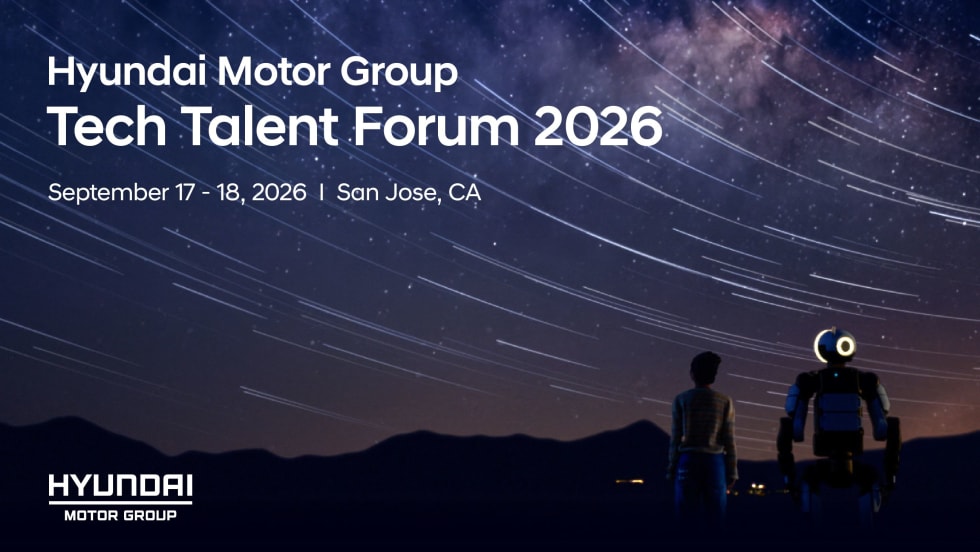
Hyundai Hosts Tech Talent Forum
Technology leaders from Hyundai Motor Group will have open discussions at the inaugural HMG Tech Talent Forum on topics ranging from autonomous driving to 'smart' manufacturing.
Read More →
Dealers Seek Actionable AI
Dealers are facing growing frustrations with current generic artificial intelligence tools, according to a survey by Lotlinx, which found they want a solution that understands their inventories.
Read More →
Reahard & Associates Forges New Integration
The firm's F&I Insight tie-up with The Impact Group’s ImpactMenu platform is designed to enhance finance-and-insurance transaction recording for auto dealerships.
Read More →
Registration Open for Reynolds Amplify Retail Summit
Advancements with Reynolds' AI Agent, Rey, will take center stage this August at the Park Hyatt Aviara in Carlsbad, Calif., near San Diego.
Read More →