



Tesla and the 1% Problem
For all its missteps, Tesla Inc. finally found its footing in 2018, eking out a 1.2% market share and renewing concerns shared by established manufacturers and brick-and-mortar dealers.

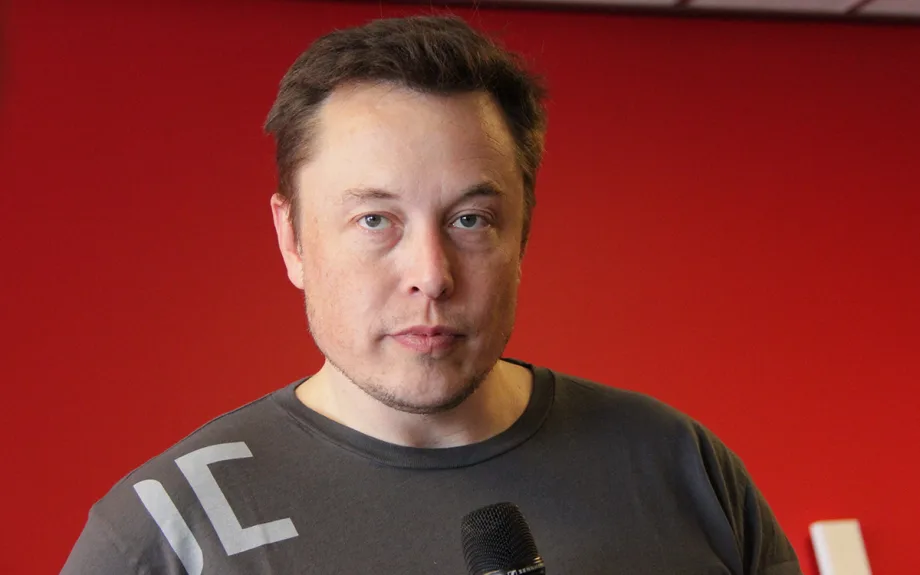
Tesla Inc. CEO Elon Musk said “Good luck with that” when asked whether he feared further legal challenges for selling vehicles directly to U.S. consumers.
Photo courtesy Tesla Owners Club Belgium via Flickr
From approximately the moment the first Roadster prototype was unveiled in July 2006, Tesla Inc. has represented a dual threat to the status quo of automotive retail: Its vehicles would be fully electric, and they would be sold directly to customers, flouting the patchwork of state laws protecting the franchised dealership model. Last year, a third threat emerged: sales.
Founded in 2003 by Martin Eberhard and Marc Tarpenning, Tesla picked up where General Motors’ EV program left off. Inspired by GM’s fleetwide recall and scrapping of the EV1, the engineers set out to bring electric vehicles to the masses. An early investor, PayPal founder Elon Musk, became chairman in 2004. (He has since demoted himself to CEO by agreement with the U.S. Securities and Exchange Commission.) Leading with the $112,000 Roadster, which went into production in the summer of 2009, executives planned to build progressively more affordable cars, slowly and deliberately gaining market share.
Despite a series of missteps that includes production delays, missed deadlines, heart-stopping funding woes, fire emergencies, Autopilot crashes, SEC investigation-triggering tweets, and a ceaseless parade of departing executives — including both founders — that plan is still in place, and it’s finally bearing fruit. In 2015, Tesla’s first true mass-market vehicle, the Model X crossover, rolled into “galleries” across the nation. The Model 3 sedan followed in 2017, and the Model Y, a newer, better, cheaper CUV, was unveiled in February as a 2020-MY.
According to Experian Automotive data, more than half (53.9%) of all Teslas on U.S. roads were sold in 2018. Tesla accounted for 1.2% of all new-vehicle registrations last year, more than Acura (1.1%), Infiniti, Chrysler, Cadillac (all 0.8%) and Mitsubishi (0.7%). Tesla owned an astonishing 79.5% of all U.S. EV sales, up from 45.7% in 2017. No EV slouch itself, GM finished a distant second, accounting for 8.2% of all EV sales in 2018 after claiming 21.9% the year before.
For the past decade, when asked to gauge the scale of Tesla’s threat, big dealers, manufacturers, and industry experts would typically say something along the lines of, “Well, it’s very interesting, but it’s such a small piece of the market, we’re not losing any sleep over it.” And they were right. But that’s a tough case to make when one in every 100 new cars sold in America is a Tesla.
Just ask Jeff Dyke, president of Sonic Automotive, who told investors the former upstart is hurting his group’s BMW sales in a Feb. 20 conference call with investors.
“There’s no question. I mean … they’re calling out to sell well over 300,000 cars this year, they sold a lot of cars last year,” Dyke said, later adding that the factory executives he works with share his concerns. “I can tell you that I’ve spent a lot of time in manufacturer meetings, and five years ago, Tesla was just not even a real big topic, and today it’s the top of everybody’s board, and it needs to be.”
Further growth will cement Tesla’s position, and with it the company’s promise that you will never have to visit a dealership, not even for service, if all goes well. And we all know how much car buyers hate the dealership — at least until they need a competitive price or help selecting or financing a vehicle.
As for those pesky franchise laws, the fight continues. Musk’s latest tack is dismissiveness, declaring resistance to direct sales “unconstitutional,” citing interstate commerce rules, in a media call. Asked by a reporter whether he feared further opposition from dealer associations, the CEO was succinct.
“Good luck with that,” he said.
More Blog Posts
Is Sales Punching a Crime?
BMW is the latest manufacturer to be accused of falsifying new vehicle sales reports, a practice that has led to lawsuits and investigations. Are dealers conspirators or victims?
Read More →
You Can Eliminate F&I Managers. You Can’t Eliminate F&I.
The trend toward hybrid sales and finance managers shows no signs of slowing. Dealers who want to close the business office must be sure they don’t shut the door on their customers as well.
Read More →
EVs Cost Even More Than You Think
Mergers and alliances among factories are proliferating as the demand for mass-market electric vehicles increases and the cost to build them makes profitability impossible.
Read More →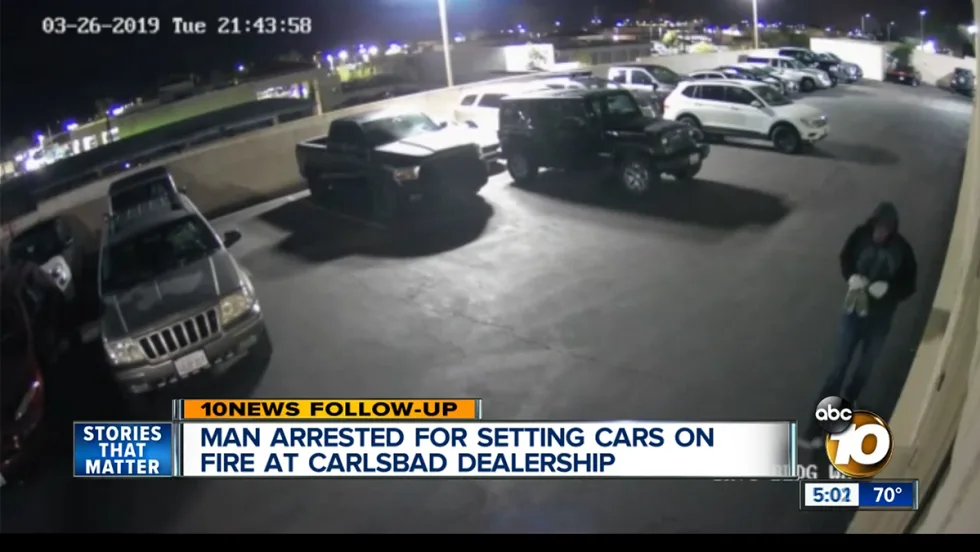
When Dealers Catch Criminals
Noncompliant and outright illegal behavior by dealers, managers, and staff have generated headlines throughout the year. Less heralded are the instances in which dealership personnel took action that led to arrests.
Read More →
A Life of Crime at the Heights of Success
The long list of offenses committed by dealers and other highly successful people proves desperation is not the only cause of criminal behavior.
Read More →
Are We Not Capitalists?
Opponents of franchise laws claim they hang on flawed logic, discourage competition, and benefit dealers to the detriment of consumers.
Read More →
Will Data Put an End to Powerbooking?
A new-to-market, data-driven solution has reignited the discussion over intentional vehicle overvaluation, a form of bank fraud that remains prevalent despite a string of dealer lawsuits and regulatory actions.
Read More →
How to Sell GAP in a Crisis
Mounting losses have compelled many underwriters to jump ship on guaranteed asset protection, but it remains a cornerstone product that continues to perform for customers, dealers, and F&I managers.
Read More →
F&I Is Stronger Than Ever
Fears that F&I would fall victim to advancing technology and bad press appear unfounded as the segment continues to perform for dealers and car buyers.
Read More →
No Way Is the Way
Rehashing deals at the desk is a losing proposition for the business office, the dealership, and its customers. One expert says dealers and managers must act now or be forced to watch the art of F&I dwindle into obscurity.
Read More →