
News
July Was Hot for Auto Borrowers
Credit proved readily available for many, but most loans left buyers in negative territory, Cox Automotive said.
Read More →

 MENU
MENU SEARCH
Credit proved readily available for many, but most loans left buyers in negative territory, Cox Automotive said.
Read More →
An expanded partnership that includes a new integration between Dealertrack and Teledata Communications was designed to enable increased efficiency and faster funding for more auto finance sources.
Read More →
More consumers in the prime and superprime credit tiers opted for used vehicles as concerns around affordability grew in the first quarter, according to the latest report from Experian.
Read More →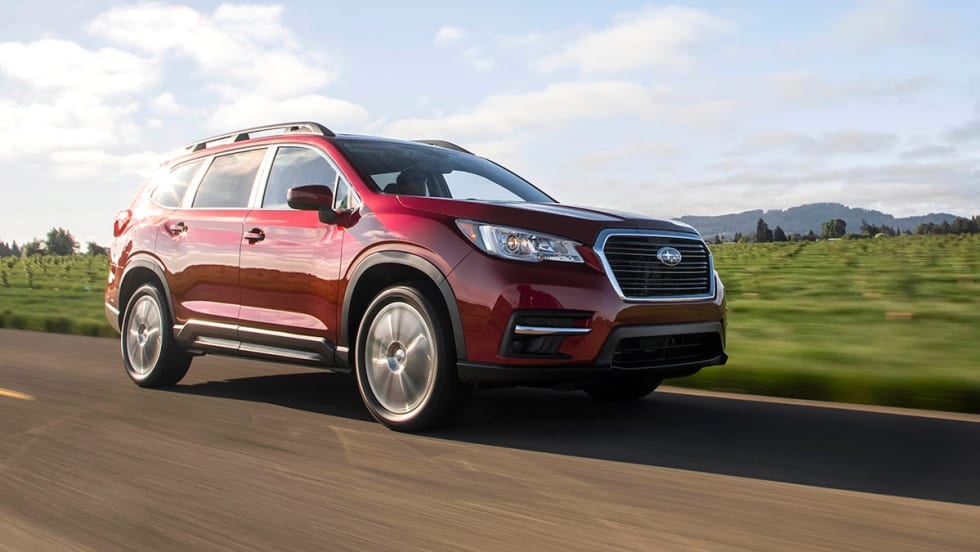
Kelley Blue Book analysts say a parade of new models helped drive the average price for a new vehicle sold in the U.S. to $37,185 in May, a 3.7% year-over-year increase.
Read More →
As higher price tags and interest rates push more prime-credit car buyers toward the used-car lot, credit unions continue to add members, market share, and dealership partners.
Read More →
The Federal Reserve Bank of New York’s Q1 U.S. household debt report finds auto loan and lease originations declined slightly year-over-year — except for sub-620 customers — while 90-day delinquencies grew by 9.2%.
Read More →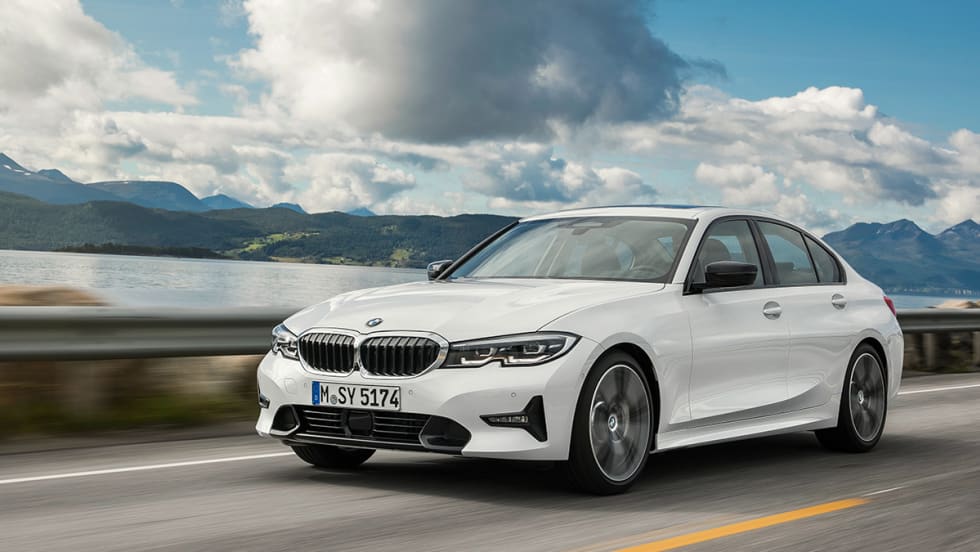
Wantalease.com analysts report relatively flat lease pricing across most major brands, but increases on several popular models should give dealers enhanced latitude for holiday weekend lease discounts.
Read More →
Lease approvals on Swapalease.com’s secondary marketplace ticked up to 72% in April, the highest rate since August 2018.
Read More →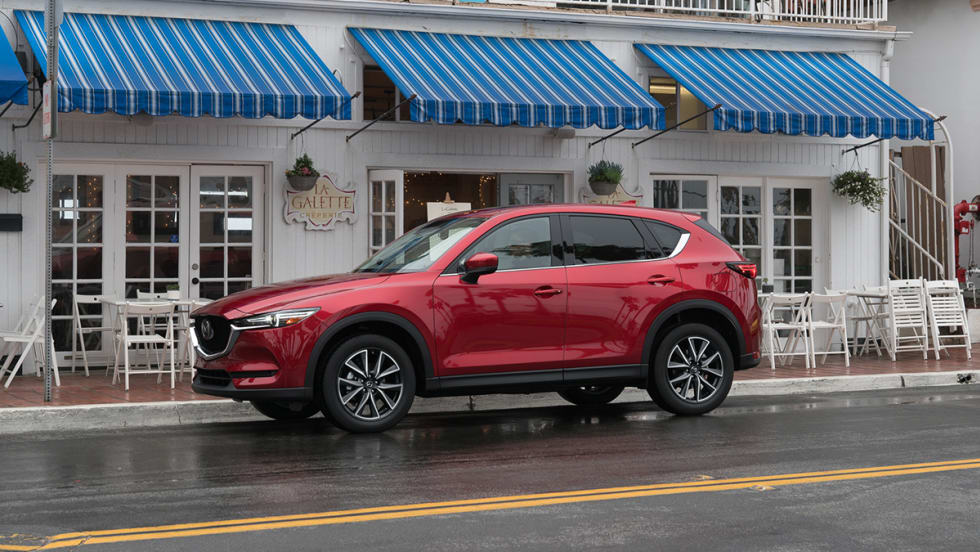
Black Book’s Used Vehicle Retention Index registered at 113.6 in April, 1.4% higher than it was a year ago but 0.2% lower than in March.
Read More →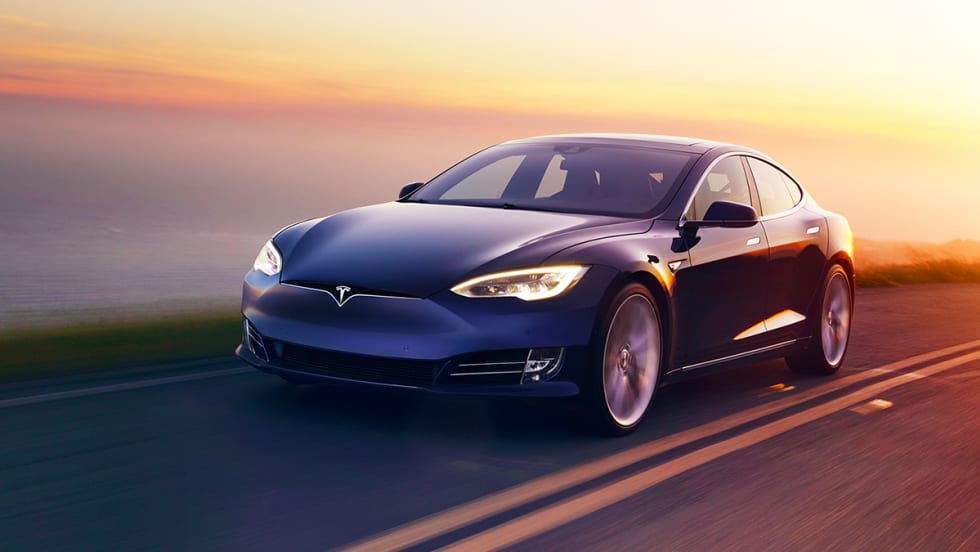
An analysis of more than 35,000 loans for pre-owned vehicles on the LendingTree platform finds Tesla, Porsche, and Lexus buyers had the highest average credit scores.
Read More →
Swapalease.com’s Q1 latest report finds only 11.2% of lease-exchange customers favored luxury sports sedans in the first quarter, down from 17.7% in Q1 2018.
Read More →