Videos
Managing Expectations
Learn how proactive communication, setting clear expectations, and providing solutions when plans change can strengthen customer trust and improve the overall service experience.
Read More →

 MENU
 SEARCH
Learn how proactive communication, setting clear expectations, and providing solutions when plans change can strengthen customer trust and improve the overall service experience.
Read More →
Michael Stanton Jr., former vice president and general manager of J.D. Power’s Vehicle Valuation Practice, formerly known as the NADA Used Car Guide, has returned to the NADA to work across the organization on strategic and operational issues.
Dealertrack has released the 13th edition of its Compliance Guide, a free resource for industry members, including dealers and F&I professionals.

After making upgrades to its Manheim Market Report this past summer, Manheim announced today that more than 90,000 unique users, on average, access MMR each month.

Customers who are able to initiate the financing and F&I product selection process online report a better overall car-buying experience, according to a new survey from SpringboardAuto.
Road hazard tire-and-wheel, key protection with Tile Technology and optional add-on coverages highlight the F&I product provider’s new offerings.

The fintech firm has added Audi Financial Services to its car-shopping and financing platform, which now allows Audi shoppers to find their chosen vehicle at the dealership of their choice and secure financing through the carmaker’s captive in four easy steps.

The magazine’s resident F&I pro reveals the two magic words that, when mixed with solid power questions, can motivate your customers to buy.

Cindy Allen has been named CEO of StoneEagle, joining an executive leadership team that includes founder and chairman Bobby Allen and managing partner Brent Allen.
A strategic partnership between F&I Express and F&I Administration Solutions was designed to create the industry’s first electronic F&I product cancelation process.
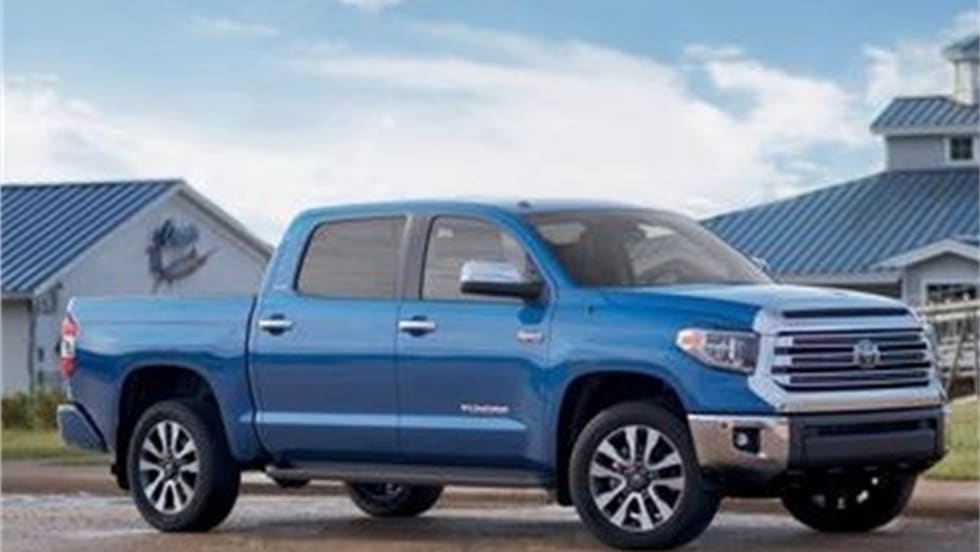
Toyota is recalling 649 vehicles because they may have labels that inaccurately specify load-carrying capacity, according to the National Highway Traffic Safety Administration.