



AAA: Crashes Shake Faith in Driverless Vehicles
Two surveys conducted less than a year apart show Americans are increasingly anxious about the growing presence of autonomous vehicles on public roads.
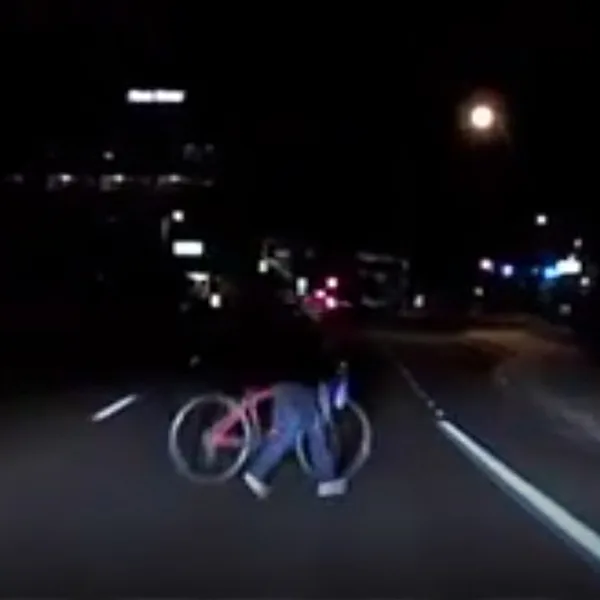
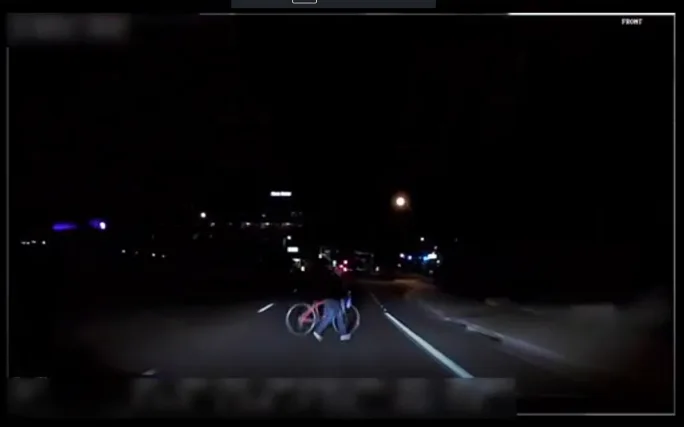
On March 18, Tempe, Ariz., resident Elaine Herzberg was struck and killed by an SUV operating in autonomous mode. Photo courtesy Tempe (Ariz.) Police Department
ORLANDO, Fla. — Following high-profile incidents involving autonomous vehicle technologies, a new report from AAA’s multiyear tracking study indicates that consumer trust in these vehicles has quickly eroded. Today, nearly three-quarters (73%) of American drivers report they would be too afraid to ride in a fully self-driving vehicle, up significantly from 63% in late 2017. Additionally, two-thirds (63%) of U.S. adults report they would actually feel less safe sharing the road with a self-driving vehicle while walking or riding a bicycle.
“Despite their potential to make our roads safer in the long run, consumers have high expectations for safety,” said Greg Brannon, AAA’s director of automotive engineering and industry relations. “Our results show that any incident involving an autonomous vehicle is likely to shake consumer trust, which is a critical component to the widespread acceptance of autonomous vehicles.”
Surprisingly, AAA’s latest survey found that millennials — the group that has been the quickest to embrace automated vehicle technologies — were the most impacted by these incidents. The percentage of millennial drivers too afraid to ride in a fully self-driving vehicle has jumped from 49% to 64% since late 2017, representing the largest increase of any generation surveyed.
“While autonomous vehicles are being tested, there’s always a chance that they will fail or encounter a situation that challenges even the most advanced system,” said Megan Foster, AAA’s director of federal affairs. “To ease fears, there must be safeguards in place to protect vehicle occupants and the motorists, bicyclists, and pedestrians with whom they share the road.”
Click here to read “They Finally Killed Somebody,” an exclusive report on driverless vehicle safety by Auto Dealer Today columnist Jim Ziegler.
More Digital
Fixed-Ops Automation Can Help Dealerships Stand Out
Technology turns everyday service repairs into lasting customer loyalty and dealer profitability.
Read More →
AI and the Auto Dealer
These are risks you can’t ignore as the technology becomes more and more of a presence in the auto retail environment.
Read More →
Data Drives Success
Dealerships that make decisions based on data rather than gut instinct or experience have a leg up on their competitors, according to a recent survey.
Read More →
AI: Facilitator, Not Fixer, in F&I
The dealerships that thrive in the years ahead will be those that embrace technology while continuing to invest in the people who make customer interactions count.
Read More →
Simple But Effective Hacking Surges
Data from the past year at U.S. auto dealerships finds that email and identity phishing are growing threat sources that can dispense with malware by exploiting trust.
Read More →
The Future of Car Dealerships
Artificial intelligence is reshaping the service-drive experience and will help retailers stay competitive.
Read More →
Structure Leads to Optimized Auto Listings
As the average car-buying journey has shifted to a blend of digital and retail, a dealership’s vehicle listings must be optimized to answer shoppers’ questions clearly and accurately.
Read More →
Real Intelligence
AI, though it presents many opportunities for productivity, efficiency and more, isn’t a one-for-one stand-in for people. It can augment human capital but not replace it altogether.
Read More →
Zurich Launches Advisor IQ for F&I Manager Coaching
The new platform uses real transaction data and artificial intelligence-driven insights to help car dealerships improve consistency and performance.
Read More →
F&I in the Digital Age
Digital retailing has not made the F&I manager obsolete. If anything, it has revealed how valuable the role can become when technology is used correctly.
Read More →