



AAA: EV Awareness Gap Slows US Adoption
Despite a proliferation of new models, a survey of U.S. consumers finds only 40% believe most vehicles will be electric 10 years from now, a result AAA analysts say reveals a ‘lack of knowledge’ in how EVs perform in day-to-day driving conditions.

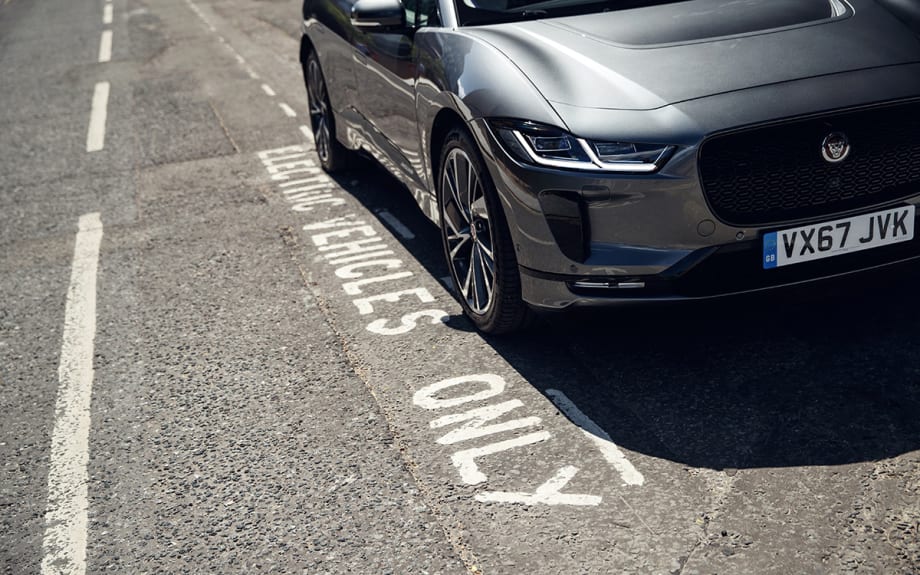
AAA’s latest survey reveals the average U.S. consumer is more likely to believe most new vehicles will be autonomous than electric by 2029.
Photo courtesy Jaguar Land Rover
ORLANDO, Fla. — AAA’s latest survey reveals that despite many Americans having interest in electric vehicles, when asked if most vehicles will be electric by 2029, only four in 10 said yes. Yet a separate study AAA conducted earlier this year found that more than half of Americans believe that in this same timeframe, most cars will have the ability to drive themselves — a reality that is much less likely to happen.
AAA analysts concluded that, similar to other emerging technologies, a lack of knowledge and experience may be contributing to the slow adoption of electric vehicles despite Americans’ desire to go green.
“Today, more than 200,000 electric cars can be found on roads across the country as almost every manufacturer sells them,” said Greg Brannon, AAA’s director of automotive engineering and industry relations. “But, like other new vehicle technologies, Americans don’t have the full story, and that could be causing the gap between interest and action.”
AAA’s annual survey that tracks opinions regarding electric and hybrid vehicles found that while consumer interest remains steady, Americans may not have a solid understanding of electric vehicle performance, which may be giving consumers pause when it comes to considering electric for their next purchase.
For instance, electric vehicles, unlike those running on gas, do better in stop-and-go traffic because the car can recapture energy to charge the battery when decelerating. However, AAA’s survey found that a majority of Americans (59%) were unsure of whether electric vehicles have better range when driving at highway or city speeds. This demonstrates that many consumers are not sure what to expect from an electric vehicle in two of the most common driving scenarios.
Although most Americans don’t believe electric vehicles will be on the road in masses in the next 10 years, AAA did find that 40 million Americans say they would be likely to consider an electric vehicle for their next car purchase, with millennials leading the pack.
Concern for the environment and lower long-term costs remain the leading reasons to go green (74% and 56%, respectively). Previous objections to buying electric with regard to price and range anxiety continue to ease and have trended downward significantly:
Concern that there are not enough places to charge: down 11% from 2017
Concern about running out of charge when driving: down 11% from 2017
Higher cost of battery repair or replacement: down 8% from 2017
Higher purchase price: down 6% from 2017
“These vehicles are a big part of the future of transportation, since self-driving cars, when they do arrive, will likely be electric,” Brannon said. “The difference, of course, is that electric vehicles are already here and with the advancements in style and range that have been made over the last few years, they have become an even more viable option for many Americans.”
Originally posted on Auto Dealer Today
More Showroom

California Sees Quarterly Gains
California’s new-vehicle market saw a boost in hybrids in the third quarter and its first overall quarterly market gain of the year.
Read More →
New-Vehicle Prices Stay Put
Affordability pressures and model availability shaped new-vehicle sales in September, according to an analysis by Kelley Blue Book.
Read More →
EV Buyer Consideration Shifts
What drives American consumers to purchase an electric vehicle is shifting as the question moves away from Should I?' to 'Which features and experience do I want to have?'
Read More →
Year-to-Date Auto Sales Holding Their Own
A forecast through August shows that automakers have shifted strategies to keep deliveries and revenues up despite tariffs and other economic challenges.
Read More →
Slow to Robo
Ten years of polling consumers shows autonomous vehicles’ profiles have risen considerably, but even more people now want at least some level of control if they go that route.
Read More →
Dealers a Little Down
A third-quarter Cox Automotive survey finds them in a mixed mood, bummed by fallen customer traffic but encouraged by better profits, costs and EV interest.
Read More →
European EV Sales Skyrocket
The EV market on the continent held strong in July with almost 25% of new-car sales being fully electric units, a stark contrast to the U.S., where EV sales declined about 42%.
Read More →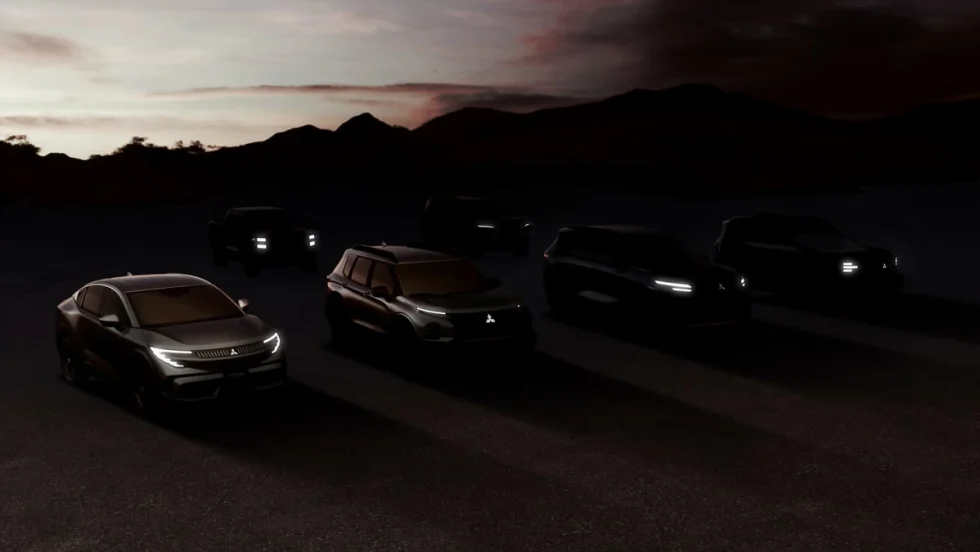
Mitsubishi Unveils U.S. Plan
The automaker announced a strategy that includes an expanded lineup and dealership presence, along with more ‘rugged’ and electric models.
Read More →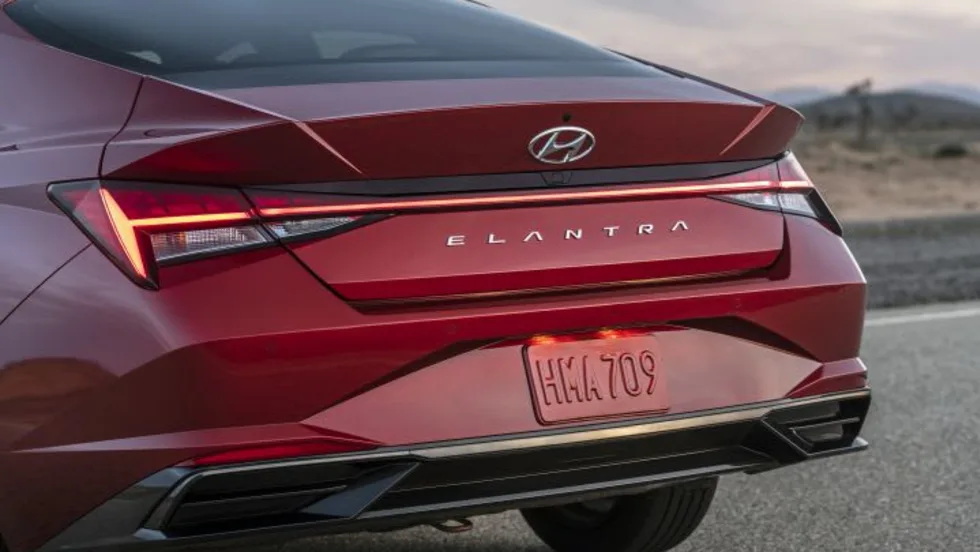
Used Lots Getting the Business
Many consumers are seeking out the units to save money, and the demand – higher in July than normal – is keeping supply limited and prices up.
Read More →
Used Market Stabilizes
The Carfax Used Car Index noted a major drop in used-vehicle price increases in July after several months of hikes.
Read More →