



AFSA Says TALF Doesn't Go Far Enough
The Department of the Treasury and the Federal Reserve Board today announced the launch of the Term Asset-Backed Securities Loan Facility (TALF), a component of the Consumer and Business Lending Initiative (CBLI). But although the TALF has the potential to generate up to $1 trillion of lending for businesses and households, one association said it doesn't go far enough.
WASHINGTON — On Tuesday, the Department of
the Treasury and the Federal Reserve Board announced the launch of the Term
Asset-Backed Securities Loan Facility (TALF), a component of the Consumer and
Business Lending Initiative (CBLI). But although the TALF has the potential to generate up to $1 trillion of lending for businesses and households, one association said it doesn’t go far enough.
While the TALF is
intended to revive the ABS markets by generating funding for creditors, the
American Financial Services Association said its restrictions will prevent many
auto finance companies from participating in the program.
“In particular, AFSA believes the TALF program must be expanded to permit eligibility for securities beyond those with an AAA rating,” said Chris Stinebert, AFSA's president/CEO. “Without additional changes, lenders will continue to face
funding challenges – and many potential borrowers may still find themselves unable to buy a car.”
The TALF is designed to catalyze the securitization markets by providing financing to investors to support their purchases of certain AAA-rated asset-backed securities (ABS). However, the AFSA said the TALF needs to be expanded to address floorplan financing.
“Of particular concern is the effect on floorplan financing,” Stinebert said. “Without an expansion of TALF’s eligibility requirements, 50 percent of floorplan ABS will be shut out of the program, creating a domino effect that will impact all
lenders and dealers.”
Under the terms of the announcement, the Federal Reserve Bank of New York will lend up to $200 billion to eligible owners of certain AAA-rated ABS backed by newly and recently originated auto loans, credit card loans, student loans, and SBA-guaranteed
small business loans.
Issuers and investors in the private sector are expected to begin arranging and marketing new securitizations of recently generated loans, and subscriptions for funding in March will be accepted on March 17, 2009. On March 25, 2009, those new
securitizations will be funded by the program, creating new lending capacity for additional future loans.
The program will
hold monthly fundings through December 2009 or longer if the Federal Reserve
Board chooses to extend the facility.
The Board
also released revised terms and conditions for the facility and a revised set
of frequently asked questions. The revisions include a reduction in the
interest rates and collateral haircuts for loans secured by asset-backed
securities guaranteed by the Small Business Administration or backed by
government-guaranteed student loans.
The modifications
are warranted by the minimal credit risk on these assets owing to the
government guarantees, and, by making the terms of the TALF loans more
attractive, they should encourage greater flows of credit to small businesses
and students.
The Federal
Reserve and Treasury currently anticipate that ABS backed by rental,
commercial, and government vehicle fleet leases, and ABS backed by small ticket
equipment, heavy equipment, and agricultural equipment loans and leases will be
eligible for the April funding of the TALF.
Other types of
securities under consideration include private-label residential
mortgage-backed securities, collateralized loan and debt obligations, and other
ABS not included in the initial rollout such as ABS backed by non-auto
floorplan loans and ABS backed by mortgage-servicer advances. As is the case
for the current categories of newly originated loans, the TALF will combine
public financing with private capital to encourage the private securitization
of loans in the asset classes eligible in the expanded program.
Additional details
of the TALF and the CBLI can be found at www.FinancialStability.gov.
Further information on the Federal Reserve's credit and liquidity programs is
available at
www.federalreserve.gov/monetarypolicy/bst.htm. The Treasury Department also
released a new white paper outlining efforts to unlock credit markets.
More F&I

Integrating Nontraditional F&I Products
The niche presents a strategic advantage for auto dealerships as they move to adapt to fast-changing consumer expectations in today’s market.
Read More →
Trust Is Personal
Technology, no matter how efficient, can’t replace what the human F&I manager can do, which is to bridge the divide between cyberspace and the in-store experience.
Read More →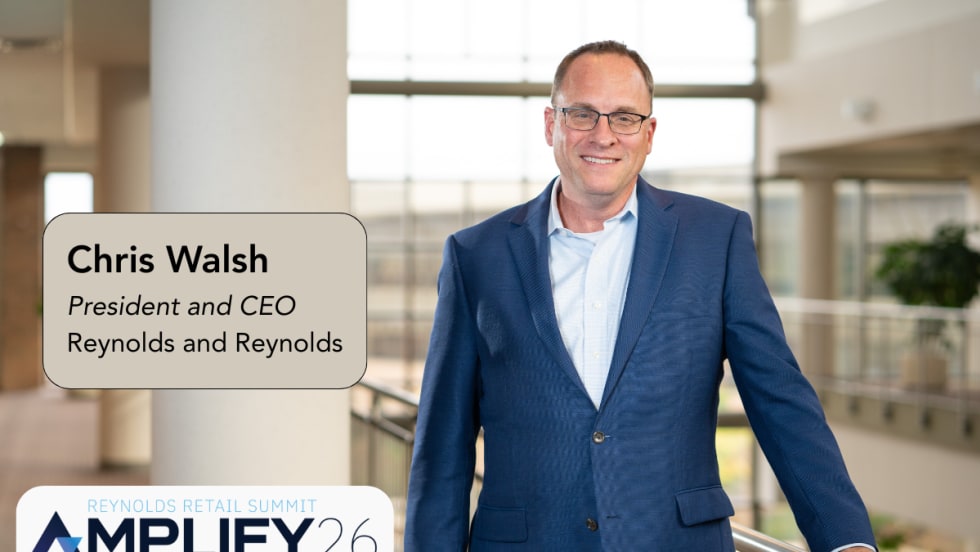
Amplify 2026 Billed as Turning Innovation Into Results
Reynolds and Reynolds says its annual retail summit will connect dealers with practical strategies, peer insight, and technology-driven ideas.
Read More →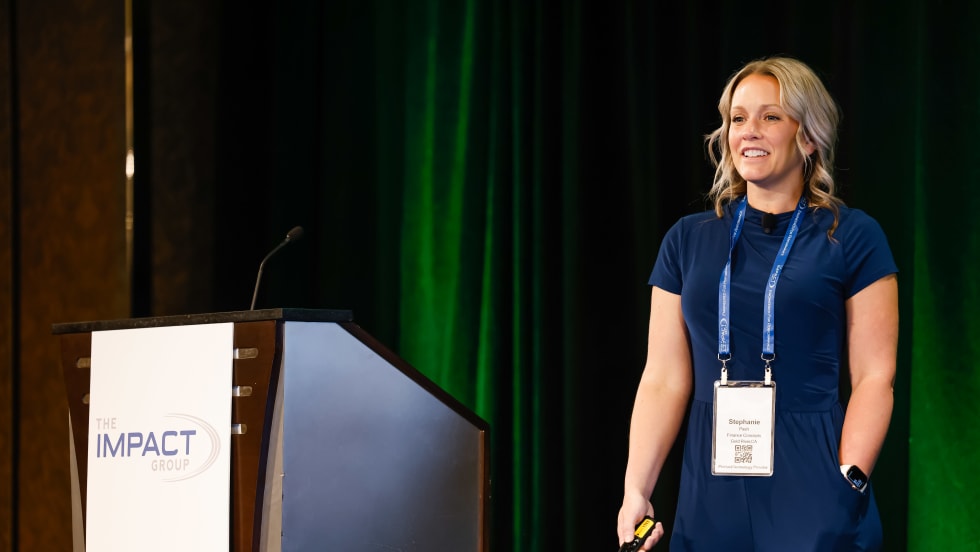
Own Your Outcome: F&I in the Digital Customer Journey
Finance has historically been the last step in the car-buying process, but it doesn’t have to be. The customer’s journey starts long before they arrive at the dealership, and so should F&I’s involvement.
Read More →
Tariffs Could Raise Insurance Premiums
As U.S. import tariffs affect repair costs, consumers might find it more affordable to replace a damaged vehicle, according to recent Insurify tariff analysis.
Read More →
Smaller Loans, Longer Terms
The youngest generation of car buyers is more likely to finance less expensive vehicles, more than half of generation Z consumers borrowing less than $25,000.
Read More →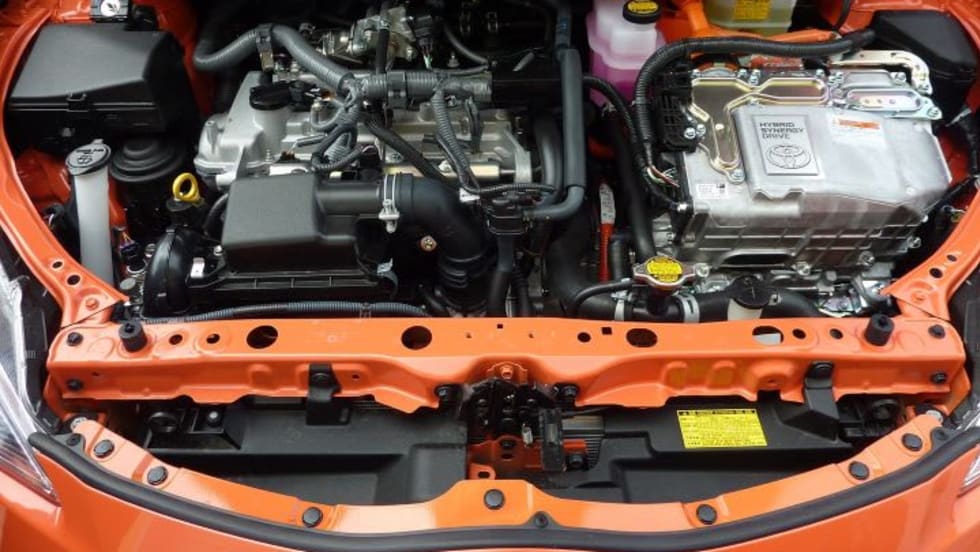
New Lifetime Battery F&I Product Meant to Drive Dealer Traffic
EFG Cos. offering is intended to create lifetime auto dealer engagement with customers.
Read More →
The Psychology Behind Menus That Increase Add-On Sales
There is a science to crafting a menu that gives customers confidence in the choices presented, and moving the process outside the F&I office can further boost results.
Read More →
Why Your F&I PVR Is Misleading You
Here’s a handy checklist of the numbers to track in 2026 instead.
Read More →
Auto Consumer Anxiety Presents Opportunity
A survey of U.S. drivers found the majority are concerned about finances and the economy, but those fears make many ready to buy vehicle-protection products.
Read More →