



Auto Lenders Say They Are Not Racially Biased
Nissan Motor Acceptance Corp.'s alleged unfair treatment of black customers in the United States is matched by some of its biggest rivals, said Gary Klein, a lawyer who represents people suing NMAC, the lending arm of automaker Nissan Motor Co.
The New York Times reported July 4 that NMAC's black customers paid more than whites for car loans. The Times based its claim on a study of more than 300,000 loans through Nissan dealers from March 1993 to September 2000. The difference was largest in Maryland and Wisconsin, where black customers paid on average $800 more in finance charges than white counterparts, according to the paper.
"We still have not had a chance to evaluate the study, but we have challenged previous studies that were put forth by plaintiff's attorneys," said Nissan spokeswoman Dierdre Dickerson. "We don't tolerate discrimination as a company."
The loan discrimination wasn't limited to any particular region and is a problem shared by other automakers, according to Klein.
"The discrimination appears to be uniform for any auto lender," Klein told Kay Inoue of Bloomberg News. "It seems to cross various age groups and cross various credit characteristics so when you compare blacks with good credit with whites with good credit, blacks pay more."
Under U.S. law, "lenders are responsible for the effects of their policies, so the policy itself is neutral but their effect is to discriminate," Klein said.
The New York Times report cited Toyota Motor Corp. as one of the other automakers facing similar fair-lending cases in court.
Toyota's policy is "to treat people without discrimination wherever we operate," said company spokesman Shigeru Hayakawa in Tokyo. Hayakawa added that he wasn't aware of the U.S. legal action and that no lawsuit had been filed against Toyota in Japan.
Ford Motor Co.'s financing arm, Ford Motor Credit Co., late last year was sued by four black motorists who alleged that the credit unit discriminated against them and others by charging too much to finance loans. The lawsuit claimed Ford dealers use a subjective mark-up policy to increase the cost of borrowing for blacks after first doing an objective credit analysis.
The lawsuit, filed in federal court in Manhattan, alleged the mark-up policy's negative effect on blacks was a direct result of Ford Motor Credit's policy.
"Credit policies are set according to objective loan criteria and race is not a component of that," said Dan Jarvis, a Ford Motor Credit spokesman. "We never know the race of the customer. We don't discriminate in lending and we have a zero tolerance for any form of discrimination." The Manhattan case is the only current racial-discrimination lawsuit against Ford Motor Credit, Jarvis said.
Allegations of similar methods that discriminate against black borrowers also have been brought against General Motors Acceptance Corp. (GMAC), the largest automaker's financing unit. The class-action suit in Tennessee is set to go to trial in early 2002.
"Our lending policies, they're legal, and we at GMAC don't know the race of any applicants, so there's no discrimination on the part of GMAC," said spokesman Jim Farmer.
More F&I

Integrating Nontraditional F&I Products
The niche presents a strategic advantage for auto dealerships as they move to adapt to fast-changing consumer expectations in today’s market.
Read More →
Trust Is Personal
Technology, no matter how efficient, can’t replace what the human F&I manager can do, which is to bridge the divide between cyberspace and the in-store experience.
Read More →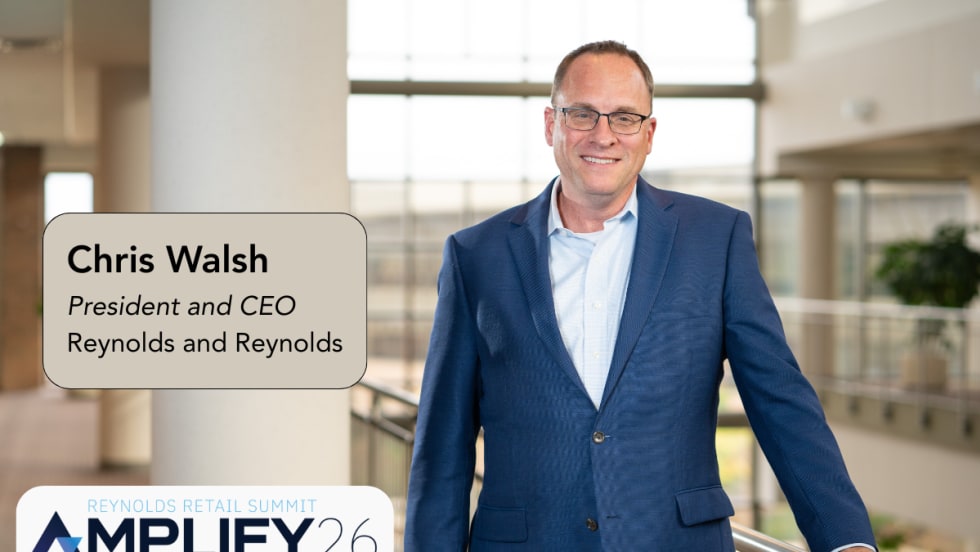
Amplify 2026 Billed as Turning Innovation Into Results
Reynolds and Reynolds says its annual retail summit will connect dealers with practical strategies, peer insight, and technology-driven ideas.
Read More →
Own Your Outcome: F&I in the Digital Customer Journey
Finance has historically been the last step in the car-buying process, but it doesn’t have to be. The customer’s journey starts long before they arrive at the dealership, and so should F&I’s involvement.
Read More →
Tariffs Could Raise Insurance Premiums
As U.S. import tariffs affect repair costs, consumers might find it more affordable to replace a damaged vehicle, according to recent Insurify tariff analysis.
Read More →
Smaller Loans, Longer Terms
The youngest generation of car buyers is more likely to finance less expensive vehicles, more than half of generation Z consumers borrowing less than $25,000.
Read More →
New Lifetime Battery F&I Product Meant to Drive Dealer Traffic
EFG Cos. offering is intended to create lifetime auto dealer engagement with customers.
Read More →
The Psychology Behind Menus That Increase Add-On Sales
There is a science to crafting a menu that gives customers confidence in the choices presented, and moving the process outside the F&I office can further boost results.
Read More →
Why Your F&I PVR Is Misleading You
Here’s a handy checklist of the numbers to track in 2026 instead.
Read More →
Auto Consumer Anxiety Presents Opportunity
A survey of U.S. drivers found the majority are concerned about finances and the economy, but those fears make many ready to buy vehicle-protection products.
Read More →