



Bank of America Quits Auto Leasing
Bank of America, the third-largest U.S. bank, on Aug. 15 announced it would quit auto leasing, calling it an unprofitable business due to low used-vehicle values -- "residuals," as they are known in the leasing business.
The bank, which loses an average of almost $2,000 on each vehicle it leases, will quit that business immediately.
According to Bank of America CEO Kenneth Lewis, leasing had a “volatile earnings stream” and had become “unattractive from a risk-reward standpoint.” Lewis said the bank’s leasing margins had fallen dramatically due to low used-vehicle values caused by economic conditions.
“We have said for some time that if a business cannot be configured to drive what we believe are consistent, attractive results, we would exit it,” Lewis said.
The Charlotte, N.C., bank says it plans to manage its current $9.7 billion lease portfolio over its remaining term.
Bank of America, which has about 495,000 auto leases on its books, becomes the latest major lender to join the leasing exodus, following GE Capital, First Union and a slew of smaller banks. Bank of America and Banc One Credit Company dramatically scaled back their auto lease portfolios late last year.
National City Corp. exited the auto leasing business in December 2000; KeyCorp made its exit in May and took a charge of $25 million.
Many analysts ascribe the leasing fallout to unrealistically high residual values set during the leasing boom of the late 1990s. Now that many of those vehicles are coming off lease at substantially lower values than predicted, many lenders are suffering major losses.
Thomas Marinelli, vice president of DaimlerChrysler AG's Chrysler-Jeep division, told Bloomberg News that Chrysler's U.S. dealers are finding it difficult to line up local banks to handle leases, a problem that has worsened in the last two months.
According to the Consumer Bankers Association’s 2001 Automobile Finance Study, the average loss for a full-term lease vehicle was $2,342 in 2000, up from $1,920 a year earlier. Average portfolio loss for 2000 was $2,532.
The study also stated that lessors reported a 95 percent increase in lease-end losses in 2000.
According to Bank of America, the leasing decision will not affect its auto loan business.
The bank also quit lending in the subprime real estate sector.
“We are committed to achieving consistent, above average shareholder returns and these actions are aimed at achieving that mission,” Lewis said.
The bank says it will liquidate its $26.3 billion subprime portfolio over the next seven to nine months.
The bank will take a $1.25-billion charge to earnings this quarter to exit the two unprofitable ventures.
More F&I
Integrating Nontraditional F&I Products
The niche presents a strategic advantage for auto dealerships as they move to adapt to fast-changing consumer expectations in today’s market.
Read More →
Trust Is Personal
Technology, no matter how efficient, can’t replace what the human F&I manager can do, which is to bridge the divide between cyberspace and the in-store experience.
Read More →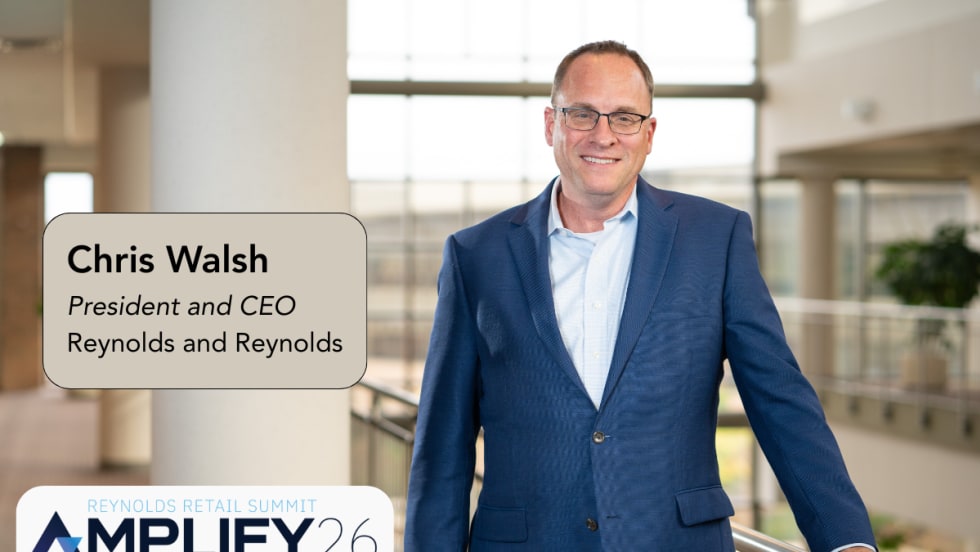
Amplify 2026 Billed as Turning Innovation Into Results
Reynolds and Reynolds says its annual retail summit will connect dealers with practical strategies, peer insight, and technology-driven ideas.
Read More →
Own Your Outcome: F&I in the Digital Customer Journey
Finance has historically been the last step in the car-buying process, but it doesn’t have to be. The customer’s journey starts long before they arrive at the dealership, and so should F&I’s involvement.
Read More →
Tariffs Could Raise Insurance Premiums
As U.S. import tariffs affect repair costs, consumers might find it more affordable to replace a damaged vehicle, according to recent Insurify tariff analysis.
Read More →
Smaller Loans, Longer Terms
The youngest generation of car buyers is more likely to finance less expensive vehicles, more than half of generation Z consumers borrowing less than $25,000.
Read More →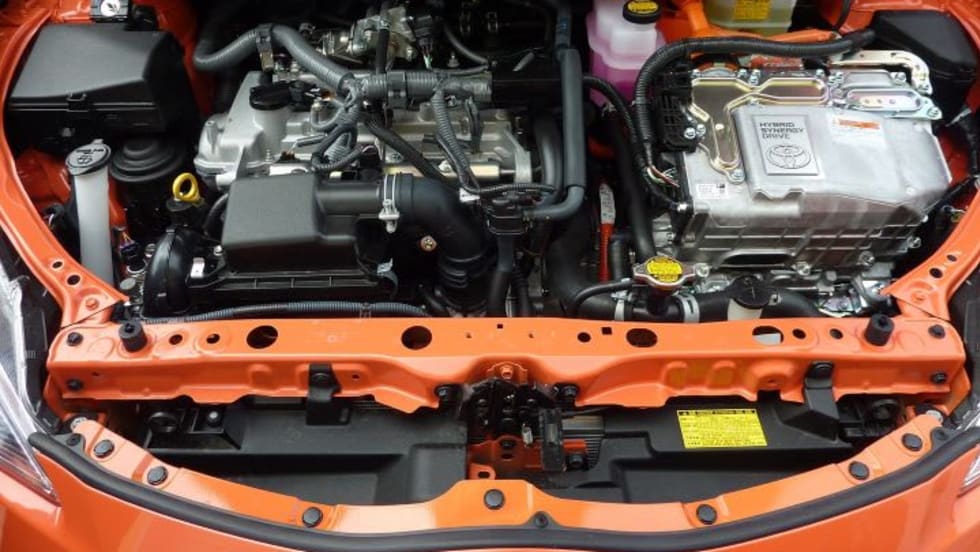
New Lifetime Battery F&I Product Meant to Drive Dealer Traffic
EFG Cos. offering is intended to create lifetime auto dealer engagement with customers.
Read More →
The Psychology Behind Menus That Increase Add-On Sales
There is a science to crafting a menu that gives customers confidence in the choices presented, and moving the process outside the F&I office can further boost results.
Read More →
Why Your F&I PVR Is Misleading You
Here’s a handy checklist of the numbers to track in 2026 instead.
Read More →
Auto Consumer Anxiety Presents Opportunity
A survey of U.S. drivers found the majority are concerned about finances and the economy, but those fears make many ready to buy vehicle-protection products.
Read More →