



Bezos-backed Rivian’s Meteoric Rise Represents a Fundamental Change in the Valuation of Automotive Stocks
The Rivian value debate demonstrates how investors can be split into two categories: those that make decisions based on recognizing future themes and those that invest based on traditional financial performance metrics

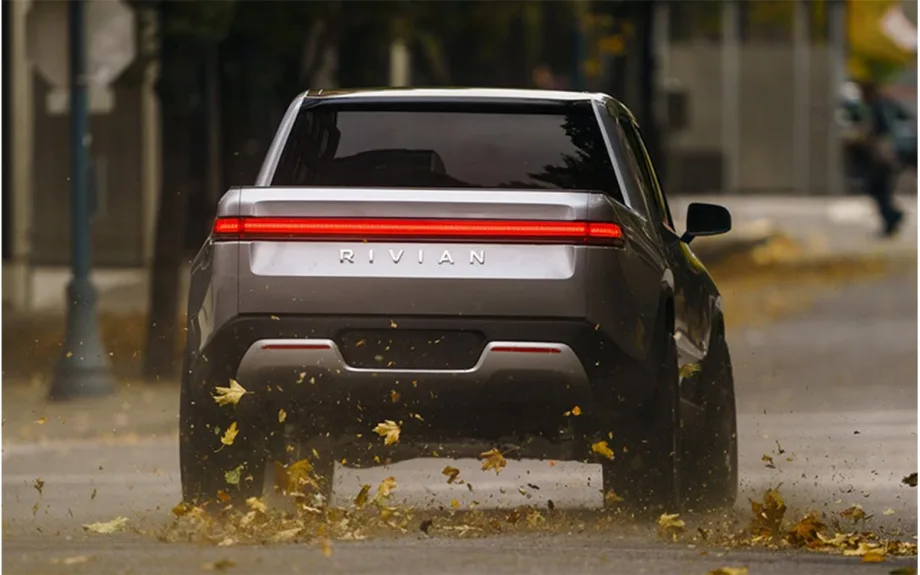
The Rivian value debate demonstrates how investors can be split into two categories: those that make decisions based on recognizing future themes and those that invest based on traditional financial performance metrics
GLOBAL DATA – Following the news that Rivian’s market cap climbed to more than $150 billion after being floated on the NYSE; Daniel Clarke, Thematic Analyst at GlobalData, a leading data and analytics company offers his view:
“It is a little absurd that Rivian has become the third-largest automaker by market cap without actually making any revenue. However, the need for EVs is both obvious and immediate. With Bezos’s backing, investors will believe that the future scale-up required to dominate the industry is possible. It is important to note that the concept of value in the stock market has shifted significantly in recent years and is increasingly contested. More traditional investors scorn Tesla and Rivian’s jaw-dropping market caps because of the huge gaps between their current revenue and their valuations. However, modern investors are betting on the future and considering how they expect these companies or technologies to dominate the industry when calculating their current value. Charismatic tech founders that can communicate a simple and obvious vision of the future will draw in the most capital from retail investors. This is true of Tesla, and it goes for Rivian, too - as well as founders in any industry where retail investors can easily understand the need for the core technology.”
Investment banks and retail investors both understand that electric vehicles (EVs) are the future of the automotive industry; and Jeff Bezos, a shareholder in both Amazon and Rivian, recognizes that Amazon must transition its delivery platforms to EVs. His backing of Rivian – which has signed a deal to supply Amazon with 100,000 vehicles - allows him to profit from both ventures.
Originally posted on Auto Dealer Today
More Auto Finance

Interest Rates Further Squeeze Auto Consumers
Last month’s hike and a potential second increase this month add to a growing list of inflation woes that could continue to dent overall car sales.
Read More →
Mind Your Process
Consistent steps taken in various aspects of the F&I office can make valuable differences over time, similar to an outline for a best-selling book.
Read More →
Top Five Credit Application Fraud Flags
Compliance audits regularly reveal bad habits that can lead to fraud charges and should have been stamped out decades ago.
Read More →
More Auto Loans for the Taking in August
Riskier categories were on the uptick for the month as lenders loosened access in several areas while balancing out the exposure in another, Cox Automotive reported.
Read More →
July Was Hot for Auto Borrowers
Credit proved readily available for many, but most loans left buyers in negative territory, Cox Automotive said.
Read More →
Dealer Lender Preferences Revealed
When lenders provide consistent, fast service, their overall satisfaction scores with dealers greatly improve, according to JD Power research.
Read More →
Auto Refi Savings Surge
Consumers with 84-month auto loan terms who refinanced saved the most on monthly payments, according to a new report by auto refinancing provider Caribou.
Read More →
Subaru Enters Lending Business
The automaker follows other brands in adding captive financing in the U.S., and says the move will strengthen its position here.
Read More →
Positive Equity Reaches Record High
Mainstream vehicle owners who bought a car seven years ago are likely to have positive equity when trading in for a new vehicle, according to second-quarter Edmunds data.
Read More →
Dealerships Are Paying the Price for Extended Car Loans
Growing negative-equity scenarios mean such lengthy terms should be addressed in a forward-looking way to make them work for the dealer and the consumer down the road.
Read More →