



Biden to Resurrect Obama-era Push to Green Auto Mileage Standards
President Joe Biden has proposed a return to aggressive Obama-era vehicle mileage standards over five years.

Screen Capture Business Leader
President Joe Biden has proposed a return to aggressive Obama-era vehicle mileage standards over five years, according to industry and government officials.
President Donald Trump had lowered tailpipe emissions standards.
His efforts also strive for tougher anti-pollution rules after that time to reduce greenhouse gas emissions and push 40% of U.S. drivers into electric vehicles (EVs) in 10 years.
The Administration should release the proposed rules from the Environmental Protection Agency and the Department of Transportation next week. They reflect the Biden Administration’s promise to address climate change while meeting auto industry pushes for a slower transition to EVs.
Biden aims to cut U.S. greenhouse gas emissions by at least half by 2030. The President cites the transportation sector as the largest contributor to climate change.
The new rules would begin with the 2023 car model year, applying California’s 2019 framework agreement on emissions standards reached with Ford, Volkswagen, Honda, BMW and Volvo, according to three officials speaking on the condition of anonymity. The California deal increases the mileage standard and cuts greenhouse gas emissions by 3.7% per year.
Requirements will ramp up in 2025 to Obama-era levels of a 5% annual increase in the mileage standard and a similar cut in emissions. The soar higher in model year 2026, possibly to 6% or 7%, officials say.
Environmental groups maintain the proposed rules do not go far enough. They had pushed for a more immediate return to Obama-era standards.
“We’re at the climate cliff, and the stakes are too high to aim low,” the Center for Biological Diversity writes in a full-page ad in The New York Times urging tough action. Dan Becker, director of the center’s Safe Climate Transportation Campaign, reportedly said the administration’s proposal is inadequate because it embraces two years of the California deal, which offered several exemptions.
In the proposed rule, the EPA may make a nonbinding statement that will ramp up requirements even faster starting in 2027. This will force the industry to sell more zero-emissions electric vehicles, officials said. The EPA is currently asking that 40% of all new car sales be EVs by 2030, according to officials.
Delaware Sen. Tom Carper, who chairs the Senate Environment and Public Works Committee, has urged banning the sales of new gasoline-powered passenger vehicles by 2035.
Obama-era rules required automakers to raise fuel economy 5% per year from 2021 through 2026. Trump reduced that to 1.5% annually. In 2019, five automakers—Ford, BMW, Honda, Volkswagen and Volvo—reached a deal with California to raise mileage by 3.7% per year.
Trump later repealed California’s legal authority to set its own standards, which the Biden administration strives to restore.
The Trump ruling required 29 miles per gallon (mpg) in “real world” stop and start driving by 2026, compared to the Obama administration rules that would have increased it to 37 mpg.
The California deal put vehicles in the 33 mpg range, according to environmental groups.
It isn’t clear if the Biden Administration will restore credits for selling electric vehicles. However, the move is likely since EVs are a cornerstone of its plan to fight climate change. Biden’s nearly $2 trillion infrastructure proposal includes 500,000 new charging stations for electric cars and trucks. He also has proposed tax credits and rebates to help spur sales.
Automakers have expressed their commitment to transition to all EV sales, though environmental groups are skeptical the companies will stick to their promises if consumers continue to favor gas-powered cars, which cost far less. A $3.5 trillion Senate spending bill proposes tax credits and other incentives for consumers that switch to electric vehicles.
The move comes as Americans buy record numbers of less-efficient pickup trucks and SUVs, which will make it harder for the industry to comply. Over three-quarters of U.S. new vehicle sales this year have been trucks, vans and SUVs, according to Edmunds.
Fully electric vehicles represent just 2% of new vehicle sales in the U.S.
Originally posted on Auto Dealer Today
More Showroom
California Sees Quarterly Gains
California’s new-vehicle market saw a boost in hybrids in the third quarter and its first overall quarterly market gain of the year.
Read More →
New-Vehicle Prices Stay Put
Affordability pressures and model availability shaped new-vehicle sales in September, according to an analysis by Kelley Blue Book.
Read More →
EV Buyer Consideration Shifts
What drives American consumers to purchase an electric vehicle is shifting as the question moves away from Should I?' to 'Which features and experience do I want to have?'
Read More →
Year-to-Date Auto Sales Holding Their Own
A forecast through August shows that automakers have shifted strategies to keep deliveries and revenues up despite tariffs and other economic challenges.
Read More →
Slow to Robo
Ten years of polling consumers shows autonomous vehicles’ profiles have risen considerably, but even more people now want at least some level of control if they go that route.
Read More →
Dealers a Little Down
A third-quarter Cox Automotive survey finds them in a mixed mood, bummed by fallen customer traffic but encouraged by better profits, costs and EV interest.
Read More →
European EV Sales Skyrocket
The EV market on the continent held strong in July with almost 25% of new-car sales being fully electric units, a stark contrast to the U.S., where EV sales declined about 42%.
Read More →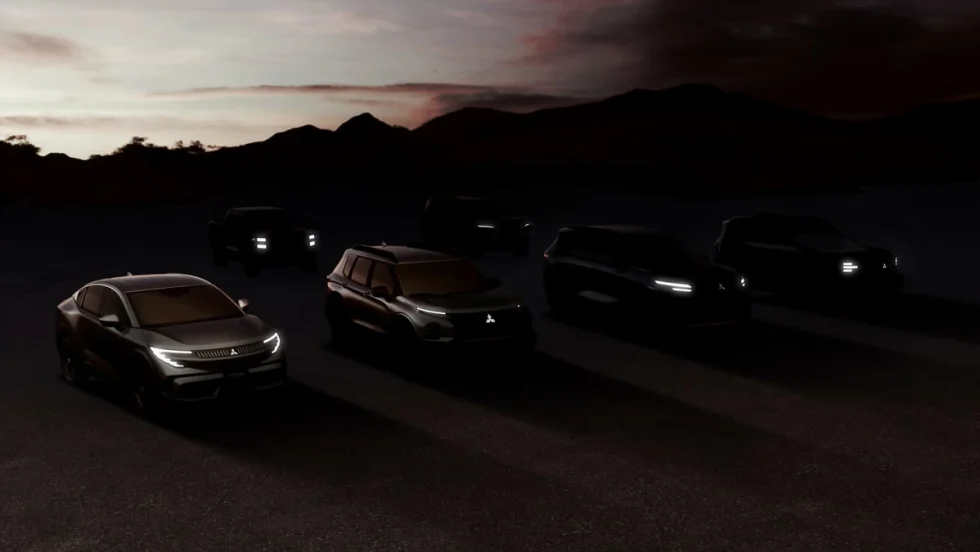
Mitsubishi Unveils U.S. Plan
The automaker announced a strategy that includes an expanded lineup and dealership presence, along with more ‘rugged’ and electric models.
Read More →
Used Lots Getting the Business
Many consumers are seeking out the units to save money, and the demand – higher in July than normal – is keeping supply limited and prices up.
Read More →
Used Market Stabilizes
The Carfax Used Car Index noted a major drop in used-vehicle price increases in July after several months of hikes.
Read More →