



Broken Vehicle Recall System Puts Unsuspecting Dealers at Risk
"Safety Recalls: State of the Retail Industry" details threats, opportunities for how automotive retailers handle vehicle safety recall management.

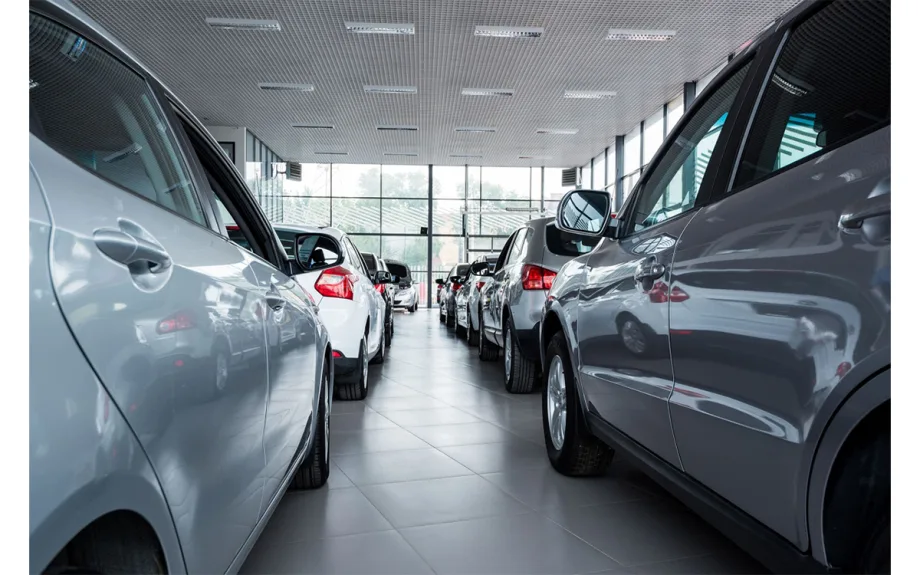
"Safety Recalls: State of the Retail Industry" details threats, opportunities for how automotive retailers handle vehicle safety recall management.
LAS VEGAS – Between 20% to 25% of all vehicles on the road have one or more open safety recall at any given time. However, government databases have an approximate 30% error rate, leading many auto dealers to unknowingly purchase and sell vehicles with open safety recalls. The findings were part of "Safety Recalls: State of the Retail Industry," a report released today by AutoAp, Inc., the industry's leading auto safety recall software company.
There have been more than 5,000 vehicle safety recalls since 2014, affecting millions of vehicles. Because many vehicles are covered by multiple recalls, the average vehicle on the road today has 1.2 recalls. Worse, often, there are lags between manufacturers assigning recalls onto vehicles and either the manufacturer or government publishing them for dealers to learn if their inventory is affected. In addition, human error often leads to misclassification of recalls, incorrect vehicle makes or incorrect model years through the government and manufacturers.
"Many automotive retailers do not realize how badly the safety recall ecosystem is broken," said Mark Paul, CEO of AutoAp. "This impacts dealerships of all sizes, brands and locations through liability and compliance issues, as dealers often buy and sell vehicles with open safety recalls and do not know it – through no fault of their own."
Many auto dealers continue to use manual processes to track open safety recalls, or worse, ignore the problem altogether due to the time-consuming, error-prone and delayed data. In addition to liability issues, dealers are often missing out on a valuable revenue stream as recall repairs are covered by manufacturer warranty reimbursements.
"Dealers simply cannot know whether or not vehicles have an open recall using their current methods," Paul said. "The best way to tackle this challenge is through an automated system that verifies VINs using advanced technologies and with multiple sources, on a nightly basis with minimal initial effort by dealers."
Paul urged dealers to take a handful of simple steps to get started.
Write a policy for the dealership or dealership group that spells out how the organization will handle open recall needs – and have everyone sign it;
Appoint one team member within the organization to oversee recall operations – with both the responsibility and authority in this critical area;
Implement an automated process to verify, monitor and report recalls;
Use daily reporting to identify open recalls and track repair status.
Dealers who follow these simple steps have significantly lower open recall rates among their inventory. Dealerships who develop a fully automated system reduce their open recall rates by nearly 90%.
In other findings:
Hawaii had the highest open rate at 23.4%; Delaware had the lowest at 5.6%;
Currently, only 44% of dealerships have a written safety recall management policy;
100% of dealers surveyed said staying in compliance was critical. Yet none of the dealers surveyed said they check their own inventory for safety recalls every day;
Government fleet vehicles have the highest open recall rate at nearly 36%.
More Compliance

Variations on a Theme – Lease Packing
Dealers must be careful they don’t run afoul of the law when it comes to such deceptive practices, as there are many cases pointing to the potential bad ends of such deals.
Read More →
Your 10-Point Compliance Checklist
Identify areas of concern and opportunities for training by updating, installing and enforcing a compliance checklist that requires specific actions for sales, F&I and accounting.
Read More →
A Continuing Antediluvian Dealer Fraud: Payment Packing
The longtime illegal practice, which can take many forms, can get a dealer and its employees in deep trouble. It’s a good idea to determine if anyone in your stores is doing it and to weed it out if so.
Read More →
Line 1 Is Not a Junk Drawer
Rolling products into the cash price — even if the bank told you to — misrepresents the vehicle’s value and runs afoul of four federal laws.
Read More →
Dueling Banjos in the Car Biz
Reports and accounts at variance show auto dealers’ trust profiles have risen in many consumers’ minds but that there remains a need for greater transparency by some.
Read More →
NADA and the Miracle on 34th Street
Automotive dealers should follow the National Automobile Dealers Association's consumer-friendly guidelines in order to minimize their legal risks.
Read More →
Another Look at a Recent Data Breach
Get caught up on the most pressing legal and regulatory matters facing dealers and F&I professionals, including data security, shotgun purchases, and inconsistent payment quotes.
Read More →

The Best Thing a Dealer Can Do to Avoid Legal Problems
Citing the issue is a strategy borrowed from the legal field itself.
Read More →