



Car Leases More Expensive As Banks Pull Back
A decline in new U.S. car sales and used-car prices this year has made it more difficult for banks to realize a profit on auto leases, prompting GE Capital, Bank of America, Bank One and other lenders to pull services from dealers.
That means higher leasing costs for buyers, who small dealers say will look for cheaper or used models, or lower rates offered by larger rivals.
General Motors, Ford and DaimlerChrysler — the "Big Three" automakers in the U.S. — will have to consider price breaks on new cars to buoy sales as lease rates rise, according to National Automobile Dealers Association (NADA) economist Paul Taylor.
"It's causing the perception of fewer options," Taylor said.
U.S. automakers have offered discounts as sales eased from a record pace last year in a slowing U.S. economy.
"The guy who had a $300 lease, heavily subsidized, on a Ford Explorer is now being asked to pay $450 to lease a new one," CNW Marketing/Research analyst Art Spinella said.
When a consumer leases a car at a dealership, the bank or the automaker's finance company in essence buys the car from the dealer and leases it to the customer. The dealer acts as a middleman without owning the car or truck.
The monthly payment is based on buyer credit risk, the car model and its estimated residual value when the lease expires. When the lease ends, owners may turn the car in to the bank or finance company with no other obligation, assuming excessive wear and tear isn't a factor.
The finance company then sells the car at auction to a used-car dealer. If the finance company gets less than initially expected, it's called a residual loss.
Residual losses typically worsen as sales slow and vehicle supply outpaces demand. Residual losses on lease values this year are projected to be about $1,575, or 12 percent higher than last year, according to CNW Marketing/Research estimates.
The losses are pushing banks from the business. Bank of America, which has about 495,000 auto leases, has said that it would stop that financing. National City quit leasing cars in December, and KeyCorp left the business in May.
The value of auto leases peaked in 1999 at $120.9 billion and will slide to about $116.1 billion this year, Spinella estimates. About 27.5 percent of cars sold in the U.S. this year will be leased, down from 29.6 percent in 1999.
Analysts say the situation isn't likely to get better for auto dealers or car buyers because banks that stay in the business are getting better at estimating residual car values and taking fewer risks. Monthly payments will probably be higher no matter who finances the lease, according to NADA's Taylor.
"Lease payments are turning out to be $100 higher now than they were on the same vehicle in the past," Taylor said. "It can be more than $100-a-month difference on a fully equipped sport utility."
For dealers, the risks aren't distributed equally. Dealers in smaller markets are likely to face bigger challenges from the shortage of lenders because they have fewer banks to draw from.
Dealers say they lose sales if his lease rates are higher than those at the rival showroom down the street, and if those rates aren't in line with payments on a buyer's last car or truck.
Major automakers offer their leases and financing through their captive finance arms. Often the automakers will subsidize their finance units to help them offer consumers lower rates than those offered by banks.
Wells Fargo and some other banks are still willing to take some of the risk, working with dealers on some sales — often to consumers with lower credit ratings.
When Chrysler dealers complained about fewer leasing options, the automaker recently teamed up with Chase Auto Finance to provide an alternative to DaimlerChrysler Services.
For now, the automakers' finance units are willing to pick up much of the slack as banks leave. That will mean relying on subsidies from corporate parent Ford or even boosting rates if sales don't pick up — in other words, acting like a bank.
No matter the changes, leasing will go on — with car buyers paying more and dealers working harder to find a variety of leasing rates for customers, according to industry analysts.
More F&I

Integrating Nontraditional F&I Products
The niche presents a strategic advantage for auto dealerships as they move to adapt to fast-changing consumer expectations in today’s market.
Read More →
Trust Is Personal
Technology, no matter how efficient, can’t replace what the human F&I manager can do, which is to bridge the divide between cyberspace and the in-store experience.
Read More →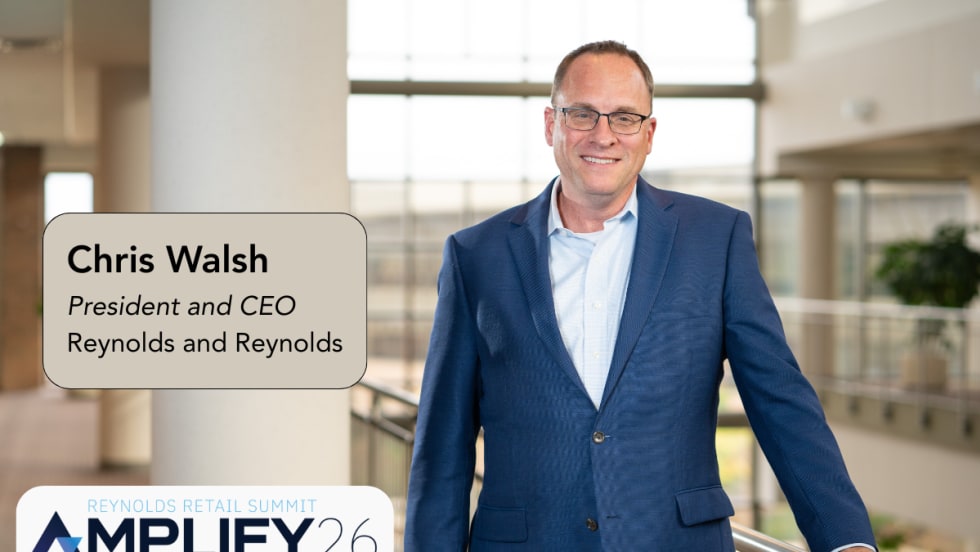
Amplify 2026 Billed as Turning Innovation Into Results
Reynolds and Reynolds says its annual retail summit will connect dealers with practical strategies, peer insight, and technology-driven ideas.
Read More →
Own Your Outcome: F&I in the Digital Customer Journey
Finance has historically been the last step in the car-buying process, but it doesn’t have to be. The customer’s journey starts long before they arrive at the dealership, and so should F&I’s involvement.
Read More →
Tariffs Could Raise Insurance Premiums
As U.S. import tariffs affect repair costs, consumers might find it more affordable to replace a damaged vehicle, according to recent Insurify tariff analysis.
Read More →
Smaller Loans, Longer Terms
The youngest generation of car buyers is more likely to finance less expensive vehicles, more than half of generation Z consumers borrowing less than $25,000.
Read More →
New Lifetime Battery F&I Product Meant to Drive Dealer Traffic
EFG Cos. offering is intended to create lifetime auto dealer engagement with customers.
Read More →
The Psychology Behind Menus That Increase Add-On Sales
There is a science to crafting a menu that gives customers confidence in the choices presented, and moving the process outside the F&I office can further boost results.
Read More →
Why Your F&I PVR Is Misleading You
Here’s a handy checklist of the numbers to track in 2026 instead.
Read More →
Auto Consumer Anxiety Presents Opportunity
A survey of U.S. drivers found the majority are concerned about finances and the economy, but those fears make many ready to buy vehicle-protection products.
Read More →