



Chrysler Speeds Up Introduction of Regional Business Center Program
Chrysler Group has announced that it will reorganize its field operations from January 1, adding three Regional Business Centres (RBCs), replacing the current zone office structure.
According to the company, the move is designed to more closely align the field organization with the company's corporate sales and brand marketing team structure and improve communications between the company's Auburn Hills headquarters, field organization and dealers.
"The market requirements for selling trucks in Texas are different from those in New York, so why should we try to apply a national sales and marketing approach equally to both of the regions?" said Chrysler sales chief Gary Dilts.
"We'll give the regional business center management the resources necessary to make the smart decisions in order to respond quickly to local market demands. They'll be responsible for managing significant advertising, incentive, product and distribution decisions."
The business centers will have their own finance, legal, marketing, parts & service, fleet, customer relations, training and warranty staff.
"The restructuring of our field organization is being done in an effort to more directly service our dealers and their local markets," said Dilts. "The resulting organization will be leaner, faster and more responsive."
DaimlerChrysler opened its current network of five regional centers in March 2001, located in Detroit, New York, Los Angeles, Orlando, Florida, and Dallas. The expanded network will add offices in Chicago; Washington, D.C.; and Denver and absorb staff from the 24 zone offices.
Chrysler Group anticipates operational savings from the consolidation of facilities and other fixed assets. The company has offered relocation and continued employment in a regional business center to all affected zone office employees.
More F&I

Integrating Nontraditional F&I Products
The niche presents a strategic advantage for auto dealerships as they move to adapt to fast-changing consumer expectations in today’s market.
Read More →
Trust Is Personal
Technology, no matter how efficient, can’t replace what the human F&I manager can do, which is to bridge the divide between cyberspace and the in-store experience.
Read More →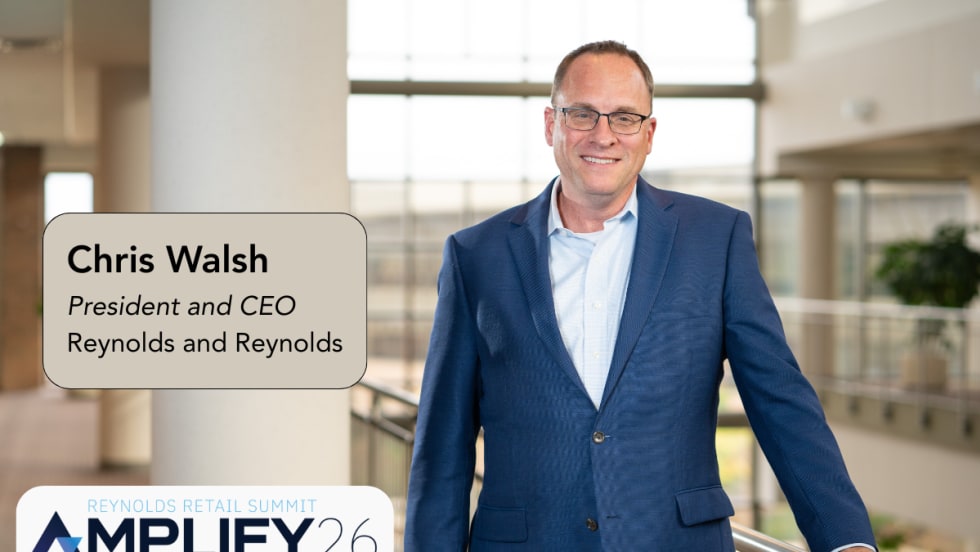
Amplify 2026 Billed as Turning Innovation Into Results
Reynolds and Reynolds says its annual retail summit will connect dealers with practical strategies, peer insight, and technology-driven ideas.
Read More →
Own Your Outcome: F&I in the Digital Customer Journey
Finance has historically been the last step in the car-buying process, but it doesn’t have to be. The customer’s journey starts long before they arrive at the dealership, and so should F&I’s involvement.
Read More →
Tariffs Could Raise Insurance Premiums
As U.S. import tariffs affect repair costs, consumers might find it more affordable to replace a damaged vehicle, according to recent Insurify tariff analysis.
Read More →
Smaller Loans, Longer Terms
The youngest generation of car buyers is more likely to finance less expensive vehicles, more than half of generation Z consumers borrowing less than $25,000.
Read More →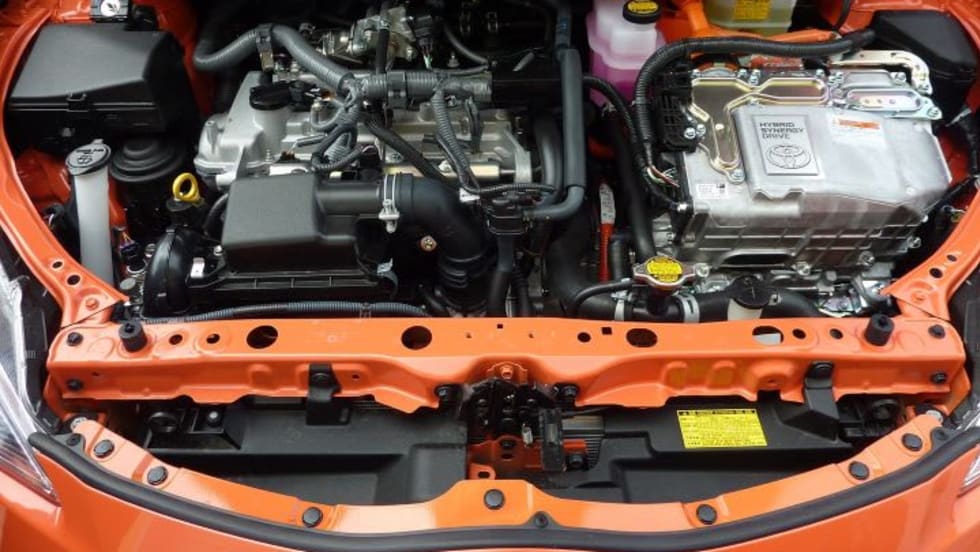
New Lifetime Battery F&I Product Meant to Drive Dealer Traffic
EFG Cos. offering is intended to create lifetime auto dealer engagement with customers.
Read More →
The Psychology Behind Menus That Increase Add-On Sales
There is a science to crafting a menu that gives customers confidence in the choices presented, and moving the process outside the F&I office can further boost results.
Read More →
Why Your F&I PVR Is Misleading You
Here’s a handy checklist of the numbers to track in 2026 instead.
Read More →
Auto Consumer Anxiety Presents Opportunity
A survey of U.S. drivers found the majority are concerned about finances and the economy, but those fears make many ready to buy vehicle-protection products.
Read More →