



Cox: Mobility Will Reduce Dealership Count
A Cox Automotive survey found that dealers are even more certain than consumers that emerging trends will reduce vehicle sales, but few believe mobility will bring about the end of the current auto retail model.


Illustration by Mohamed Hassan via Pixabay
ATLANTA — Auto dealers and consumers are more closely aligned on the future of mobility than many industry experts might imagine with both expecting significant reductions in personal vehicle ownership, according to new research from Cox Automotive.
In fact, analysts said, dealers are predicting an even sharper decline in ownership than consumers in the next five years (28% versus 18%). However, while most of the dealers surveyed appeared to recognize this eventual reality, only one in 10 see mobility as a threat to their current business, according to the second phase of the 2018 Cox Automotive Evolution of Mobility Study: “A Dealer’s Perspective.”
In the latest chapter of Cox Automotive’s three-part study series, an online survey was conducted with 430 franchised and independent automotive dealers in the U.S. The first phase of the Cox Automotive Evolution of Mobility Study, released in August 2018, focused on consumer perceptions of Alternative Ownership and Autonomous Vehicles. Among the findings:
• Strong growth is expected in alternatives to traditional ownership. Like any industry undergoing transformation, consumer acceptance over time is often the key driver. While still in its infancy, mobility is no different. In the next 10 years, nearly half (47%) of dealers see consumers owning or leasing fewer vehicles per household as a direct result of the increasing number of mobility options and the introduction of autonomous vehicles to the mass market.
Ride-hailing (87%) is predicted by dealers to see the most growth, followed by car subscriptions (82%), car-sharing (81%) and autonomous vehicles (81%).
• New forms of mobility are seen as an opportunity, not a threat. With dealers challenged by declining new-car sales and margin compression, 45% say they see new shared mobility models, such as ride-hailing, car-sharing and car subscriptions, as new revenue streams. Three out of four dealers see a benefit in offering these shared services at their dealerships, with 40% viewing mobility as an opportunity to appeal to a new consumer base. More than half (59%) also believe fixed operations will play a more important role with vehicles used for ride-hailing and car-sharing logging more miles and requiring more service.
Any hesitancies by the dealers surveyed toward these new mobility solutions are due to the uncertainty surrounding operations rather than rejection of the models themselves. This includes knowledge of how to set these services up, outside support to get these services off the ground and the overall cost benefit.
“Dealers are approaching the evolving mobility landscape with their eyes wide open,” said Joe George, president of Cox Automotive Mobility. “While traditional car ownership isn’t going away anytime soon, we’re focused on enabling dealers with innovative consumer mobility and shared fleet service solutions to keep their businesses relevant.”
• The current dealership model will change, but it won’t go away. Even with the shift from traditional ownership to usage and a more personalized “one-to-many” design of on-demand transportation, 72% of dealers do not view these mobility trends as the end of the dealership model. However, they do believe the number of dealerships in operation will be impacted, with 57% of the dealers surveyed saying there will be a need for fewer dealerships 10 years from now.
More Showroom
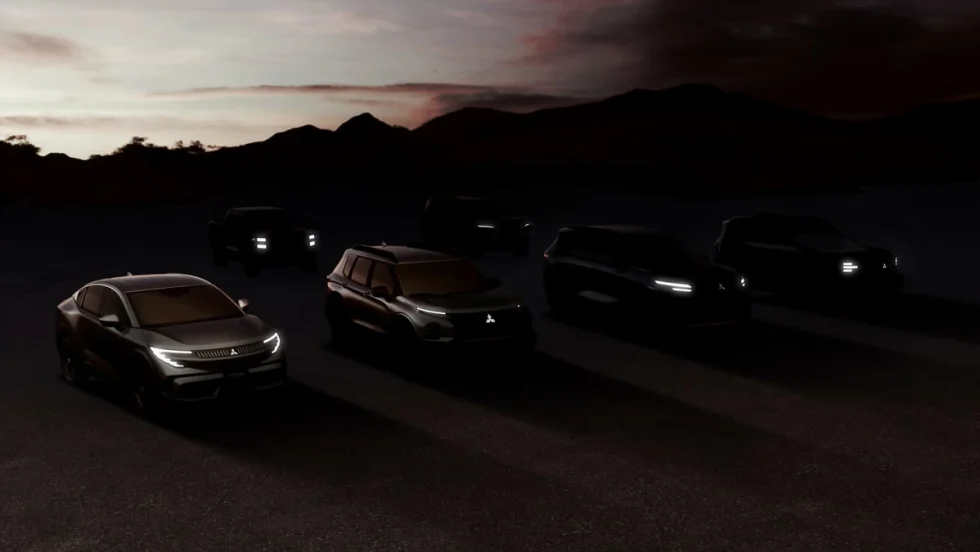
Mitsubishi Unveils U.S. Plan
The automaker announced a strategy that includes an expanded lineup and dealership presence, along with more ‘rugged’ and electric models.
Read More →
Used Lots Getting the Business
Many consumers are seeking out the units to save money, and the demand – higher in July than normal – is keeping supply limited and prices up.
Read More →
Used Market Stabilizes
The Carfax Used Car Index noted a major drop in used-vehicle price increases in July after several months of hikes.
Read More →
California Hybrids Reach State Record
The Golden State still leads the country in electric-vehicle registrations, but much like the rest of the U.S. its hybrid market share is up while full electrics stabilize after a dramatic first-quarter dip.
Read More →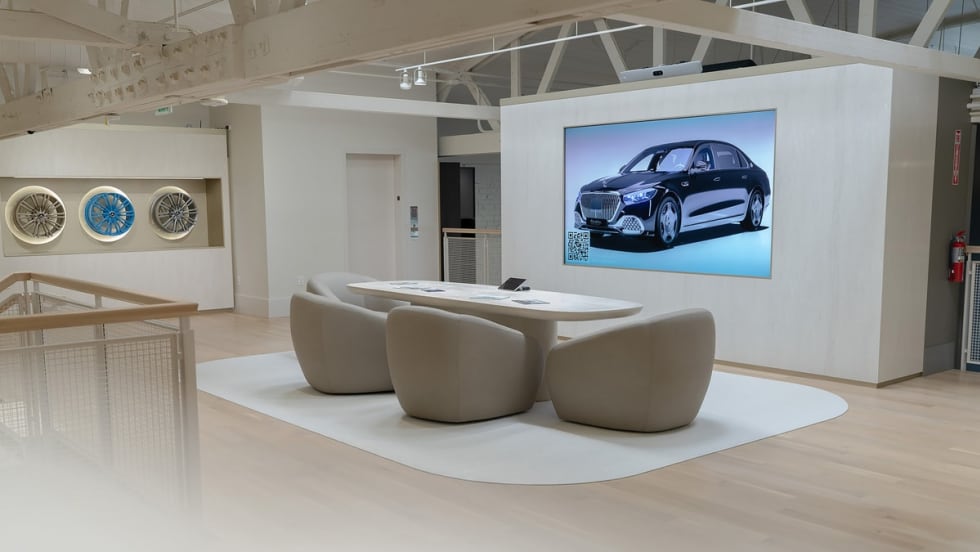
My Mercedes in the U.S.
The German brand debuted its studio dealership concept for the first time in the states in Los Angeles, tapping Americans’ penchant for creative distinctions.
Read More →
Used Sales Hit Summer Drag
The vacation season, combined with high prices, has dented deliveries and added to inventories, though supply is still slim enough to keep listings elevated.
Read More →
California Launches EV Rebate Program
Participating automakers are matching the state's $13.5 million investment in new electric-vehicle rebates scheduled to take effect later this summer.
Read More →
OEM Poll Sees Industry Evolution
Kerrigan Advisors’ survey of automakers finds that tariffs, technology, network tightening and other factors are poised to reshape auto retail.
Read More →
The Trade-In Paradox
Retailing older cars with confidence in today’s market is a matter of establishing and following a clear process that can turn greater profit for auto dealers as they aim to meet used-unit hunger.
Read More →
Focus on Vehicle Cabins
The market for interior materials will grow in coming years as automakers look to meet consumer demand while staying competitive with changeups to sourcing and included features.
Read More →