



Customer Satisfaction Grows Slowly in the Recovery
Consumers cautious on buying and are finding an alternative-fuel vehicle middle ground.


Toyota has focused on its hybrids, and it's paying off with its No. 1 mass-market standing in a tie with Subaru.
Toyota
Auto customer satisfaction improved slightly in the latest American Customer Satisfaction Index for the sector, though the mass-market and luxury scores were flat.
The study’s authors noted that though industry conditions have rebounded for consumers after the pandemic, economic pressures are tempering the recovery.
“Inflation poses challenges and there are real concerns over new vehicles becoming outdated quicker because of how fast technology evolves,” said Forrest Morgeson, the index’s director of research emeritus and associate professor of marketing at Michigan State University. “Plus, factors like economic uncertainty and range anxiety around electric vehicles contribute to this hesitation.”
The index bump of 1% to a score of 80 out of a possible 100 came from smaller automakers, as the mass-market and luxury scores were flat.
In the mass-market segment, Subaru tied with Toyota for first place in customer satisfaction with a score of 83 as Toyota fell faced challenges with its handling of complaints.
A tie also topped the luxury segment ranking between Mercedes and Tesla, which also both had an 83 index score after Mercedes climbed 4%, buoyed by customer satisfaction with its hybrids.
Speaking of hybrids, the study found that those who drive them have more satisfaction with their models than those who drive gas-powered or purely electric vehicles, posting an 82 index score compared to their 80 and 77, respectively.
“The surge in hybrid vehicle sales over the past year is a clear indication that consumers are seeking a balance between environmental consciousness and practical needs,” Morgeson said.
Originally posted on Auto Dealer Today
More Industry
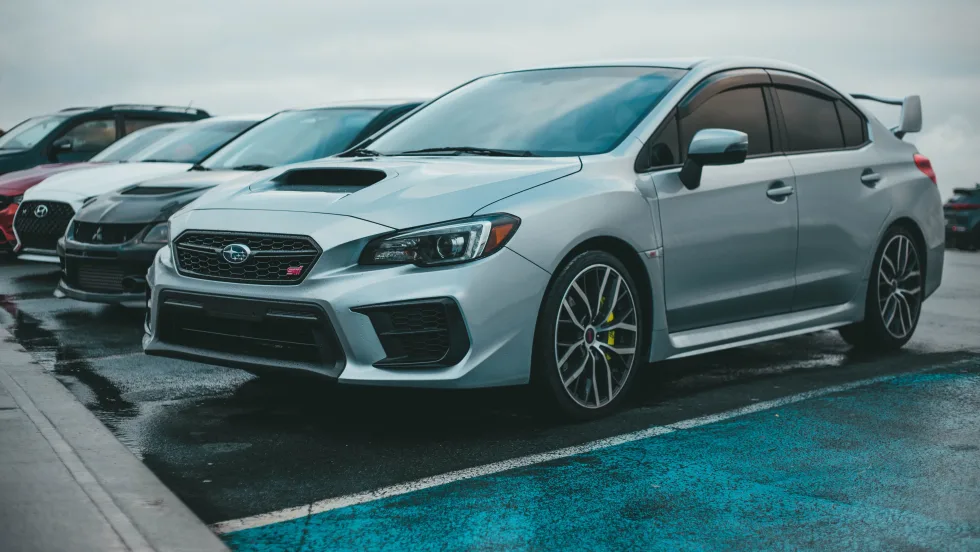
New-Vehicle Prices Stay Put
Affordability pressures and model availability shaped new-vehicle sales in September, according to an analysis by Kelley Blue Book.
Read More →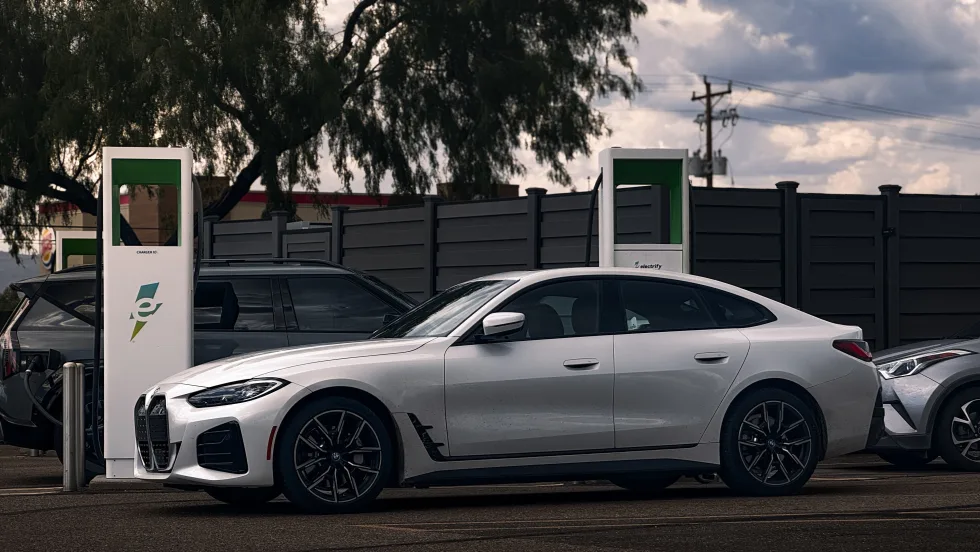
EV Buyer Consideration Shifts
What drives American consumers to purchase an electric vehicle is shifting as the question moves away from Should I?' to 'Which features and experience do I want to have?'
Read More →
Auto Nameplate Loyalty Holds in Tough Times
Consumers have been faithful to brands despite financial pressures, and JD Power says that’s because automakers have made some wise moves.
Read More →
Top New Jersey RV Store Sells
Myer’s RV Superstore is expanding its footprint in the state with two new locations that it acquired from Ed Hutchinson Jr.
Read More →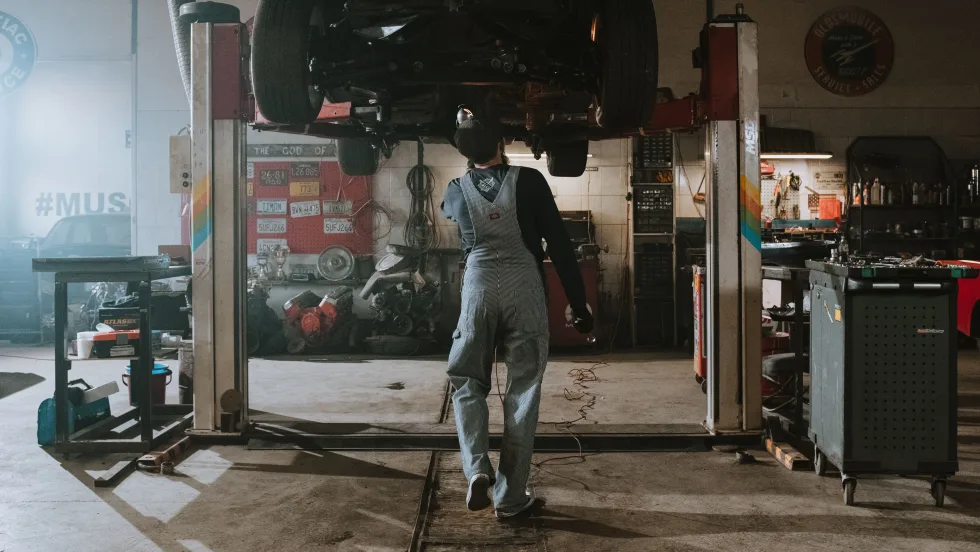
Alliance Analyzes Technician Pipeline
A new industry report examines the state of skilled trades in the U.S. and details the drivers of demand for automotive repair and how technicians enter and grow in the workforce.
Read More →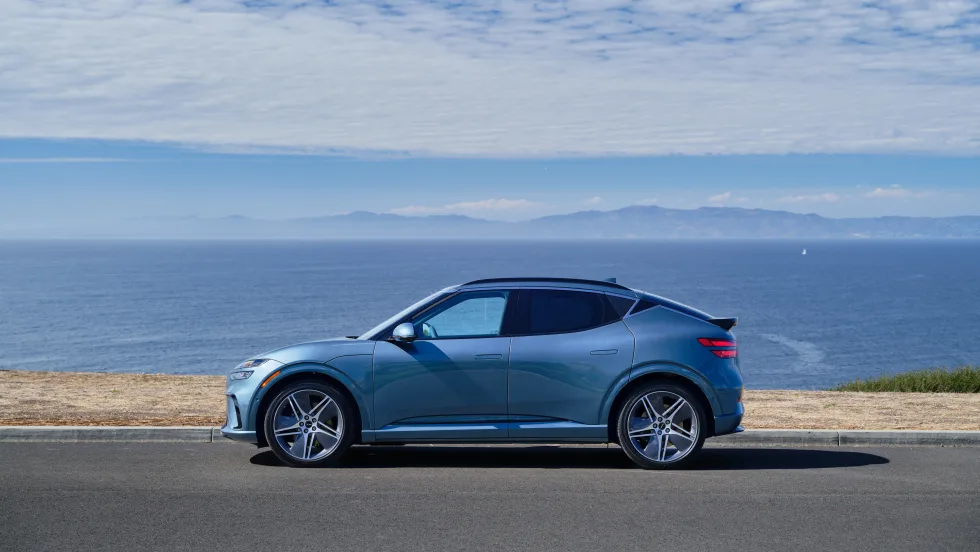
Luxury Rooftop Changes Hands
Genesis of Glenview is getting a new owner and a new location, but its name will stay the same.
Read More →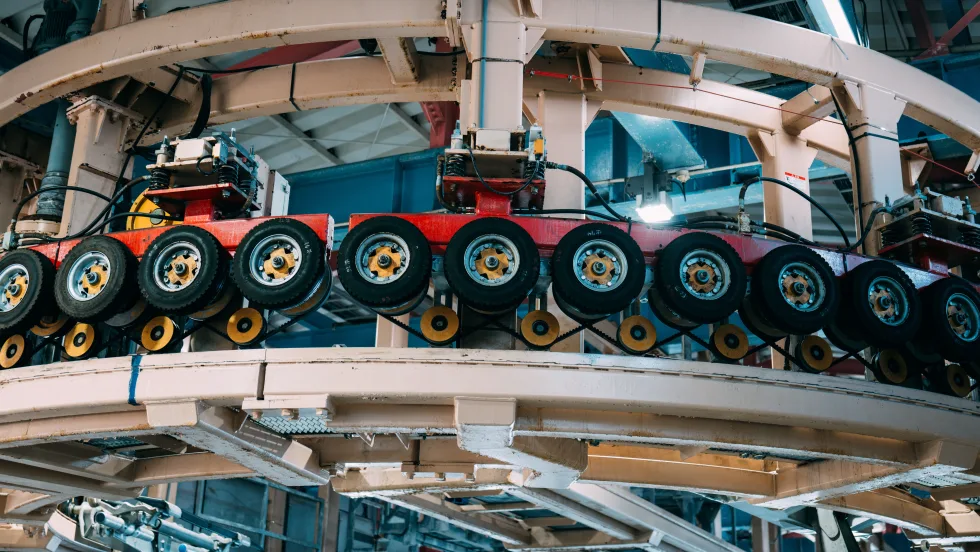
Future-Proof Your Business
A new industry outlook details several ways that automotive companies can use the rise in artificial intelligence and advanced technologies to their advantage.
Read More →
Dealership Buy-Sells Keep Going Up
First-half transactions reflect continued high appetite for acquisitions despite falling profits, the most sought-after franchises bringing record prices.
Read More →
California Makes Electric Moves
New laws in the Golden State aim to advance consumer access to public electric-vehicle chargers and reduce costs and barriers to its infrastructure.
Read More →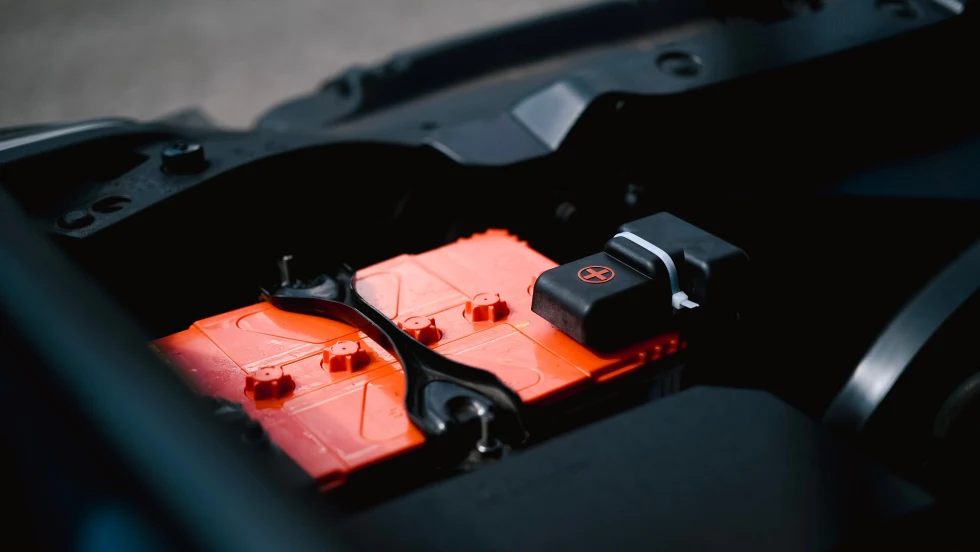
Rare Earths Independence
Automakers seek alternatives to sourcing battery raw materials in volatile markets roiled by trade wars and disrupted supply chains.
Read More →