



Cyber Risks Span Systems
VicOne found that 33% of observed cyber risk now directly impacts driver-facing systems, such as infotainment, network and embedded software, and leading to greater customer impact.


Hidden issues, often called “zero-days,” are security flaws that haven’t been publicly reported yet and account for 11% of automotive cyber risks.
Canva
A recent study found that automotive cyber risks are evolving to impact entire organizations rather than individual systems.
The VicOne Automotive Cybersecurity Report indicates that in 2025 cross-region, multibusiness incidents more than tripled year-over-year to account for 161 out of the 610 recorded cyber incident cases.
Cyber attackers still target enterprise IT systems but are now extending their attacks to user-facing integration layers. Now, 33% of observed cyber risks directly impact driver-facing systems, like infotainment and network connections.
The findings point to a necessary shift in cyber-risk governance, according to the automotive cybersecurity company.
“In the Overlap Era, vehicles, cloud platforms, and enterprise IT systems function as a single operational fabric,” said VicOne CEO Max Cheng. “Governing these environments as isolated silos is no longer sustainable. Cybersecurity has become a board-level accountability issue.”
VicOne defines the Overlap Era as a period when traditional vehicle platforms remain in service globally at the same time that software-defined vehicles, cloud connected ecosystems and artificial intelligence-enabled features are being rapidly deployed. The new era of cyber risk directly affects operations continuity, brand trust and executive accountability, according to the report.
“Organizations need the ability to continuously recalculate risk by integrating threat intelligence, operational telemetry, and exposure data," VicOne said. "This creates a shared, up-to-date view of risk that supports informed prioritization as conditions change.”
Looking ahead, VicOne predicts that ransomware could cause fleet-level “operational paralysis” and that a single over-the-air breach could affect an entire fleet and cause mass recalls if not handled swiftly and efficiently.
More Industry
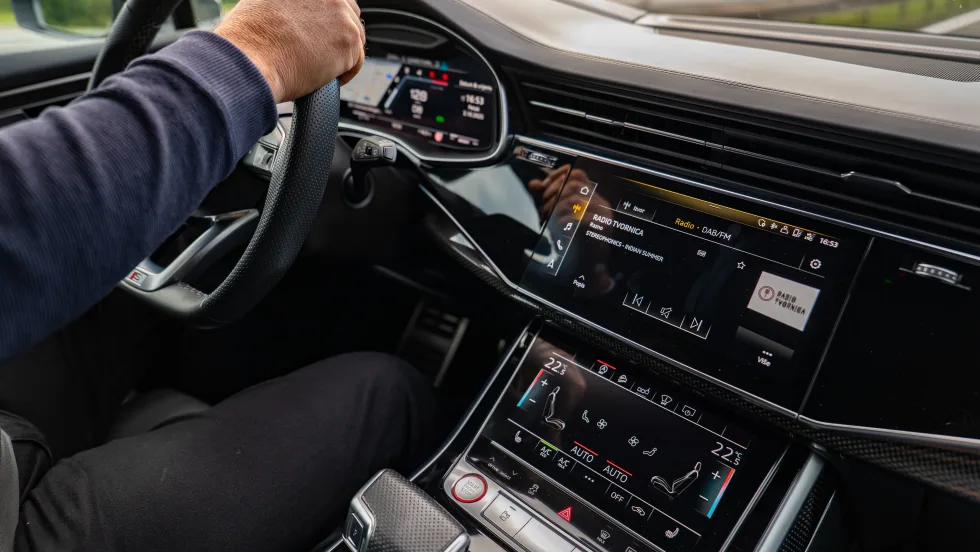
Connection Drives Consideration
Convenience and safety are top priorities for American drivers when it comes to connected vehicles and the services they expect with their next car.
Read More →
New-Vehicle Prices Stay Put
Affordability pressures and model availability shaped new-vehicle sales in September, according to an analysis by Kelley Blue Book.
Read More →
EV Buyer Consideration Shifts
What drives American consumers to purchase an electric vehicle is shifting as the question moves away from Should I?' to 'Which features and experience do I want to have?'
Read More →
Auto Nameplate Loyalty Holds in Tough Times
Consumers have been faithful to brands despite financial pressures, and JD Power says that’s because automakers have made some wise moves.
Read More →
Top New Jersey RV Store Sells
Myer’s RV Superstore is expanding its footprint in the state with two new locations that it acquired from Ed Hutchinson Jr.
Read More →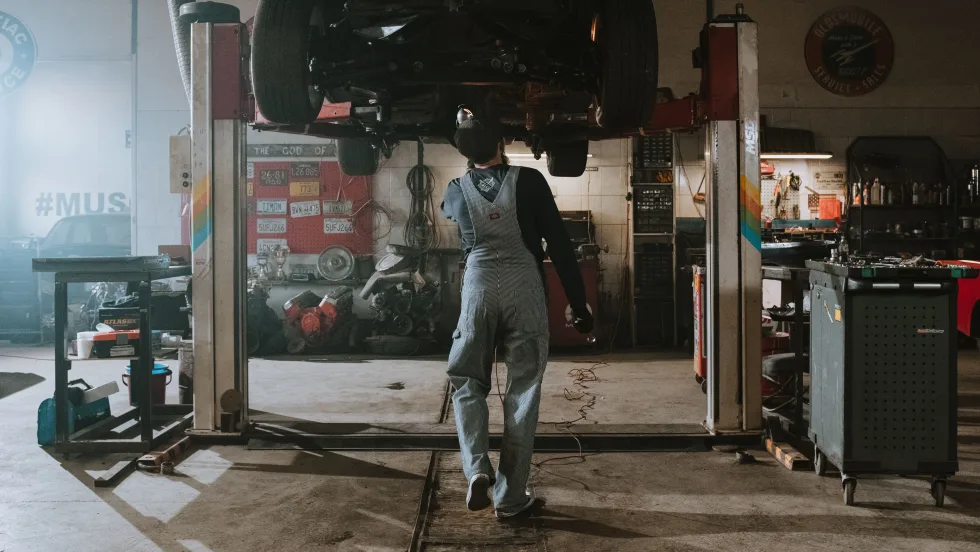
Alliance Analyzes Technician Pipeline
A new industry report examines the state of skilled trades in the U.S. and details the drivers of demand for automotive repair and how technicians enter and grow in the workforce.
Read More →
Luxury Rooftop Changes Hands
Genesis of Glenview is getting a new owner and a new location, but its name will stay the same.
Read More →
Future-Proof Your Business
A new industry outlook details several ways that automotive companies can use the rise in artificial intelligence and advanced technologies to their advantage.
Read More →
Dealership Buy-Sells Keep Going Up
First-half transactions reflect continued high appetite for acquisitions despite falling profits, the most sought-after franchises bringing record prices.
Read More →
California Makes Electric Moves
New laws in the Golden State aim to advance consumer access to public electric-vehicle chargers and reduce costs and barriers to its infrastructure.
Read More →