



Daewoo Close to Folding U.S. Sales Arm; AIADA Urges GM to Protect Daewoo Consumers, Dealers
Korea's Daewoo Motors appears close to selling its last car in the United States, three-and-a-half years after entering the market, according to Reuters.
General Motors' April 29 agreement to buy key assets of the bankrupt Daewoo, after protracted and contentious negotiations, did not include the U.S. sales unit Daewoo Motors of America, threatening the future of its 525 U.S. dealers and thousands of employees.
However, GM said that provisions have been made to ensure that the warranties on Daewoo vehicles
sold in North America will be honored. The Detroit automaker also left open the possibility of importing Korean-made vehicles to the U.S. market, but selling them under a GM brand name such as Chevrolet or Pontiac.
"Daewoo America and its distribution network is not included in the transaction," said Nick Reilly, a GM executive who will become head of the new company to be formed from the old Daewoo Motors. "In the U.S., the awareness (of the Daewoo brand) is very low and the equity of the brand in terms of (vehicle purchase) consideration is very low."
"It is a sad day for consumers in America and the franchise system," said Walter E. Huizenga, president of the American International Automobile Dealers Association (AIADA). "Daewoo dealers have demonstrated a unique ability to
successfully retail Daewoo automobiles under the most extreme market conditions. GM is missing a wonderful opportunity in this market, and has left 525 U.S. dealers and their employees out in the cold. Unless something
is done to protect the consumers and the dealers, protracted litigation is almost a certainty. Both GM and Daewoo Motor need to address the significant and serious needs of these dealers in order to provide an orderly and fair transition," Huizenga said.
In an effort to avert the threat to Daewoo's U.S. dealer body, AIADA contacted the leadership at GM, urging them to keep the Daewoo dealer body intact. Additional contacts were made to officials within the Korean government, including the Office of the President and the Ministry of Finance and Economy, according to AIADA.
More F&I
Integrating Nontraditional F&I Products
The niche presents a strategic advantage for auto dealerships as they move to adapt to fast-changing consumer expectations in today’s market.
Read More →
Trust Is Personal
Technology, no matter how efficient, can’t replace what the human F&I manager can do, which is to bridge the divide between cyberspace and the in-store experience.
Read More →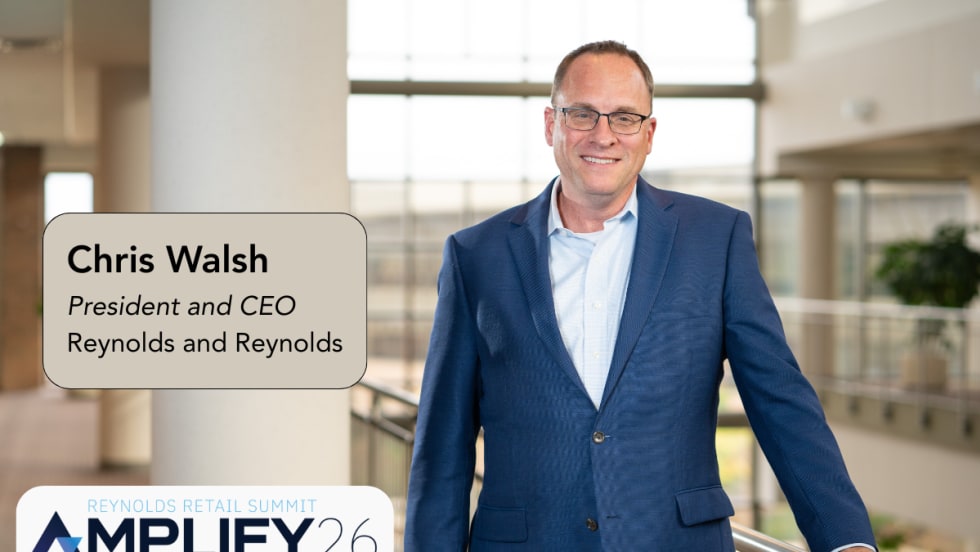
Amplify 2026 Billed as Turning Innovation Into Results
Reynolds and Reynolds says its annual retail summit will connect dealers with practical strategies, peer insight, and technology-driven ideas.
Read More →
Own Your Outcome: F&I in the Digital Customer Journey
Finance has historically been the last step in the car-buying process, but it doesn’t have to be. The customer’s journey starts long before they arrive at the dealership, and so should F&I’s involvement.
Read More →
Tariffs Could Raise Insurance Premiums
As U.S. import tariffs affect repair costs, consumers might find it more affordable to replace a damaged vehicle, according to recent Insurify tariff analysis.
Read More →
Smaller Loans, Longer Terms
The youngest generation of car buyers is more likely to finance less expensive vehicles, more than half of generation Z consumers borrowing less than $25,000.
Read More →
New Lifetime Battery F&I Product Meant to Drive Dealer Traffic
EFG Cos. offering is intended to create lifetime auto dealer engagement with customers.
Read More →
The Psychology Behind Menus That Increase Add-On Sales
There is a science to crafting a menu that gives customers confidence in the choices presented, and moving the process outside the F&I office can further boost results.
Read More →
Why Your F&I PVR Is Misleading You
Here’s a handy checklist of the numbers to track in 2026 instead.
Read More →
Auto Consumer Anxiety Presents Opportunity
A survey of U.S. drivers found the majority are concerned about finances and the economy, but those fears make many ready to buy vehicle-protection products.
Read More →