



Democrats Signal Defeat on EV Tax Credit
The federal spending bill being negotiated by House and Senate leaders is not likely to include an extension of the $7,500 tax credit for buyers of electric vehicles.

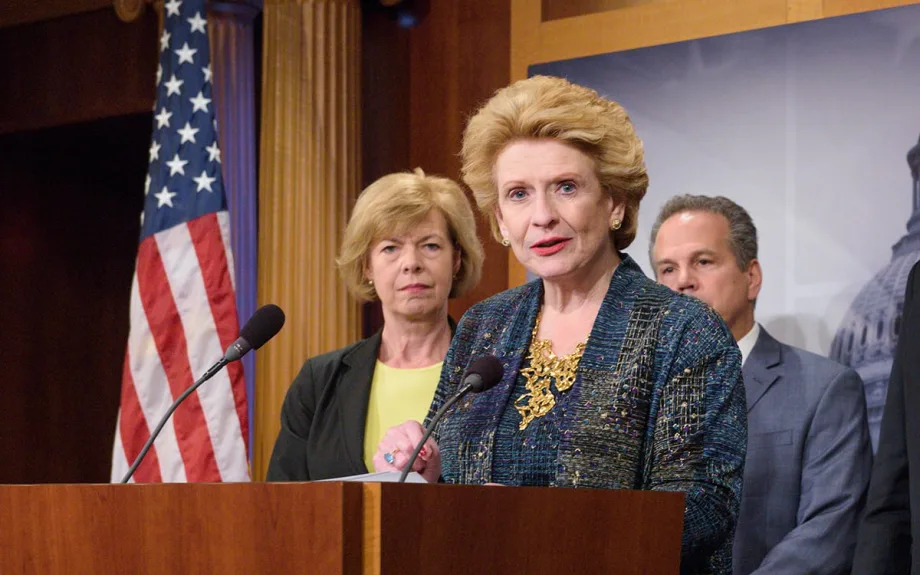
Sen. Debbie Stabenow (D-Mich.) told Bloomberg the federal electric vehicle tax credit would be difficult to extend in the face of “extreme resistance” from the Trump administration.
Photo courtesy Sen. Debbie Stabenow via Flickr
WASHINGTON — An Obama era tax credit for buyers and lessees of new electric vehicles will not likely be extended as part of a new federal spending bill, Reuters reports. A campaign led by manufacturers and Democratic legislators failed to sway Republican leaders, including President Donald Trump, who have denounced the credit as a tax break for wealthy car buyers.
“There has been extreme resistance from the president. It’s going to be difficult,” Sen. Debbie Stabenow (D-Mich.) told Bloomberg this week.
Read: Trump Budget Kills EV Tax Credit
The $7,500 income tax deduction was introduced in 2009 and applied to the first 200,000 electric units built by any manufacturer in the U.S. market. The nation’s EV leaders, General Motors and Tesla, exceeded that mark in 2018 but have since benefited from credits of diminishing amounts. The current federal tax credit of $1,875 for GM and Tesla units will expire Dec. 31 and March 1, respectively.
Opponents of the extension frequently referenced a 2014 IRS report that found 79% of electric vehicle tax credits went to households earning $100,000 or more. Only 1% were claimed by households earning less than $50,000.
Proponents countered the IRS figures set aside the fact that dealers were able to apply the credit to leases, which accounted for a majority of the EV market as recently as 2017, according to Bloomberg Intelligence.
“The tax credit quickly became another example of the government’s solicitousness for those who are comfortable and who are skillful in defense of their comforts.”
Columnist George Will summarized the conservative viewpoint in an April column for The Washington Post.
“The tax credit quickly became another example of the government’s solicitousness for those who are comfortable and who are skillful in defense of their comforts,” he wrote. “Today, demand for electric cars is still insufficient to produce manufacturing economies of scale (after a decade of production, moral exhortations and subsidies, electric cars are a fraction of 1% of all vehicle sales), and batteries are expensive.”
Originally posted on Auto Dealer Today
More Showroom

California Sees Quarterly Gains
California’s new-vehicle market saw a boost in hybrids in the third quarter and its first overall quarterly market gain of the year.
Read More →
New-Vehicle Prices Stay Put
Affordability pressures and model availability shaped new-vehicle sales in September, according to an analysis by Kelley Blue Book.
Read More →
EV Buyer Consideration Shifts
What drives American consumers to purchase an electric vehicle is shifting as the question moves away from Should I?' to 'Which features and experience do I want to have?'
Read More →
Year-to-Date Auto Sales Holding Their Own
A forecast through August shows that automakers have shifted strategies to keep deliveries and revenues up despite tariffs and other economic challenges.
Read More →
Slow to Robo
Ten years of polling consumers shows autonomous vehicles’ profiles have risen considerably, but even more people now want at least some level of control if they go that route.
Read More →
Dealers a Little Down
A third-quarter Cox Automotive survey finds them in a mixed mood, bummed by fallen customer traffic but encouraged by better profits, costs and EV interest.
Read More →
European EV Sales Skyrocket
The EV market on the continent held strong in July with almost 25% of new-car sales being fully electric units, a stark contrast to the U.S., where EV sales declined about 42%.
Read More →
Mitsubishi Unveils U.S. Plan
The automaker announced a strategy that includes an expanded lineup and dealership presence, along with more ‘rugged’ and electric models.
Read More →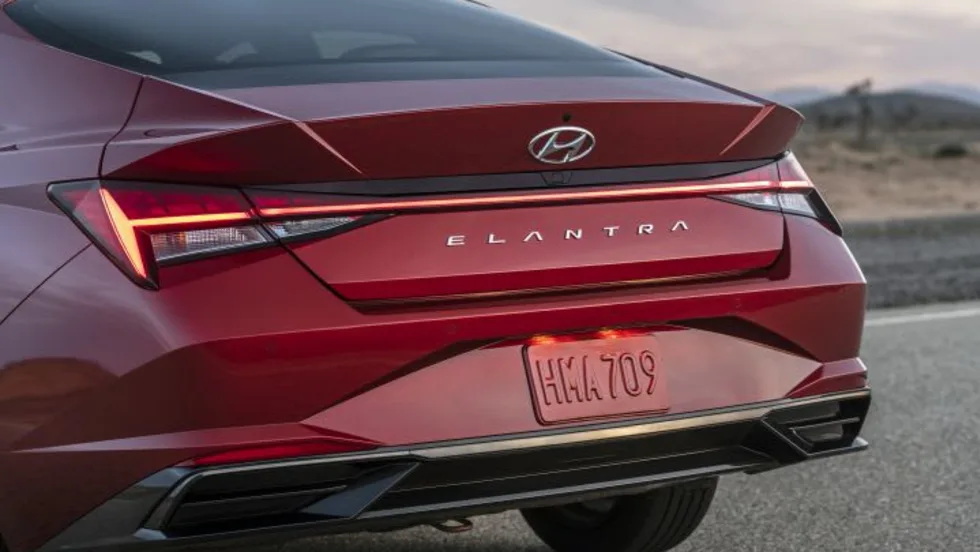
Used Lots Getting the Business
Many consumers are seeking out the units to save money, and the demand – higher in July than normal – is keeping supply limited and prices up.
Read More →
Used Market Stabilizes
The Carfax Used Car Index noted a major drop in used-vehicle price increases in July after several months of hikes.
Read More →