



EPA Finalizes Green House Gas and CAFE Standards
On Friday, the Environmental Protection Agency finalized the fuel efficiency rules that will guide the federal greenhouse gas and CAFE standards for 2022-2025 model-year vehicles.
WASHINGTON, D.C — On Friday, the Environmental Protection Agency (EPA) finalized the fuel efficiency rules that will guide the federal greenhouse gas (GHG) and corporate average fuel economy (CAFE) standards for 2022-2025 model-year vehicles.
In her final determination, EPA administrator Gina McCarthy stated that the EPA had determined that the standards adopted in 2012 were still appropriate and should be maintained. This means automaker fleets will have to reach an overall fuel efficiency average of 51.4 mpg by 2025. According to the EPA, this translates to 36 mpg in real-world driving conditions.
The current fleet fuel efficiency average today stands at 26 mpg, so this equates to an expected 10 mpg improvement over the next nine years.
“My decision today rests on the technical record created by over eight years of research, hundreds of published reports, including an independent review by the National Academy of Sciences, hundreds of stakeholder meetings, and multiple opportunities for the public and the industry to provide input,” said McCarthy. “At every step in the process, the analysis has shown that the greenhouse gas emissions standards for cars and light trucks remain affordable and effective through 2025, and will save American drivers billions of dollars at the pump while protecting our health and the environment.”
The Obama administration first proposed these guidelines in 2012. The rules proposed in those guidelines would pertain to model-year 2017-2025 vehicles, with a midterm evaluation to be conducted by the EPA no later than April 1, 2018, in order to determine if the guidelines that affected model-year 2022-2025 vehicles would need to be changed to account for improving technologies. However, according to McCarthy, no rule prohibited the mid-term evaluation from being conducted earlier at the administrator’s discretion.
The same day the EPA announced it would be maintaining the standards set by the Obama administration, Peter Welch, president of the National Automotive Dealers Association (NADA), expressed his dissatisfaction on the decision.
"The Obama Administration today just made new cars and trucks thousands of dollars more expensive for America's working men and women. Expensive and unaffordable new cars will drive Americans into less efficient, less clean and less safe used cars — undermining the very goals of this policy," he said in a statement. "We urge the incoming Trump Administration to withdraw today's action, and we look forward to working with the new Administration to ensure that working families can choose the cleaner, safer new cars and trucks they need at prices they can afford."
According to the EPA’s final determination, the cost to automakers will actually be lower than when the standards were first proposed, thanks, in part, to advancing technology.
According to the EPA, since the standards were established in 2012, automakers have instituted many different technologies in their vehicles in order to adhere to the standards. As a result, fuel efficiencies have improved at a rate faster than had been set.
“In the Administrator's view, the record clearly establishes that, in light of technologies available today and improvements we project will occur between now and MY2022-2025, it will be practical and feasible for automakers to meet the MY2022-2025 standards at reasonable cost that will achieve the significant GHG emissions reduction goals of the program, while delivering significant reductions in oil consumption and associated fuel savings for consumers, significant benefits to public health and welfare, and without having material adverse impact on the industry, safety, or consumers,” the EPA stated in its final determination.
More Showroom
California Sees Quarterly Gains
California’s new-vehicle market saw a boost in hybrids in the third quarter and its first overall quarterly market gain of the year.
Read More →
New-Vehicle Prices Stay Put
Affordability pressures and model availability shaped new-vehicle sales in September, according to an analysis by Kelley Blue Book.
Read More →
EV Buyer Consideration Shifts
What drives American consumers to purchase an electric vehicle is shifting as the question moves away from Should I?' to 'Which features and experience do I want to have?'
Read More →
Year-to-Date Auto Sales Holding Their Own
A forecast through August shows that automakers have shifted strategies to keep deliveries and revenues up despite tariffs and other economic challenges.
Read More →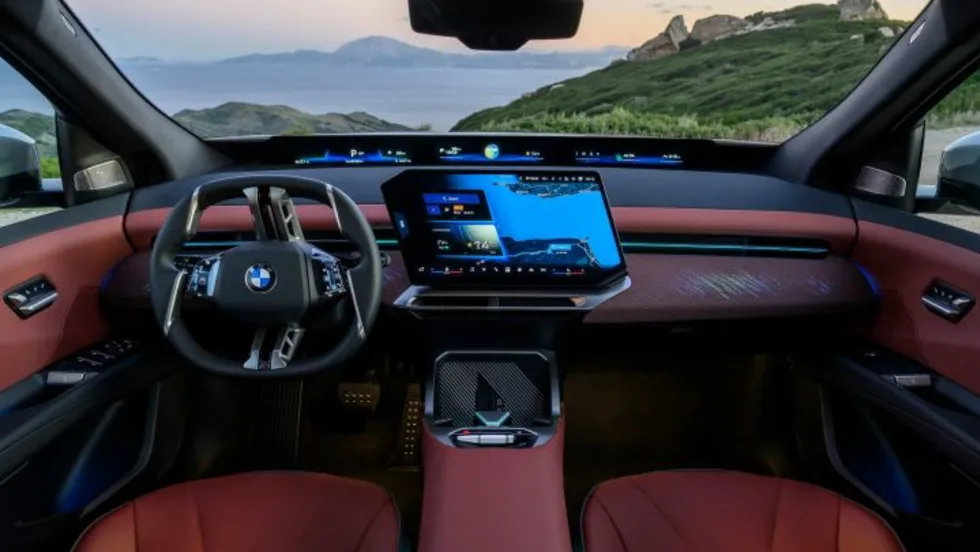
Slow to Robo
Ten years of polling consumers shows autonomous vehicles’ profiles have risen considerably, but even more people now want at least some level of control if they go that route.
Read More →
Dealers a Little Down
A third-quarter Cox Automotive survey finds them in a mixed mood, bummed by fallen customer traffic but encouraged by better profits, costs and EV interest.
Read More →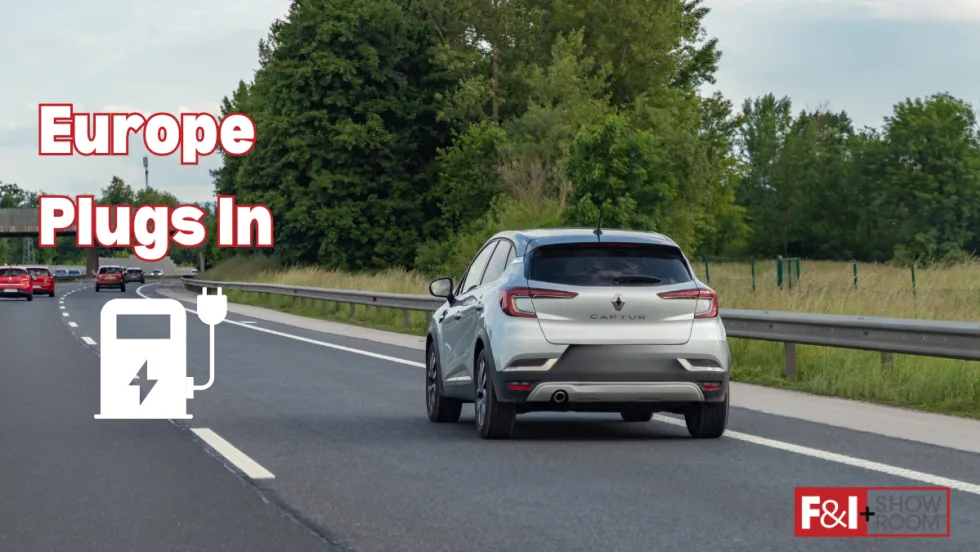
European EV Sales Skyrocket
The EV market on the continent held strong in July with almost 25% of new-car sales being fully electric units, a stark contrast to the U.S., where EV sales declined about 42%.
Read More →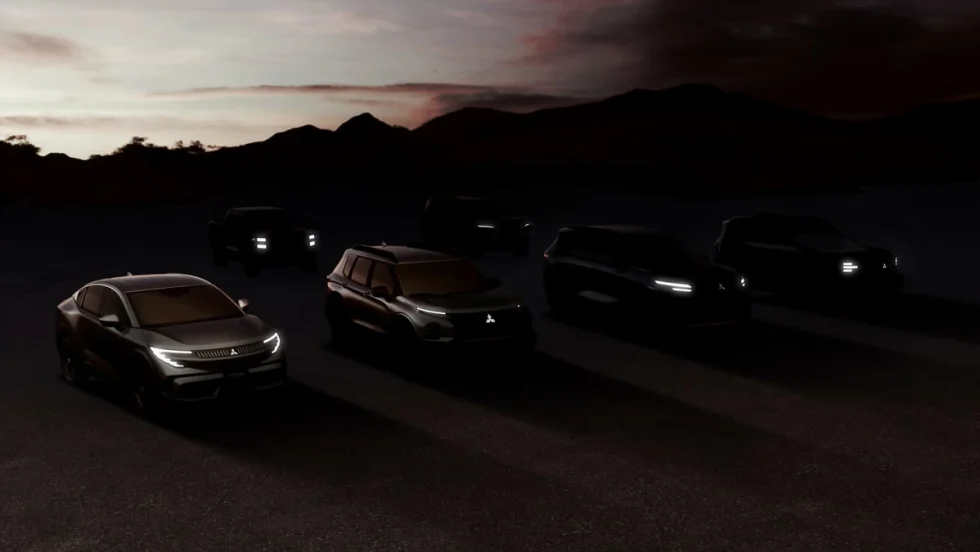
Mitsubishi Unveils U.S. Plan
The automaker announced a strategy that includes an expanded lineup and dealership presence, along with more ‘rugged’ and electric models.
Read More →
Used Lots Getting the Business
Many consumers are seeking out the units to save money, and the demand – higher in July than normal – is keeping supply limited and prices up.
Read More →
Used Market Stabilizes
The Carfax Used Car Index noted a major drop in used-vehicle price increases in July after several months of hikes.
Read More →