



Automakers Develop Car Sanitizer
Hyundai and Kia say the particular ultraviolet light used in the technology has been demonstrated to kill the vast majority of a potentially harmful bacterium inside a vehicle.

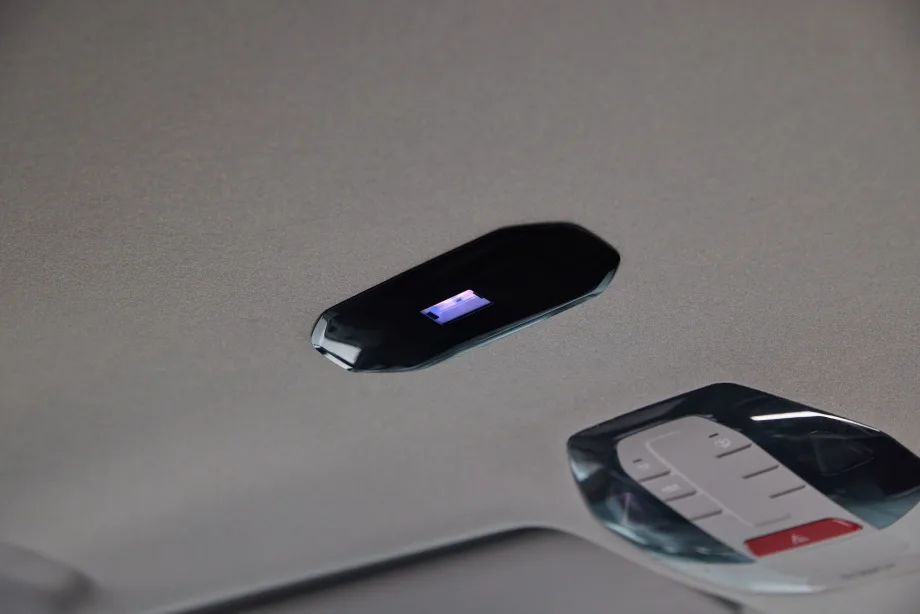
The automakers said the innovation has potential for 'purpose-built' vehicle applications, including school buses and autonomous vehicles.
Hyundai
Some people might wish they’d had this innovation in their cars about five years ago: built-in cabin sanitizing.
Though Hyundai Motor Co. affiliates Hyundai and Kia didn’t mention the Covid pandemic, it would seem that the global event must have influenced their new creation.
The South Korean automakers introduced Plasma Care UVC, what they say is the world’s first such sanitizing technology for vehicle interiors. The invention uses a plasma lamp to disinfect the interior and reduce any odors.
Plasma Care uses far-ultraviolet C, or far UVC light, of up to 230 nanometers, making it safe for environments where people are present, unlike traditional ultraviolet sterilization, the companies said, pointing out that its strength effectively disinfects while penetrating only people’s outermost skin layer.
Hyundai and Kia said development of Plasma Care required their researchers to overcome the challenges of small spaces, plentiful electronics, and occupants’ close quarters.
They conducted various tests through certified organizations and research centers, including in a Kia PV5 electric van, saying that the latter test finding showed 99.9% “eradication of Escherichia coli (E. coli) after 40 minutes of irradiation.”
The automakers said they’ll continue testing before adding the technology to their vehicles.
“We expect it to serve as a valuable cabin hygiene solution that delivers a more pleasant mobility experience across future mobility scenarios, including autonomous driving and purpose-built vehicles,” said Han Joo Jang, a senior research engineer for the companies.
More Industry
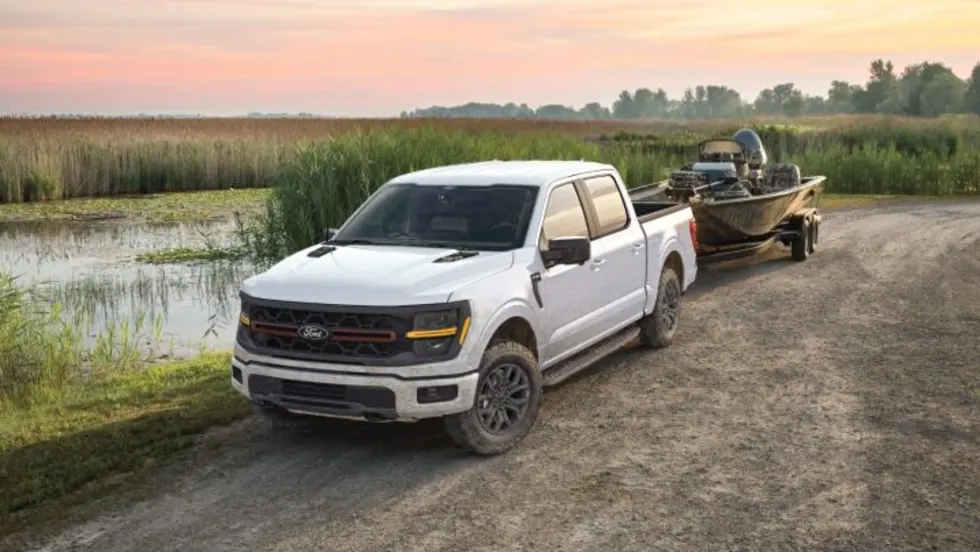
Auto Nameplate Loyalty Holds in Tough Times
Consumers have been faithful to brands despite financial pressures, and JD Power says that’s because automakers have made some wise moves.
Read More →
Top New Jersey RV Store Sells
Myer’s RV Superstore is expanding its footprint in the state with two new locations that it acquired from Ed Hutchinson Jr.
Read More →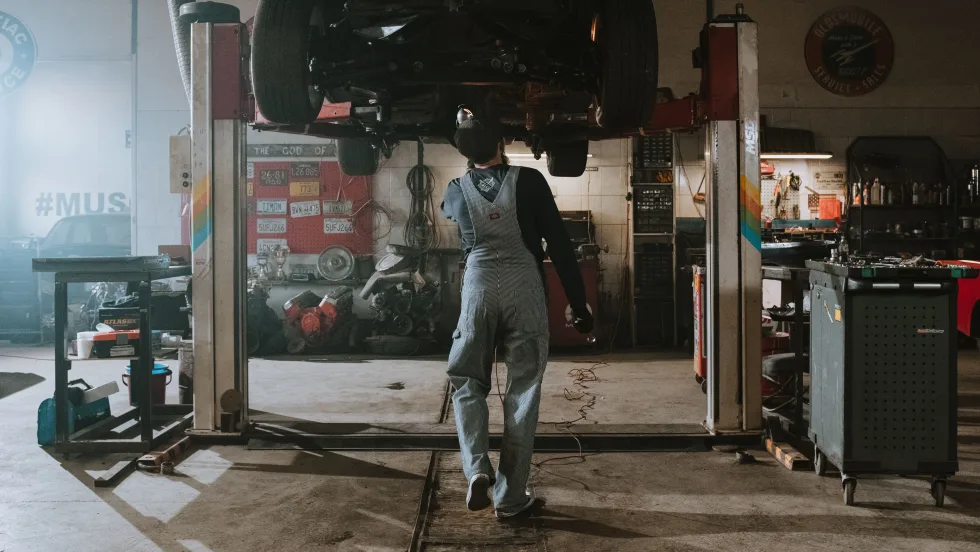
Alliance Analyzes Technician Pipeline
A new industry report examines the state of skilled trades in the U.S. and details the drivers of demand for automotive repair and how technicians enter and grow in the workforce.
Read More →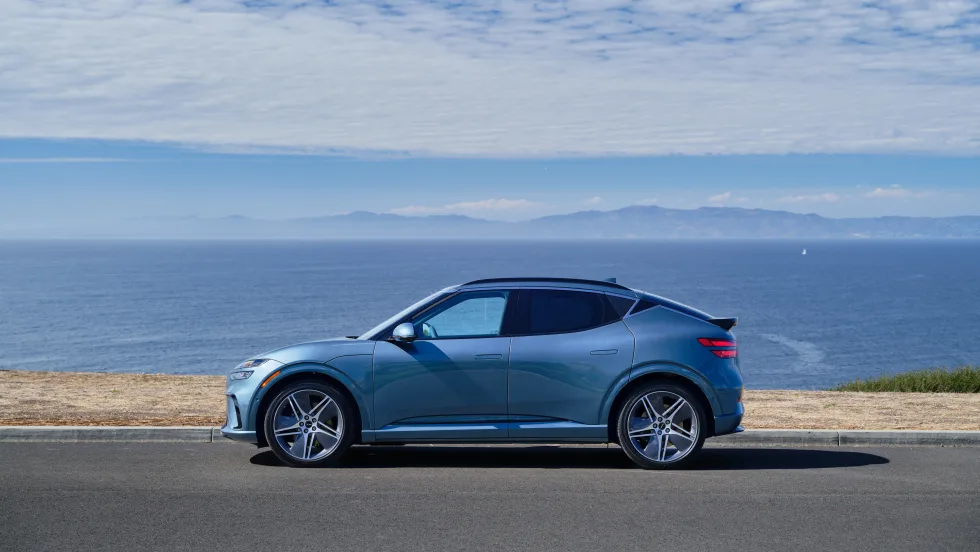
Luxury Rooftop Changes Hands
Genesis of Glenview is getting a new owner and a new location, but its name will stay the same.
Read More →
Future-Proof Your Business
A new industry outlook details several ways that automotive companies can use the rise in artificial intelligence and advanced technologies to their advantage.
Read More →
Dealership Buy-Sells Keep Going Up
First-half transactions reflect continued high appetite for acquisitions despite falling profits, the most sought-after franchises bringing record prices.
Read More →
California Makes Electric Moves
New laws in the Golden State aim to advance consumer access to public electric-vehicle chargers and reduce costs and barriers to its infrastructure.
Read More →
Rare Earths Independence
Automakers seek alternatives to sourcing battery raw materials in volatile markets roiled by trade wars and disrupted supply chains.
Read More →
Volvo Appoints President and CEO
Klaus Zellmer will replace Håkan Samuelsson as president and CEO of Volvo Cars in 2027 as the company makes strategic shifts toward profitability and cash generation.
Read More →
Fix Up Your Fixed Ops
The department may hold untapped potential for your dealership. There are ways to unearth it and turn it around for more profits.
Read More →