



Ford, GMAC Prevail In Bias Suits
Manufacturer captive finance arms Ford Credit and General Motors Acceptance Corp. (GMAC) have scored significant victories in defending against law suits claiming Hispanic and black buyers were charged excessive rates on vehicle loans.
In Chicago, Federal District Judge Suzanne Conlon dismissed a suit by Rudi Rodriguez, a Hispanic purchaser. She earlier had denied a plaintiff's motion to declare the suit a class action. The dismissal was requested by the plaintiffs as "being in their best interest," an attorney for the plaintiff said.
A Nashville, Tenn., suit against GMAC on behalf of Addie Coleman, an African American, was approved for class-action status in the District Court. Then in July, the ruling was overturned by the U.S. Sixth Circuit Court of Appeals in Cincinnati.
The "class" sought for the Coleman suit would have covered thousands of black customers in Tennessee. The motion in the Rodriguez Chicago litigation asked that the "class" include more than one million Hispanic customers of Ford since 1990.
A study of Ford Credit loans to Hispanic customers in the Rodriguez case contended they were charged $266 more per transaction on average than white purchasers. This allegation is the core issue for the GMAC case in Nashville, as well as one against Nissan Motor Acceptance in Nashville and another suit against Ford Credit in New York City. Rodriguez alleged he bought a 1999 Ford Escort and was charged 18.95 percent interest, comparable to nonprime loan rates.
All three captive lenders have denied discrimination in setting interest rates. Nissan's response in the Nashville case said any above-average rates may have been set by dealers.
Commenting on the dismissal of the Rodriguez suit, Ford Credit spokesman Dan Jarvis said the dismissal vindicated the company's claim it did nothing wrong. "We do not and have not discriminated against our Hispanic customers, or any other group," Jarvis stated.
Ford Credit said the 7,500 dealerships it serves in the United States set their loan policies individually. The lender said it does not know the race or ethnicity of any borrower or lessee when it considers their contract applications. There is not a space on the applications in which to enter the race of the prospective borrower.
More F&I

Integrating Nontraditional F&I Products
The niche presents a strategic advantage for auto dealerships as they move to adapt to fast-changing consumer expectations in today’s market.
Read More →
Trust Is Personal
Technology, no matter how efficient, can’t replace what the human F&I manager can do, which is to bridge the divide between cyberspace and the in-store experience.
Read More →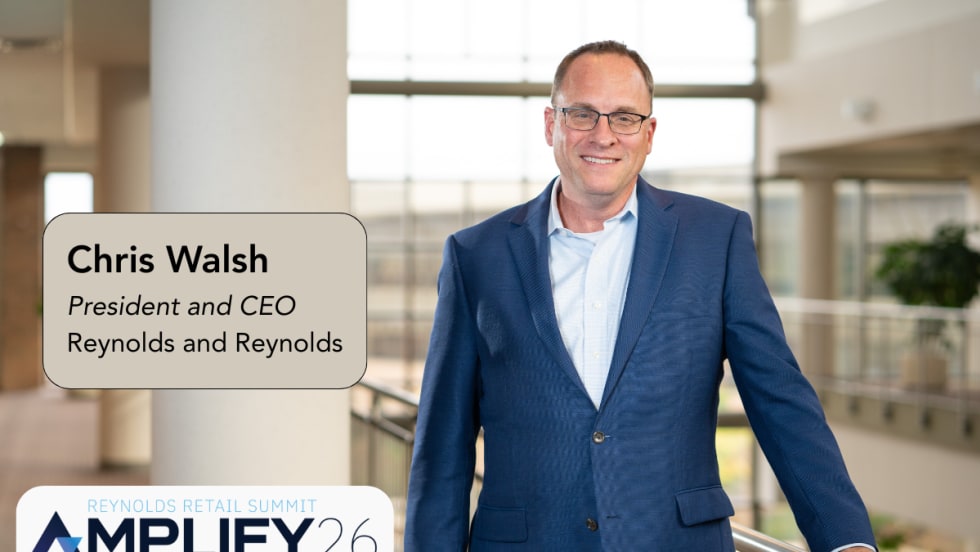
Amplify 2026 Billed as Turning Innovation Into Results
Reynolds and Reynolds says its annual retail summit will connect dealers with practical strategies, peer insight, and technology-driven ideas.
Read More →
Own Your Outcome: F&I in the Digital Customer Journey
Finance has historically been the last step in the car-buying process, but it doesn’t have to be. The customer’s journey starts long before they arrive at the dealership, and so should F&I’s involvement.
Read More →
Tariffs Could Raise Insurance Premiums
As U.S. import tariffs affect repair costs, consumers might find it more affordable to replace a damaged vehicle, according to recent Insurify tariff analysis.
Read More →
Smaller Loans, Longer Terms
The youngest generation of car buyers is more likely to finance less expensive vehicles, more than half of generation Z consumers borrowing less than $25,000.
Read More →
New Lifetime Battery F&I Product Meant to Drive Dealer Traffic
EFG Cos. offering is intended to create lifetime auto dealer engagement with customers.
Read More →
The Psychology Behind Menus That Increase Add-On Sales
There is a science to crafting a menu that gives customers confidence in the choices presented, and moving the process outside the F&I office can further boost results.
Read More →
Why Your F&I PVR Is Misleading You
Here’s a handy checklist of the numbers to track in 2026 instead.
Read More →
Auto Consumer Anxiety Presents Opportunity
A survey of U.S. drivers found the majority are concerned about finances and the economy, but those fears make many ready to buy vehicle-protection products.
Read More →