



Ford Moves to Build More Components for EVs
Building more parts in-house rather than purchasing them from other suppliers makes financial sense and retains jobs, said CEO Jim Farley.

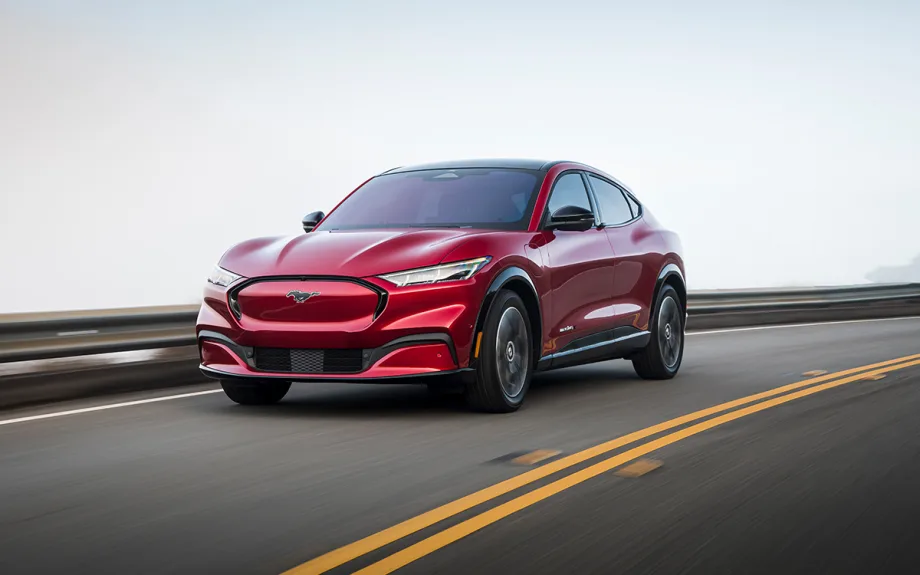
Building more parts in-house rather than purchasing them from other suppliers makes financial sense and retains jobs, said CEO Jim Farley.
IMAGE: Ford
Ford Motor Co. plans to build parts internally for its electric vehicles to offset the estimated 40% reduction in workers needed to build these vehicles, reported CEO Jim Farley.
Farley compared the strategy to the early days of auto manufacture when automakers made most components put in a vehicle. “We’re going back to where we were at the beginning of the century. Why? Because that’s where the value creation is. It’s a huge transformation,” Farley told reporters at an auto conference for the Rainbow Push Coalition.
Building more parts in-house rather than purchasing them from other suppliers makes financial sense and retains jobs, he said. The move, he added, will require Ford to build businesses for key components rather than acquire them.
The company purchased motors and batteries for the Mustang Mach-E crossover, but Farley said that in the future, that would not be necessary.
Ford is building two lithium-ion battery plants in central Kentucky as part of a joint venture with SK Innovation of South Korea. The venture is called BlueOvalSK. Ford also plans a 3,600-acre, $11.4 billion campus in west Tennessee.
Unionizing joint-venture battery plants will be up to workers of these plants, but Farley said Ford would be “thrilled” to have such representation. Currently, the United Auto Workers union is trying to organize a joint-venture battery plant between GM and LG Energy Solution in Ohio.
Originally posted on Auto Dealer Today
More Showroom

California Sees Quarterly Gains
California’s new-vehicle market saw a boost in hybrids in the third quarter and its first overall quarterly market gain of the year.
Read More →
New-Vehicle Prices Stay Put
Affordability pressures and model availability shaped new-vehicle sales in September, according to an analysis by Kelley Blue Book.
Read More →
EV Buyer Consideration Shifts
What drives American consumers to purchase an electric vehicle is shifting as the question moves away from Should I?' to 'Which features and experience do I want to have?'
Read More →
Year-to-Date Auto Sales Holding Their Own
A forecast through August shows that automakers have shifted strategies to keep deliveries and revenues up despite tariffs and other economic challenges.
Read More →
Slow to Robo
Ten years of polling consumers shows autonomous vehicles’ profiles have risen considerably, but even more people now want at least some level of control if they go that route.
Read More →
Dealers a Little Down
A third-quarter Cox Automotive survey finds them in a mixed mood, bummed by fallen customer traffic but encouraged by better profits, costs and EV interest.
Read More →
European EV Sales Skyrocket
The EV market on the continent held strong in July with almost 25% of new-car sales being fully electric units, a stark contrast to the U.S., where EV sales declined about 42%.
Read More →
Mitsubishi Unveils U.S. Plan
The automaker announced a strategy that includes an expanded lineup and dealership presence, along with more ‘rugged’ and electric models.
Read More →
Used Lots Getting the Business
Many consumers are seeking out the units to save money, and the demand – higher in July than normal – is keeping supply limited and prices up.
Read More →
Used Market Stabilizes
The Carfax Used Car Index noted a major drop in used-vehicle price increases in July after several months of hikes.
Read More →