



Future-Proof Your Business
A new industry outlook details several ways that automotive companies can use the rise in artificial intelligence and advanced technologies to their advantage.

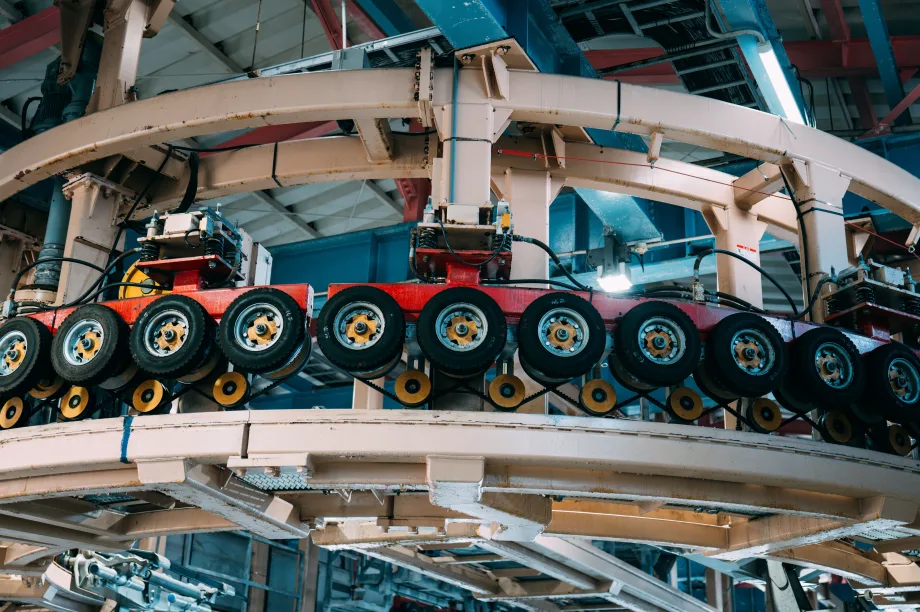
Electric vehicles are an important driver of growth, EV production expected to rise from 18% to 30% within five years.
Pexels/Michael Li
Automotive companies are projected to see a significant rise in the use of artificial intelligence and other advanced technologies over the next four years, according to a new report by PwC.
The firm’s inaugural Global Automotive Outlook predicts that the 47% of companies that use AI today will increase to 72% by 2030. And 51% of companies reported seeing it as one of the most important technologies for achieving strategic goals.
The study found that 80% of automotive companies had a “high tolerance for strategic risk-taking,” which it called "future-fit" companies. The most frequently cited strategic move was “ecosystem participation” focused on technology because, PwC said, automotive firms “expect technology companies to displace industrial manufacturers as their most important collaborators over the next five years.”
It also found "future-fit" companies more likely to report highly developed software engineering and AI capabilities, to expand into new customer segments, have a high tolerance for strategic risk-taking, and expand into offerings beyond automotive.
When it comes to balancing investments, 73% of companies said their manufacturing and operations are primarily aimed at productivity and efficiency, and only 12% said they were primarily aimed at growth and increasing market share.
Unsurprisingly, electric vehicles are an important driver of growth, EV production expected to rise from 18% to 30% within five years. Inversely, internal combustion engines are predicted to fall from 60% to 41%.
To “future-proof” their business, PwC recommended auto companies reframe their strategies from sector to domain, become active participants in ecosystems, shift investments to be more forward-looking, and look beyond their core products to the wider mobility experience.
More Industry
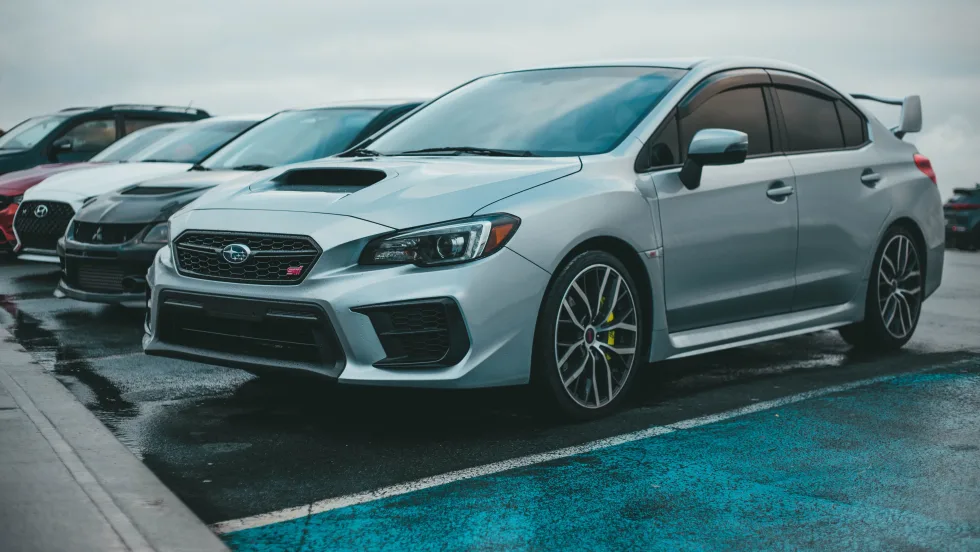
New-Vehicle Prices Stay Put
Affordability pressures and model availability shaped new-vehicle sales in September, according to an analysis by Kelley Blue Book.
Read More →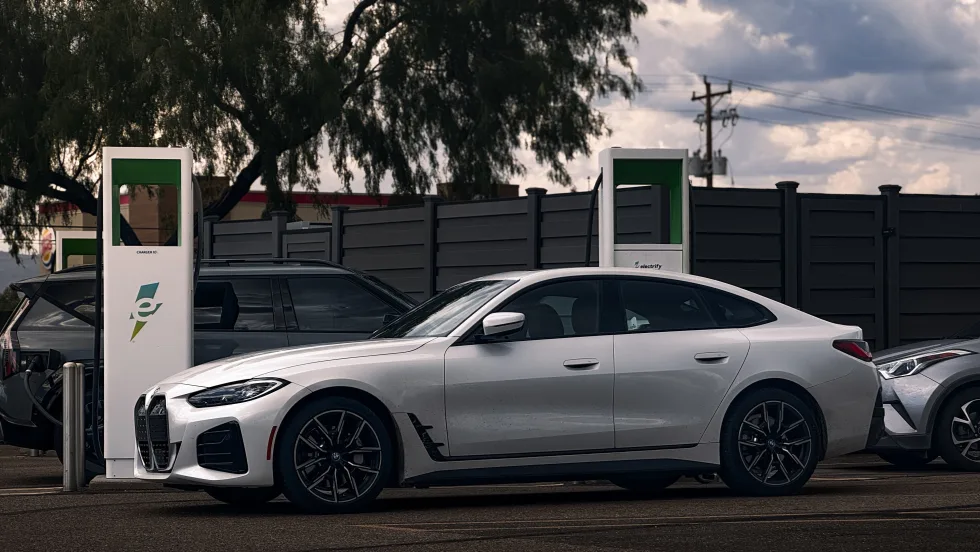
EV Buyer Consideration Shifts
What drives American consumers to purchase an electric vehicle is shifting as the question moves away from Should I?' to 'Which features and experience do I want to have?'
Read More →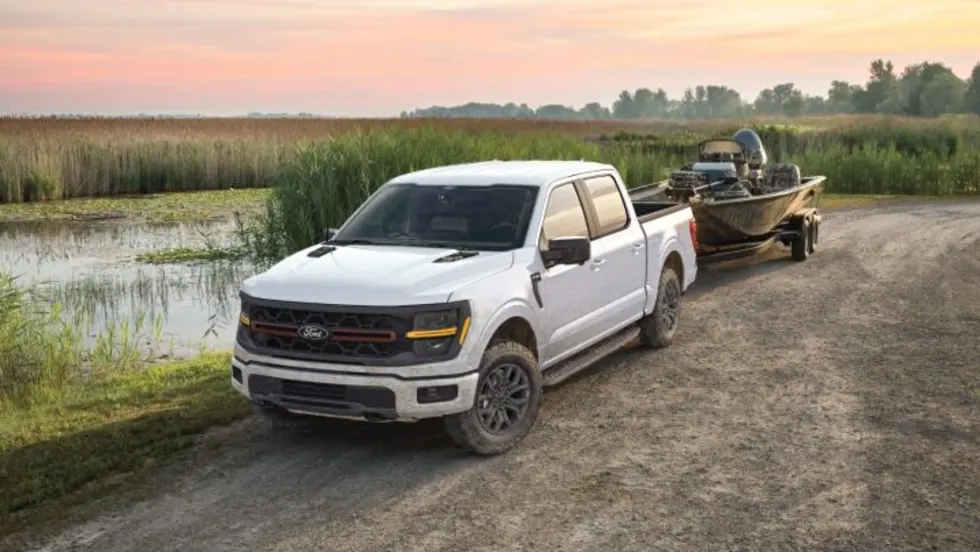
Auto Nameplate Loyalty Holds in Tough Times
Consumers have been faithful to brands despite financial pressures, and JD Power says that’s because automakers have made some wise moves.
Read More →
Top New Jersey RV Store Sells
Myer’s RV Superstore is expanding its footprint in the state with two new locations that it acquired from Ed Hutchinson Jr.
Read More →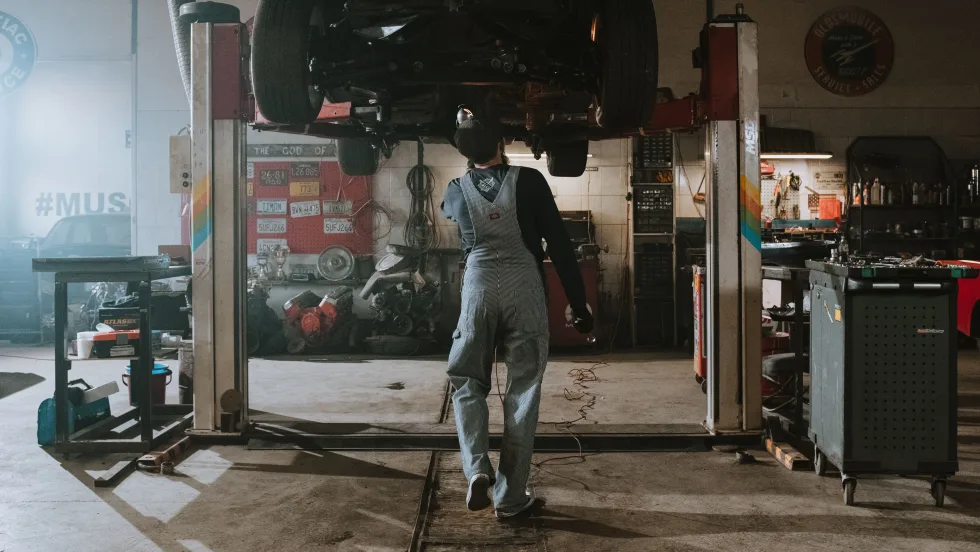
Alliance Analyzes Technician Pipeline
A new industry report examines the state of skilled trades in the U.S. and details the drivers of demand for automotive repair and how technicians enter and grow in the workforce.
Read More →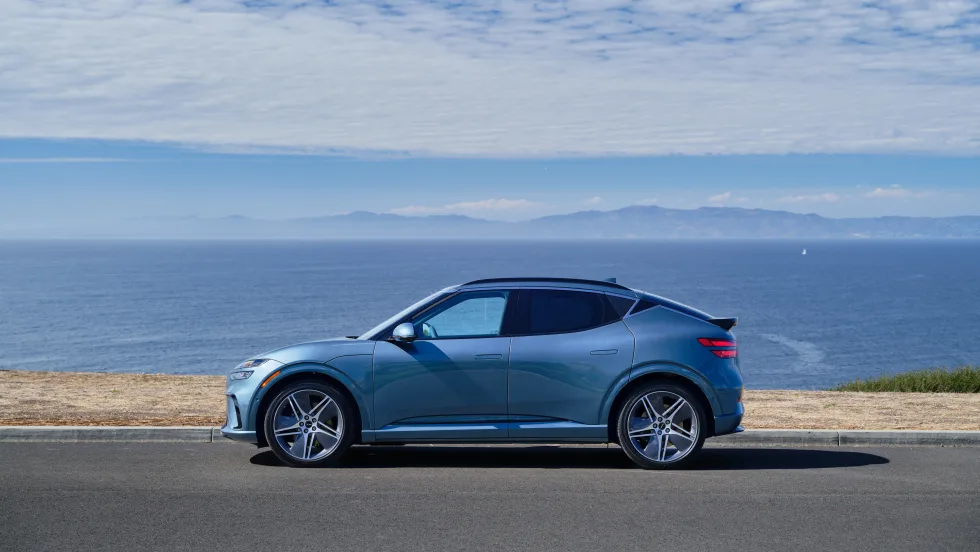
Luxury Rooftop Changes Hands
Genesis of Glenview is getting a new owner and a new location, but its name will stay the same.
Read More →
Dealership Buy-Sells Keep Going Up
First-half transactions reflect continued high appetite for acquisitions despite falling profits, the most sought-after franchises bringing record prices.
Read More →
California Makes Electric Moves
New laws in the Golden State aim to advance consumer access to public electric-vehicle chargers and reduce costs and barriers to its infrastructure.
Read More →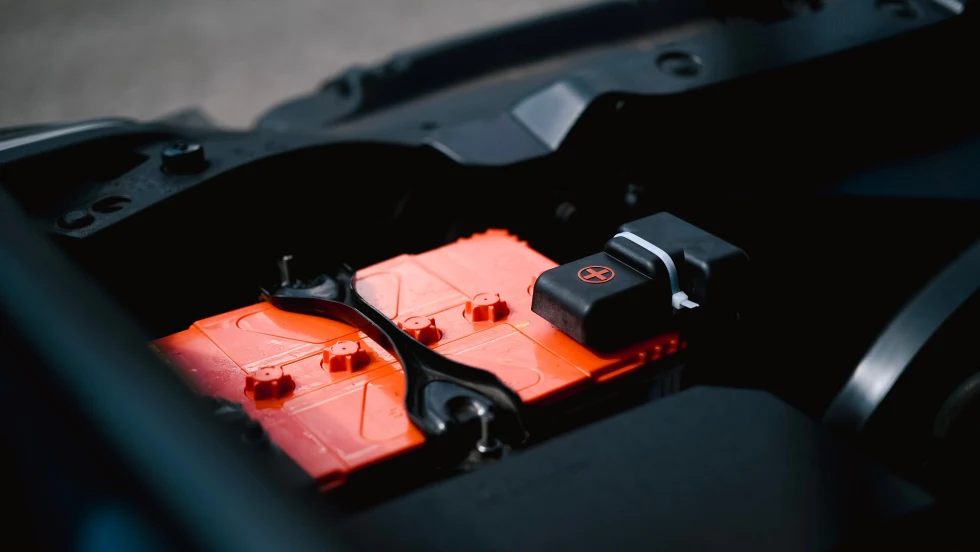
Rare Earths Independence
Automakers seek alternatives to sourcing battery raw materials in volatile markets roiled by trade wars and disrupted supply chains.
Read More →
Volvo Appoints President and CEO
Klaus Zellmer will replace Håkan Samuelsson as president and CEO of Volvo Cars in 2027 as the company makes strategic shifts toward profitability and cash generation.
Read More →