



GMAC to Hire More Japanese Staff, May Open Office in Taiwan
Brett Cole at Bloomberg News reported Sept. 9 that General Motors Acceptance Corp., the financial unit of the carmaker, plans to increase its Japan staff by a quarter as it boosts real estate lending in the country.
GMAC, which has lent $20 billion globally, will expand its staff in Tokyo and Osaka to 250 by next year from 200, said Mikihisa Hirai, executive managing director at GMAC Commercial Holding Asia. The company may also expand in Taiwan.
"We may open an office in Taipei to manage a portfolio of bad loans if we are successful with a bid," said Hirai, who has visited the island 10 times this year. "The non-performing loan transaction sizes in Taiwan are bigger than those in Japan."
This year, Cole reported that GMAC lost out at two loan auctions in Taiwan. It plans to bid at others. Taiwan President Chen Shui-bian, the first non-Nationalist incumbent, is trying to clean up banks that let bad loans swell for five decades.
The average price paid for bad loans in Taiwan is 20 to 25 percent of their face value, Hirai said. In Japan, loans cost as little as 6 percent of the face value because they are harder to retrieve and carry less collateral.
"The acquisition business is getting tougher and tougher in Japan," said Hirai, who wouldn't disclose financial details on the company's Asian business.
Cole said that GMAC wants to increase its non-recourse lending to property buyers, construction lending and loans to consumer finance companies, Hirai said. It also buys and collects non-performing loans, trades real estate and acts as an investment adviser.
Average investment returns on Japanese property are attractive, prompting more demand for loans. Real estate yields, or revenue from rent minus expenses divided by the cost of property, return about 8 percent per year, Hirai said.
With Japanese interest rates close to zero, borrowing costs justify bets on property purchases, he said.
More F&I

Integrating Nontraditional F&I Products
The niche presents a strategic advantage for auto dealerships as they move to adapt to fast-changing consumer expectations in today’s market.
Read More →
Trust Is Personal
Technology, no matter how efficient, can’t replace what the human F&I manager can do, which is to bridge the divide between cyberspace and the in-store experience.
Read More →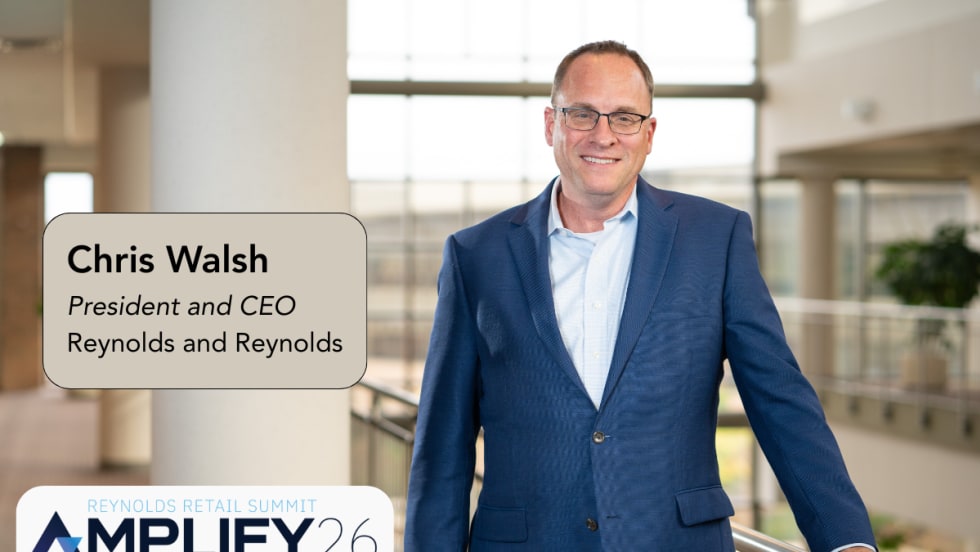
Amplify 2026 Billed as Turning Innovation Into Results
Reynolds and Reynolds says its annual retail summit will connect dealers with practical strategies, peer insight, and technology-driven ideas.
Read More →
Own Your Outcome: F&I in the Digital Customer Journey
Finance has historically been the last step in the car-buying process, but it doesn’t have to be. The customer’s journey starts long before they arrive at the dealership, and so should F&I’s involvement.
Read More →
Tariffs Could Raise Insurance Premiums
As U.S. import tariffs affect repair costs, consumers might find it more affordable to replace a damaged vehicle, according to recent Insurify tariff analysis.
Read More →
Smaller Loans, Longer Terms
The youngest generation of car buyers is more likely to finance less expensive vehicles, more than half of generation Z consumers borrowing less than $25,000.
Read More →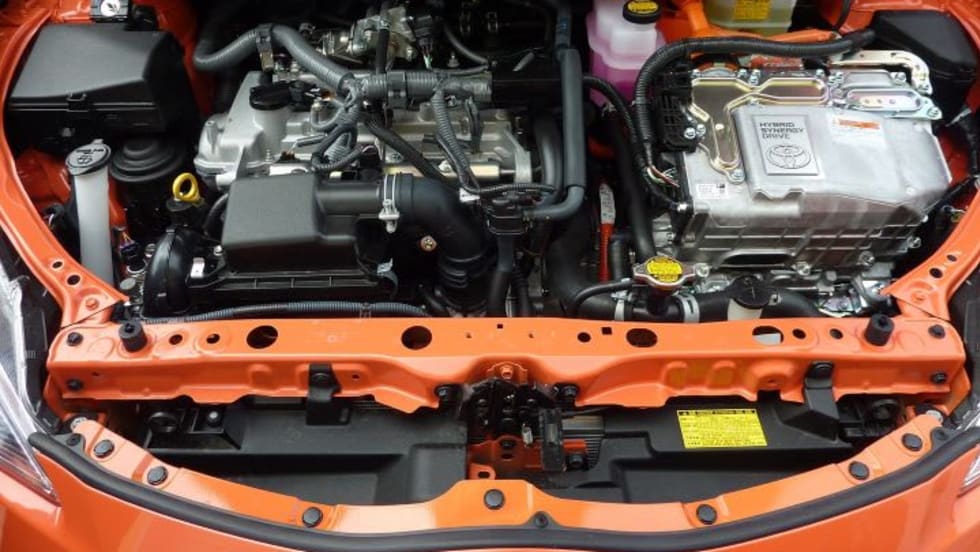
New Lifetime Battery F&I Product Meant to Drive Dealer Traffic
EFG Cos. offering is intended to create lifetime auto dealer engagement with customers.
Read More →
The Psychology Behind Menus That Increase Add-On Sales
There is a science to crafting a menu that gives customers confidence in the choices presented, and moving the process outside the F&I office can further boost results.
Read More →
Why Your F&I PVR Is Misleading You
Here’s a handy checklist of the numbers to track in 2026 instead.
Read More →
Auto Consumer Anxiety Presents Opportunity
A survey of U.S. drivers found the majority are concerned about finances and the economy, but those fears make many ready to buy vehicle-protection products.
Read More →