



Hands Off the Wheel Leads to Distraction
IIHS study of drivers’ use of two brands’ systems shows automation brings out multitasking, increasing risk.

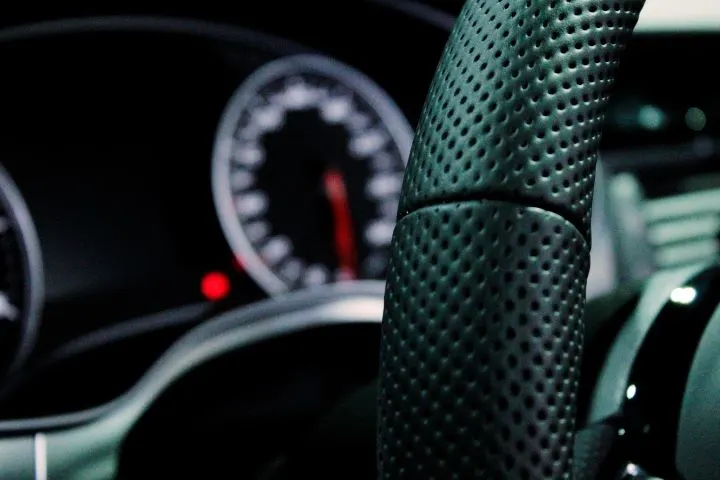
IIHS says the study shows why 'partial automation systems need more robust safeguards to prevent misuse.'
Pexels/Malte Luk
Partially automated vehicle systems encourage driver distraction, according to a safety group study.
Following the habits of a group of Volvo drivers and a group of Tesla drivers, the Insurance Institute of Highway Safety found that both tended to adapt to the two brands’ driver-assistance systems in order to engage in nondriving activities, including eating and, inevitably, looking at their phones.
The findings show that people are much more likely to multitask on the road when such systems are on. To enable their extracurricular activities, the drivers learned to engage with their vehicles at certain intervals in order to prevent more urgent warnings from the systems about their distraction, IIHS said.
“This demonstrates why partial automation systems need more robust safeguards to prevent misuse,” said David Harkey, the nonprofit group’s president, in a press release on the study result.
For obvious safety reasons, drivers should monitor progress down the road despite such systems being in operation so they can resume control if things go awry, IIHS said. Being distracted with nondriving activities can compromise that necessary alertness.
The distracted behavior took place despite the vehicle brand and its accompanying partial-automation system, and regardless of the level of city or highway driving study participants did. In fact, the longer the study went on, the more likely the drivers were to be driven to distraction.
LEARN MORE: Traffic Safety Group, Senators Call for ADS Scrutiny
More Industry
Auto Nameplate Loyalty Holds in Tough Times
Consumers have been faithful to brands despite financial pressures, and JD Power says that’s because automakers have made some wise moves.
Read More →
Top New Jersey RV Store Sells
Myer’s RV Superstore is expanding its footprint in the state with two new locations that it acquired from Ed Hutchinson Jr.
Read More →
Alliance Analyzes Technician Pipeline
A new industry report examines the state of skilled trades in the U.S. and details the drivers of demand for automotive repair and how technicians enter and grow in the workforce.
Read More →
Luxury Rooftop Changes Hands
Genesis of Glenview is getting a new owner and a new location, but its name will stay the same.
Read More →
Future-Proof Your Business
A new industry outlook details several ways that automotive companies can use the rise in artificial intelligence and advanced technologies to their advantage.
Read More →
Dealership Buy-Sells Keep Going Up
First-half transactions reflect continued high appetite for acquisitions despite falling profits, the most sought-after franchises bringing record prices.
Read More →
California Makes Electric Moves
New laws in the Golden State aim to advance consumer access to public electric-vehicle chargers and reduce costs and barriers to its infrastructure.
Read More →
Rare Earths Independence
Automakers seek alternatives to sourcing battery raw materials in volatile markets roiled by trade wars and disrupted supply chains.
Read More →
Volvo Appoints President and CEO
Klaus Zellmer will replace Håkan Samuelsson as president and CEO of Volvo Cars in 2027 as the company makes strategic shifts toward profitability and cash generation.
Read More →
Fix Up Your Fixed Ops
The department may hold untapped potential for your dealership. There are ways to unearth it and turn it around for more profits.
Read More →