



Hyundai Expands North American Footprint
Building on a previously announced $26 billion U.S. investment, Hyundai said it will grow its North American lineup and U.S.-based production and parts sourcing.


Currently in the U.S., Hyundai operates the Metaplant America in Georgia and manufacturing plant in Alabama.
Pexels/Gift Habeshaw
- Hyundai is making a significant expansion of its North American lineup.
- The company is increasing its U.S.-based production capabilities.
- Hyundai is boosting its sourcing of parts within the United States.
*Summarized by AI
Hyundai Motor Co. said it plans to expand its North American lineup with 36 all-new or significantly enhanced vehicles starting this year and extending into 2030.
The lineup will include passenger cars, SUVs, trucks and commercial vehicles across power trains, including internal combustion engines, hybrids, battery electric and extended-range electric models.
The South Korean automaker said the broad mix of power trains is “intended to address varying customer demand across the U.S., Canada and Mexico.” It said the models will include core vehicles, as well as expanded trim lines, and will incorporate XRT and N performance derivatives.
“By expanding our product portfolio and offering a wider range of powertrains in North America, we’re giving customers more choice while continuing to strengthen our long-term investment in US manufacturing, jobs, and the broader automotive ecosystem,” said Hyundai President and Chief Executive José Muñoz.
The expansion is part of a $26 billion U.S. investment that the company announced last year and that includes a new steel mill in Louisiana and a robotics innovation hub.
The automaker said its goal is to have more than 80% of its vehicles sold in the U.S. to be domestically assembled by 2030, which falls in line with the ongoing Trump administration push for increased domestic manufacturing. It said it also plans to increase its U.S. supply-chain content, or parts sourcing, from 60% to 80% for “greater efficiency.”
More Showroom
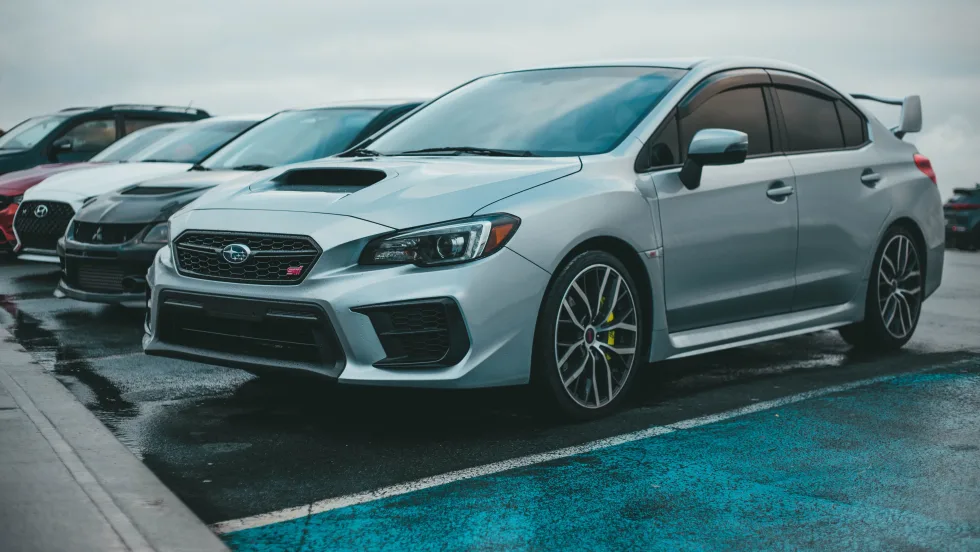
New-Vehicle Prices Stay Put
Affordability pressures and model availability shaped new-vehicle sales in September, according to an analysis by Kelley Blue Book.
Read More →
EV Buyer Consideration Shifts
What drives American consumers to purchase an electric vehicle is shifting as the question moves away from Should I?' to 'Which features and experience do I want to have?'
Read More →
Year-to-Date Auto Sales Holding Their Own
A forecast through August shows that automakers have shifted strategies to keep deliveries and revenues up despite tariffs and other economic challenges.
Read More →
Slow to Robo
Ten years of polling consumers shows autonomous vehicles’ profiles have risen considerably, but even more people now want at least some level of control if they go that route.
Read More →
Dealers a Little Down
A third-quarter Cox Automotive survey finds them in a mixed mood, bummed by fallen customer traffic but encouraged by better profits, costs and EV interest.
Read More →
European EV Sales Skyrocket
The EV market on the continent held strong in July with almost 25% of new-car sales being fully electric units, a stark contrast to the U.S., where EV sales declined about 42%.
Read More →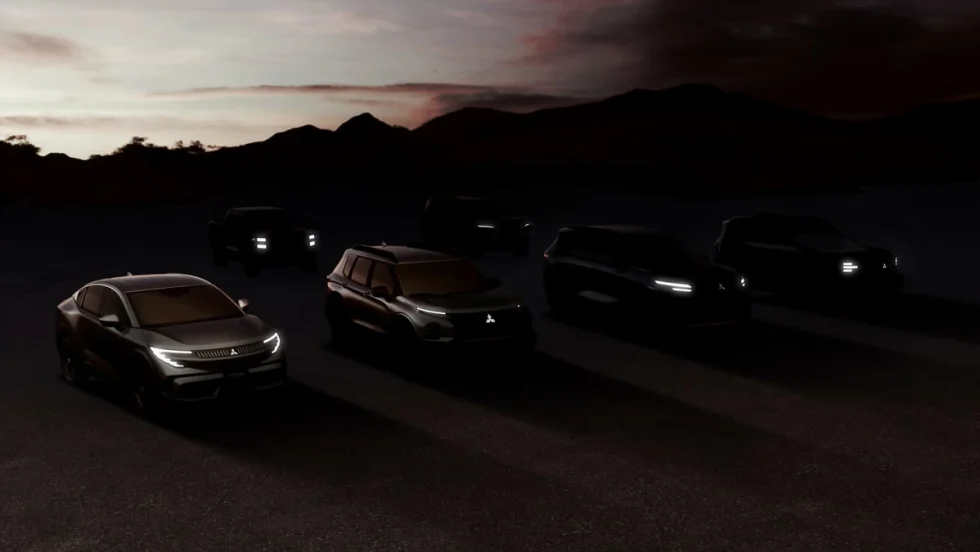
Mitsubishi Unveils U.S. Plan
The automaker announced a strategy that includes an expanded lineup and dealership presence, along with more ‘rugged’ and electric models.
Read More →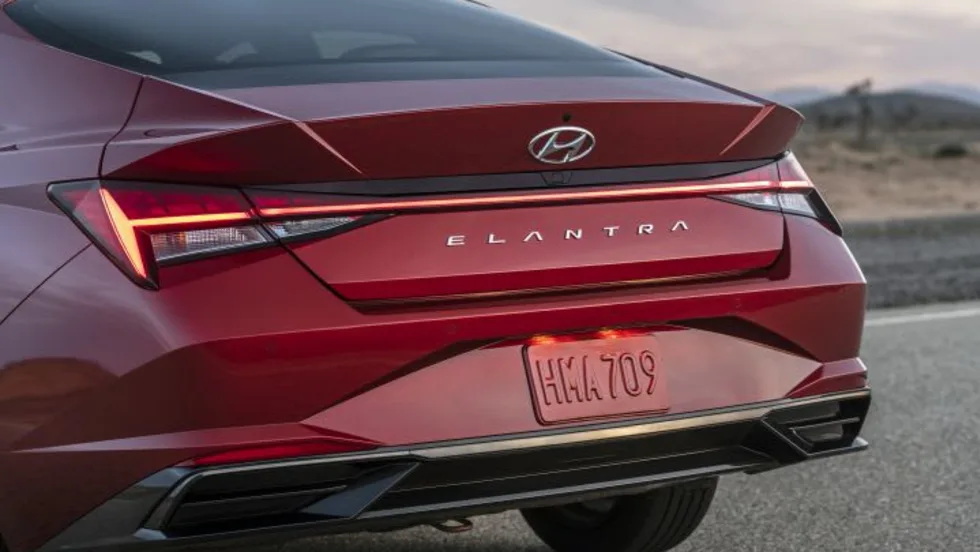
Used Lots Getting the Business
Many consumers are seeking out the units to save money, and the demand – higher in July than normal – is keeping supply limited and prices up.
Read More →
Used Market Stabilizes
The Carfax Used Car Index noted a major drop in used-vehicle price increases in July after several months of hikes.
Read More →
California Hybrids Reach State Record
The Golden State still leads the country in electric-vehicle registrations, but much like the rest of the U.S. its hybrid market share is up while full electrics stabilize after a dramatic first-quarter dip.
Read More →