



Jaguar Land Rover Reports Profit for Q3 of its Fiscal Year
The company reported a profit before tax of $326 million for the quarter ending in December.

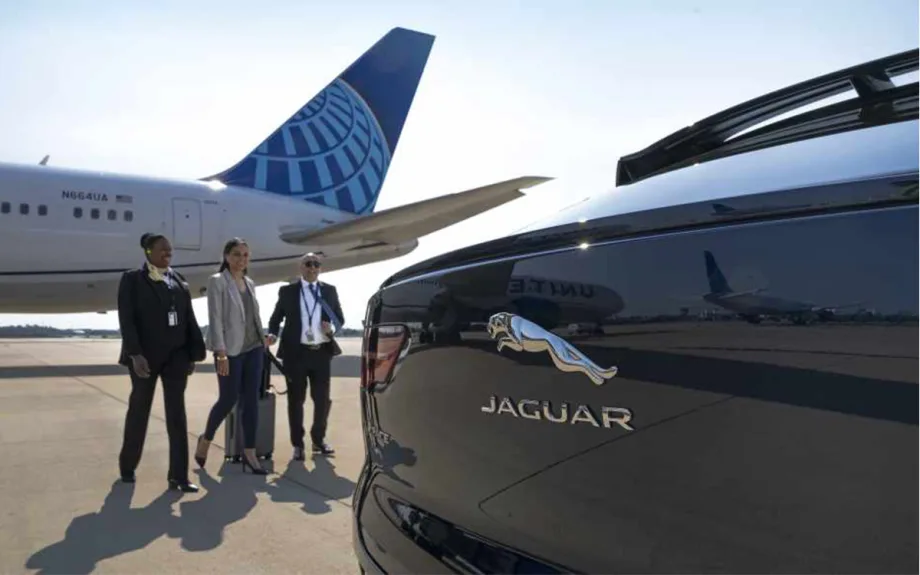
The company reported a profit before tax of $326 million for the quarter ending in December.
IMAGE: Jaguar
Jaguar Land Rover reported profit before tax of £265 million ($326 million) for the quarter ending in December, compared to an £9 million shortfall in 2021, Indian parent Tata Motors Ltd. reported.
The automaker attributes the gain to nearly double the sales of the Range Rover and Range Rover Sport models and positive currency effects.
“JLR has returned to profit as chip shortages eased in the quarter and production and wholesales increased,” Adrian Mardell, JLR’s interim CEO, said in a press release. Mardell took over as CEO when Thierry Bollore, who led the company for less than two years, announced his departure in November.
The manufacturer noted that semiconductor shortages crippled production across the auto industry for much of 2022. JLR reported it might miss its target of becoming net-debt free by 2024 because of continued supply shortages, which come amid record vehicle orders of 215,000.
JLR also announced that its Solihull plant in the UK will manufacture fully electric Jaguar models alongside Range Rover models by 2025.
JLR reported it expects to achieve positive Ebit margin and free cash flow in the fiscal fourth quarter with wholesales of 80,000 units or more. The cost-cutting program is expected to deliver over £1 billion in improvements in 2023 to help soften inflation.
Tata Motors CFO P.B. Balaji reported he is “cautiously optimistic,” noting there is still a shortage of semiconductor supplies at JLR.
JLR’s wholesales jumped 15% in the third quarter of its fiscal year, to 79,591 vehicles. Wholesale volumes in China were hit by Covid restrictions over the year, with sales falling 13% from the previous quarter. The situation is expected to improve now that China has lifted these restrictions.
Parent-company Tata reported a net income of 29.6 billion rupees ($363 million) in the third quarter, compared to a 15.2 billion rupee loss in 2021.
Tata Motors plans to invest $2.2 billion in electric vehicles over five years with the company’s EV business well-funded, Balaji reported.
Originally posted on Auto Dealer Today
More Auto Finance

Interest Rates Further Squeeze Auto Consumers
Last month’s hike and a potential second increase this month add to a growing list of inflation woes that could continue to dent overall car sales.
Read More →
Mind Your Process
Consistent steps taken in various aspects of the F&I office can make valuable differences over time, similar to an outline for a best-selling book.
Read More →
Top Five Credit Application Fraud Flags
Compliance audits regularly reveal bad habits that can lead to fraud charges and should have been stamped out decades ago.
Read More →
More Auto Loans for the Taking in August
Riskier categories were on the uptick for the month as lenders loosened access in several areas while balancing out the exposure in another, Cox Automotive reported.
Read More →
July Was Hot for Auto Borrowers
Credit proved readily available for many, but most loans left buyers in negative territory, Cox Automotive said.
Read More →
Dealer Lender Preferences Revealed
When lenders provide consistent, fast service, their overall satisfaction scores with dealers greatly improve, according to JD Power research.
Read More →
Auto Refi Savings Surge
Consumers with 84-month auto loan terms who refinanced saved the most on monthly payments, according to a new report by auto refinancing provider Caribou.
Read More →
Subaru Enters Lending Business
The automaker follows other brands in adding captive financing in the U.S., and says the move will strengthen its position here.
Read More →
Positive Equity Reaches Record High
Mainstream vehicle owners who bought a car seven years ago are likely to have positive equity when trading in for a new vehicle, according to second-quarter Edmunds data.
Read More →
Dealerships Are Paying the Price for Extended Car Loans
Growing negative-equity scenarios mean such lengthy terms should be addressed in a forward-looking way to make them work for the dealer and the consumer down the road.
Read More →