



NAF Data Points to Tighter Guidelines, Longer Terms
The National Auto Finance (NAF) Association's newly released Nonprime Auto Financing Survey includes data that points to tightening lending guidelines and lengthening terms for U.S. auto loans.
HANOVER, Md. — The National Auto Finance (NAF) Association's newly released Nonprime Auto Financing Survey includes data that points to tightening lending guidelines and lengthening terms for U.S. auto loans. Conducted by Benchmark Consulting International, the survey found that FICO scores last year were up by an average of seven points for new-car originations and five points for used cars.
Jack Tracey, The NAF Association's executive director, said the data provided some indication that lenders were tightening lending guidelines at the close of 2007.
"It's not a dramatic jump, but if lenders are tightening, FICO scores would be improving," he said.
_1771413085490.jpg)
Finance sources, however, didn’t shy away from extending terms, as terms for new- and used-vehicle purchases increased 7 and 13 percent, respectively. Tracey speculated that the tightening of the credit markets in the second half of the year might have prevented terms from stretching out even further.
Loan-to-value (LTV) ratios were also down five basis points for new vehicles, another indicator of a tightening credit market. Additionally, contract volume went down 4 percent on new vehicles and up 14 percent for used. The study also revealed losses from repossession were up 11 percent last year, while contract volume for new vehicles was down 3 percent last year. For used vehicles, contract volume increased 11 percent.
A total of 26 finance sources were surveyed for the study, representing more than 3.1 million accounts worth $39.8 billion in loan originations.
"Nothing in this study flies in the face of the marketplace," Tracey said. "The (lenders) relying on securitization to produce funding continue to be very concerned. I believe over time, and I can’t predict how long it will take, the securitization market will come back ... it's been largely the result of the overreaction to the subprime mortgage debacle."
More F&I

Integrating Nontraditional F&I Products
The niche presents a strategic advantage for auto dealerships as they move to adapt to fast-changing consumer expectations in today’s market.
Read More →
Trust Is Personal
Technology, no matter how efficient, can’t replace what the human F&I manager can do, which is to bridge the divide between cyberspace and the in-store experience.
Read More →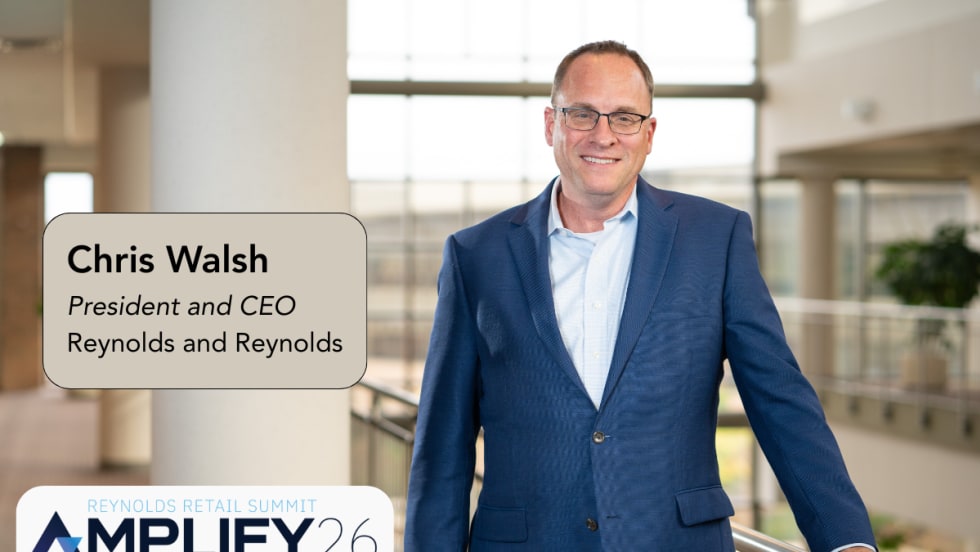
Amplify 2026 Billed as Turning Innovation Into Results
Reynolds and Reynolds says its annual retail summit will connect dealers with practical strategies, peer insight, and technology-driven ideas.
Read More →
Own Your Outcome: F&I in the Digital Customer Journey
Finance has historically been the last step in the car-buying process, but it doesn’t have to be. The customer’s journey starts long before they arrive at the dealership, and so should F&I’s involvement.
Read More →
Tariffs Could Raise Insurance Premiums
As U.S. import tariffs affect repair costs, consumers might find it more affordable to replace a damaged vehicle, according to recent Insurify tariff analysis.
Read More →
Smaller Loans, Longer Terms
The youngest generation of car buyers is more likely to finance less expensive vehicles, more than half of generation Z consumers borrowing less than $25,000.
Read More →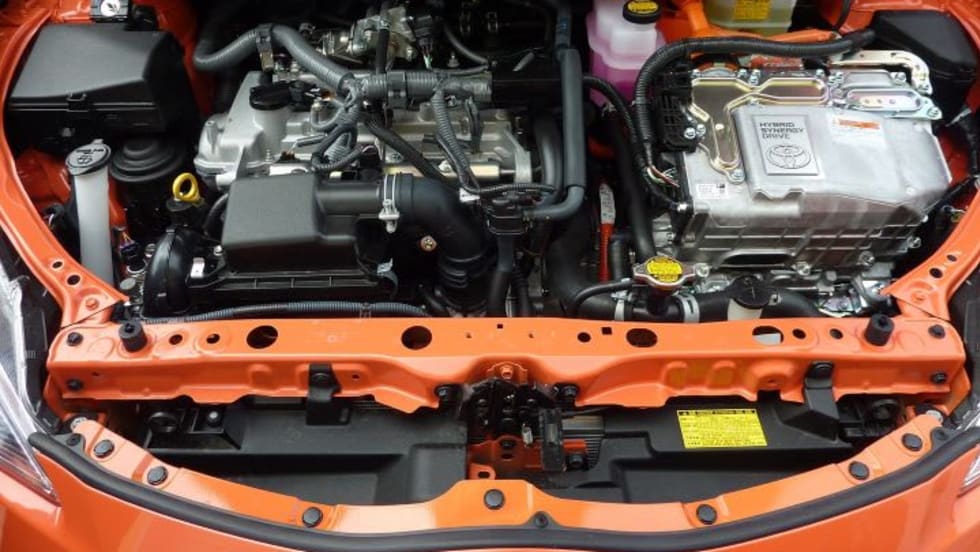
New Lifetime Battery F&I Product Meant to Drive Dealer Traffic
EFG Cos. offering is intended to create lifetime auto dealer engagement with customers.
Read More →
The Psychology Behind Menus That Increase Add-On Sales
There is a science to crafting a menu that gives customers confidence in the choices presented, and moving the process outside the F&I office can further boost results.
Read More →
Why Your F&I PVR Is Misleading You
Here’s a handy checklist of the numbers to track in 2026 instead.
Read More →
Auto Consumer Anxiety Presents Opportunity
A survey of U.S. drivers found the majority are concerned about finances and the economy, but those fears make many ready to buy vehicle-protection products.
Read More →