



Never Mind: Top 10 New Cars Resold Within First Year
iSeeCars.com analysts found German and British highline models are the most likely new vehicles to be resold by their owners within a year of purchase.

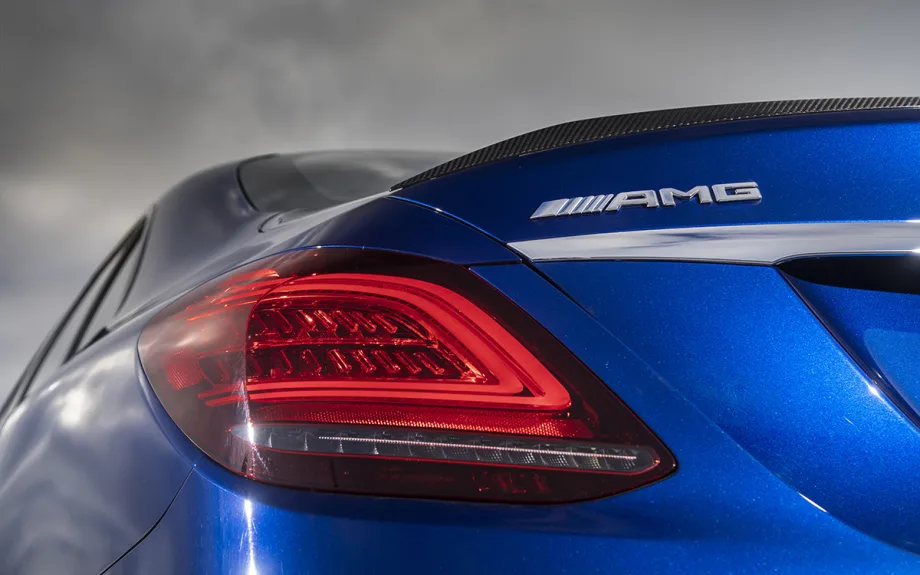
iSeeCars.com analysts found more than 12% of Americans who purchased a new 2014–’17 Mercedes-Benz C-Class resold it within one year.
Photo courtesy Mercedes-Benz USA
WOBURN, Mass. — In a new study, automotive research firm and car search engine iSeeCars.com found that while only 3.4% of new cars are resold as used within the first year of ownership, German and British luxury vehicles are given up much more frequently.
iSeeCars.com analyzed more than 46 million individual new car sales and determined how many MY-2014–’17 new cars were resold as used within the first year with at least 1,000 miles on the odometer. The results show that the top 10 models are given up more than 2.5 times as frequently as the average vehicle.
Eight of the top 10 models are from luxury brands, with an even split between German and British automakers. Nissan, which has two models in the top 10, stands out as the only mass-market manufacturer on the list.
Mercedes-Benz C-Class (12.4%)
BMW 3 Series (11.8%)
Land Rover Discovery Sport (11.8%)
Land Rover Range Rover Evoque (10.9%)
Mini Clubman (10.7%)
BMW X1 (10.4%)
BMW X3 (9.0%)
Nissan Versa Note (9.0%)
Jaguar XF (8.8%)
Nissan Versa (8.7%)
iSeeCars CEO Phong Ly said reliability was a factor for the “top”-ranked German factories.
“Despite the popularity of these vehicles, they generally have below-average reliability ratings from Consumer Reports, which could contribute to why owners get rid of them so quickly,” Ly said. “Another possible explanation is that BMW and Mercedes offer incentives to their dealers to buy new cars to use as loaner vehicles, which are then sold as used when they are still under a year old. In turn, this boosts the brand’s new car sales and introduces current customers to new models when they bring in their vehicles for service.”
To read the full report, including segment and market rankings, click here.
Originally posted on Auto Dealer Today
More Showroom

California Sees Quarterly Gains
California’s new-vehicle market saw a boost in hybrids in the third quarter and its first overall quarterly market gain of the year.
Read More →
New-Vehicle Prices Stay Put
Affordability pressures and model availability shaped new-vehicle sales in September, according to an analysis by Kelley Blue Book.
Read More →
EV Buyer Consideration Shifts
What drives American consumers to purchase an electric vehicle is shifting as the question moves away from Should I?' to 'Which features and experience do I want to have?'
Read More →
Year-to-Date Auto Sales Holding Their Own
A forecast through August shows that automakers have shifted strategies to keep deliveries and revenues up despite tariffs and other economic challenges.
Read More →
Slow to Robo
Ten years of polling consumers shows autonomous vehicles’ profiles have risen considerably, but even more people now want at least some level of control if they go that route.
Read More →
Dealers a Little Down
A third-quarter Cox Automotive survey finds them in a mixed mood, bummed by fallen customer traffic but encouraged by better profits, costs and EV interest.
Read More →
European EV Sales Skyrocket
The EV market on the continent held strong in July with almost 25% of new-car sales being fully electric units, a stark contrast to the U.S., where EV sales declined about 42%.
Read More →
Mitsubishi Unveils U.S. Plan
The automaker announced a strategy that includes an expanded lineup and dealership presence, along with more ‘rugged’ and electric models.
Read More →
Used Lots Getting the Business
Many consumers are seeking out the units to save money, and the demand – higher in July than normal – is keeping supply limited and prices up.
Read More →
Used Market Stabilizes
The Carfax Used Car Index noted a major drop in used-vehicle price increases in July after several months of hikes.
Read More →