



New Independent Study Finds Majority of Car Shoppers Open to Purchasing Online
ACERTUS study shows that 80 percent of potential car buyers may consider buying a car sight-unseen if certain conditions are met.

ACERTUS study shows that 80 percent of potential car buyers may consider buying a car sight-unseen if certain conditions are met.
ST. LOUIS – The automotive retail landscape is changing and so too is buyer demand and behavior. To address and better understand automotive consumer expectations, ACERTUS, a tech-driven automotive logistics and services company, turned to Material, a modern marketing services firm, to launch an independent study on the current core characteristics of online car buyers. The report shows that a staggering 80 percent of car shoppers are now open to an online vehicle purchase, a 50 percent increase from pre-COVID numbers. Those most receptive to a virtual car-buying experience are younger males in metropolitan areas looking to purchase economy vehicles.
For dealers to thrive and survive in this new era of digital retailing, it is critical that they engage a partner with the infrastructure and expertise to help execute a home delivery and pick up program.
According to recent reports, 2020 will be the fourth-largest annual decline for the U.S. auto industry since 1980 – behind a 19.1 percent loss in 1980 and 18 percent and 21.2 percent declines during the Great Recession in 2008 and 2009, respectively. The COVID-19 pandemic led to significant disruptions to the automotive industry, including supply chain issues, carrier capacity constraints, inventory shortages, vehicle pricing challenges, increased demand, evolving customer expectations, and a reduced dealer footprint. While the pandemic created market stagnation across the auto industry, it also opened up opportunities for those willing to shift to a new online sales model. The ACERTUS-backed study highlighted the main customer preferences and pain points when approaching an online car purchase.
When it came to potential issues, many of those surveyed had concerns about assessing vehicle condition and potential damage before making a purchase. A large number were also worried about transporting the vehicle. Some of the top barriers to purchase include:
Inability to test drive before purchasing
Shipping costs and vehicle damage
Ability/process of returning the car if it does not meet customer expectations upon arrival
“We applied our rigorous, data-driven approach to uncover powerful insights into car buying behaviors and the immediate need for dealers to service the stay-at-home economy,” said William Billiter, ACERTUS co-founder and chief executive officer. “For dealers to thrive and survive in this new era of digital retailing, it is critical that they engage a partner with the infrastructure and expertise to help execute a home delivery and pick up program. With nearly 25 years of experience and a full suite of logistics services, ACERTUS is uniquely positioned to help dealers of any size deliver.”
In addition to the main raised concerns, there were several other concessions buyers would look for when ordering a car online, including:
Images and full vehicle history available
Full assessment and inspection of the vehicle upon delivery
Title and registration completed before delivery
Variety of shipping options available, along with vehicle tracking while in transit
Offering an online purchasing process that provides a full assessment of the vehicle and easily coordinates shipping, title and registration and a fail-safe return process is the surest way to entice buyers to purchase online, according to study data. For more information on the study, or to learn more about ACERTUS, please visit www.ACERTUSdelivers.com.
The Material team surveyed more than 1000 potential car buyers over a period of two weeks in December of 2020. Respondents must have purchased a vehicle in the past 12 months or intend to purchase a vehicle in the upcoming 12 months. To participate, respondents must be shared or sole decision maker in purchase decision.
More Digital
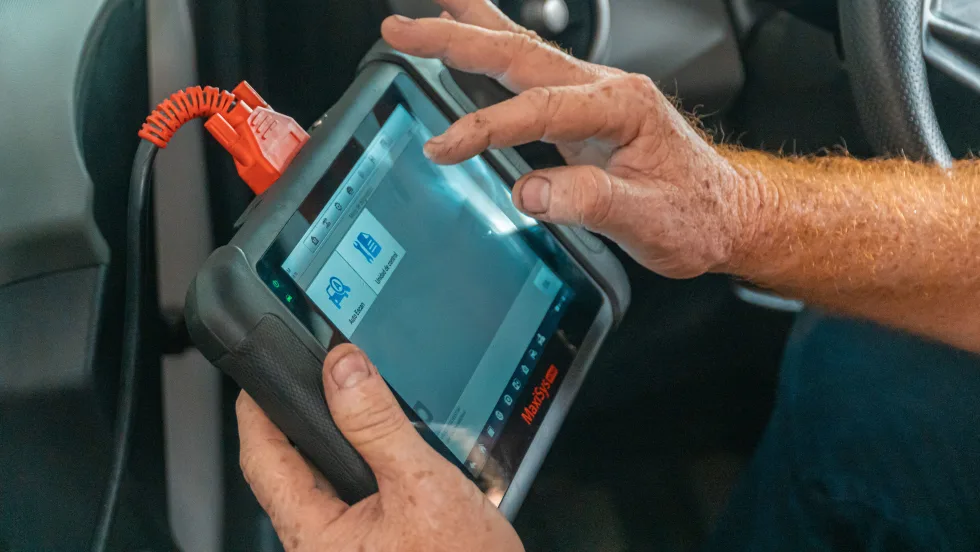
Fixed-Ops Automation Can Help Dealerships Stand Out
Technology turns everyday service repairs into lasting customer loyalty and dealer profitability.

AI and the Auto Dealer
These are risks you can’t ignore as the technology becomes more and more of a presence in the auto retail environment.

Data Drives Success
Dealerships that make decisions based on data rather than gut instinct or experience have a leg up on their competitors, according to a recent survey.

AI: Facilitator, Not Fixer, in F&I
The dealerships that thrive in the years ahead will be those that embrace technology while continuing to invest in the people who make customer interactions count.

Simple But Effective Hacking Surges
Data from the past year at U.S. auto dealerships finds that email and identity phishing are growing threat sources that can dispense with malware by exploiting trust.
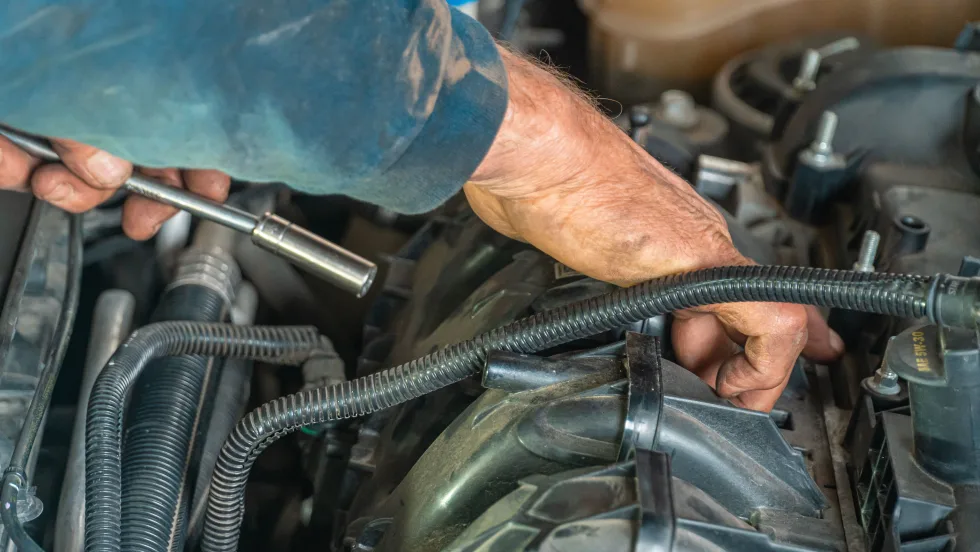
The Future of Car Dealerships
Artificial intelligence is reshaping the service-drive experience and will help retailers stay competitive.

Structure Leads to Optimized Auto Listings
As the average car-buying journey has shifted to a blend of digital and retail, a dealership’s vehicle listings must be optimized to answer shoppers’ questions clearly and accurately.

Real Intelligence
AI, though it presents many opportunities for productivity, efficiency and more, isn’t a one-for-one stand-in for people. It can augment human capital but not replace it altogether.

Zurich Launches Advisor IQ for F&I Manager Coaching
The new platform uses real transaction data and artificial intelligence-driven insights to help car dealerships improve consistency and performance.

F&I in the Digital Age
Digital retailing has not made the F&I manager obsolete. If anything, it has revealed how valuable the role can become when technology is used correctly.