



New Seat Belt Billed as Game-Changer
Volvo says design adapts to the user, traffic scenario and will be improved over the life of the car.


Volvo said its new seat belt design dramatically improves on the three-point design it debuted in 1959.
Pexels/Mario Amé
Volvo, known for its vehicle safety enhancements, said it’s introducing an innovative seat belt design that adapts to the wearer.
The restraint, scheduled to debut in Volvo’s 2026 EX60 electric SUV, uses interior and exterior sensors to adjust itself based on the wearer’s size, body shape and seating position.
The Swedish automaker, calling the device a “world-first technology,” said it will also improve the restraint over time through over-the-air software updates.
Volvo said the new design improves on the decades-old seat belt configuration that the company also innovated.
“This marks a major upgrade to the modern three-point safety belt, a Volvo invention introduced in 1959, estimated to have saved over a million lives,” said Asa Haglund, head of Volvo Cars Safety Centre in a press release.
As examples of the seat belt’s adaptability, Volvo said it would shift to a higher belt load setting in a serious crash in the case of a larger occupant to lower head injury risk and to a lower load setting for a smaller occupant in a minor crash to minimize rib fracture risk.
Volvo said it expanded seat belt load-limiting profiles, or controls on belt force applied to the body in a crash, from three to 11 in the new system to customize for each situation and occupant.
The restraint system of sensors instantaneously assesses the speed, direction and occupant posture in a crash and adjusts the seat belt’s settings accordingly, Volvo said.
The system, which Volvo has crash-tested, is designed to better acquaint itself with a vehicle’s occupants over time and add data on new scenarios and how to respond to them, all adjusted through over-the-air software updates.
More Industry
Auto Nameplate Loyalty Holds in Tough Times
Consumers have been faithful to brands despite financial pressures, and JD Power says that’s because automakers have made some wise moves.
Read More →
Top New Jersey RV Store Sells
Myer’s RV Superstore is expanding its footprint in the state with two new locations that it acquired from Ed Hutchinson Jr.
Read More →
Alliance Analyzes Technician Pipeline
A new industry report examines the state of skilled trades in the U.S. and details the drivers of demand for automotive repair and how technicians enter and grow in the workforce.
Read More →
Luxury Rooftop Changes Hands
Genesis of Glenview is getting a new owner and a new location, but its name will stay the same.
Read More →
Future-Proof Your Business
A new industry outlook details several ways that automotive companies can use the rise in artificial intelligence and advanced technologies to their advantage.
Read More →
Dealership Buy-Sells Keep Going Up
First-half transactions reflect continued high appetite for acquisitions despite falling profits, the most sought-after franchises bringing record prices.
Read More →
California Makes Electric Moves
New laws in the Golden State aim to advance consumer access to public electric-vehicle chargers and reduce costs and barriers to its infrastructure.
Read More →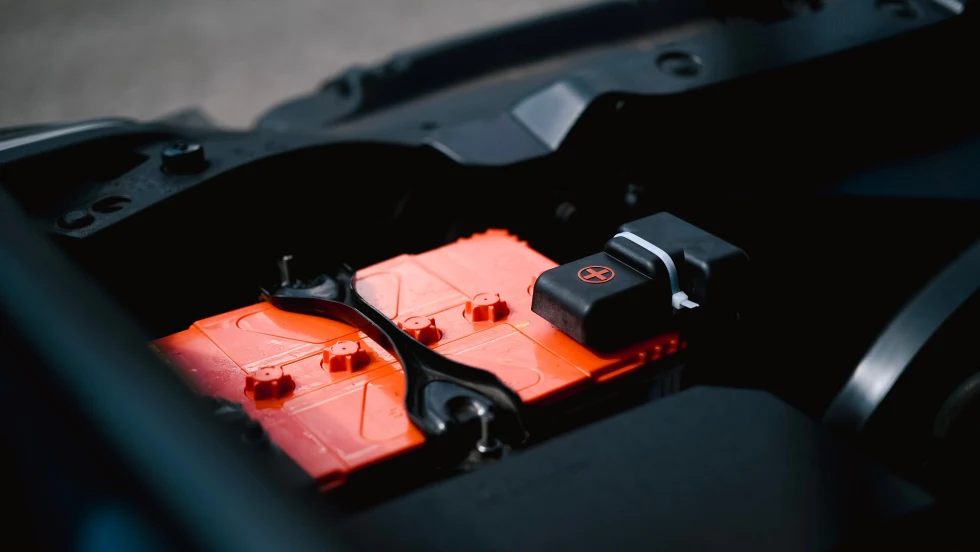
Rare Earths Independence
Automakers seek alternatives to sourcing battery raw materials in volatile markets roiled by trade wars and disrupted supply chains.
Read More →
Volvo Appoints President and CEO
Klaus Zellmer will replace Håkan Samuelsson as president and CEO of Volvo Cars in 2027 as the company makes strategic shifts toward profitability and cash generation.
Read More →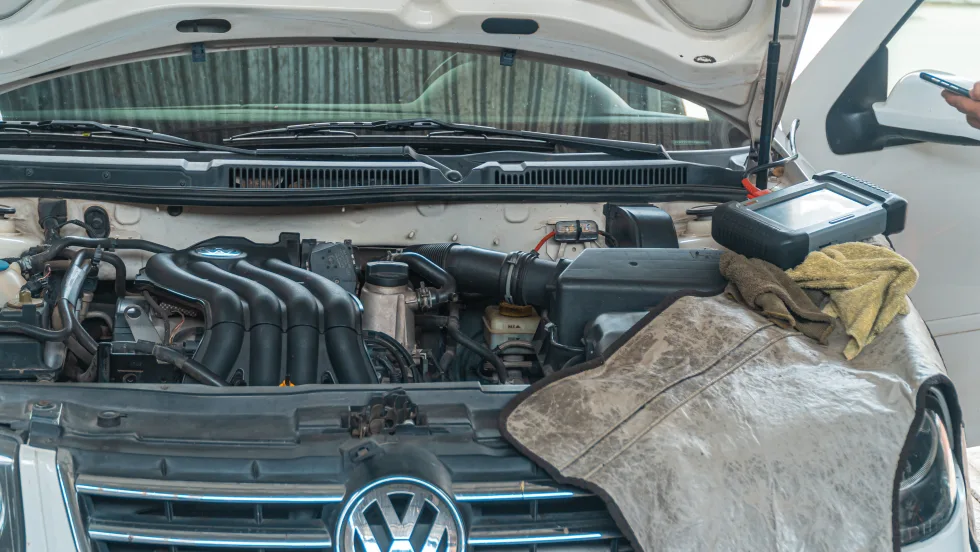
Fix Up Your Fixed Ops
The department may hold untapped potential for your dealership. There are ways to unearth it and turn it around for more profits.
Read More →