



New Vehicles Down for Most Brands
Healthy May sales cut into inventory as automakers kept a tight reign on supply, though some brands ended the month with excess units on the ground.


Dodge had the biggest supply among major automakers selling in the U.S. as May closed at 148 days, Cox said.
Stellantis
U.S. new-vehicle supply inched up 1% month-over-month in May, 13% above a year earlier, Cox Automotive reported.
Inventory stood at about 2.9 million units at the end of the month, which saw the most robust sales pace of the year so far. That translates to 76 days’ supply.
The data provider said days’ supply this year has ranged from a high of 96 in a harsh-weather February to last month’s 76.
“… the broader pattern remains one of steady supply rather than renewed accumulation,” said Executive Analyst Erin Keating.
The steadiness is in sharp contrast to last year, when the first half was distorted by a sales spike inspired by U.S. trade tariff hikes.
Most brands experienced supply reductions last month due to healthy sales, the daily retail selling rate up about 7% from April and about 10% year-over-year, Cox reported.
It pointed out Nissan’s days’ supply fell from 87 in April and May 2025 to 82 after a month of brisk sales. On the other end of the scale, Stellantis brands’ days’ supply stood at 129 for Chrysler, 144 for Ram, 145 for Jeep and 148 for Dodge.
Cox found that there was still plenty of relatively affordable vehicle supply in May, 56% selling for less than $50,000 and 25% between $30,000 and $40,000. The average listing price, though, clocked in at $49,307, up 1% from a year earlier.
“The market looks balanced, but it is not broadly comfortable,” Keating said. “Demand is still holding up better than many expected, supported in part by a solid labor market and wealth effects at the higher end, yet elevated financing costs and household budget pressure continue to cap how far that strength can carry. For automakers, the key takeaway is that inventory discipline is working.
More Showroom

California Sees Quarterly Gains
California’s new-vehicle market saw a boost in hybrids in the third quarter and its first overall quarterly market gain of the year.
Read More →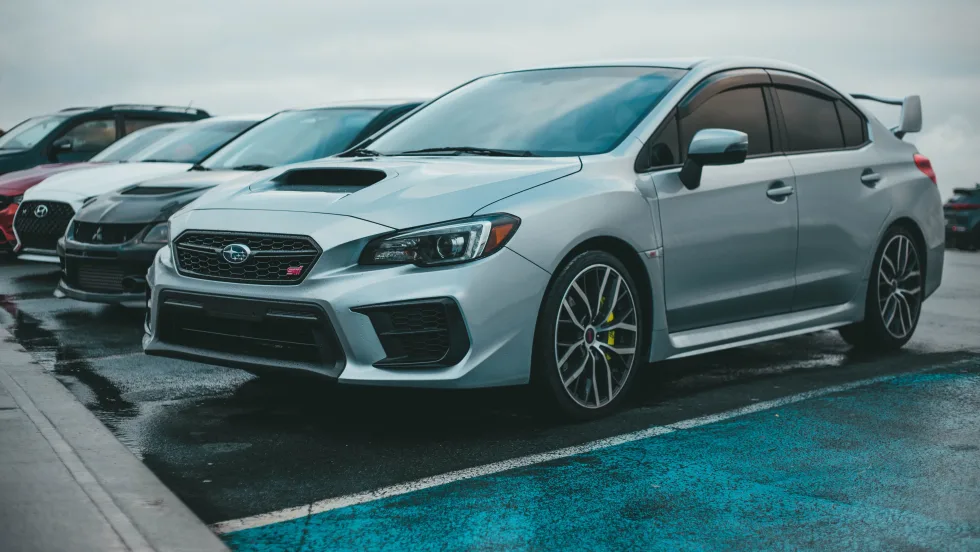
New-Vehicle Prices Stay Put
Affordability pressures and model availability shaped new-vehicle sales in September, according to an analysis by Kelley Blue Book.
Read More →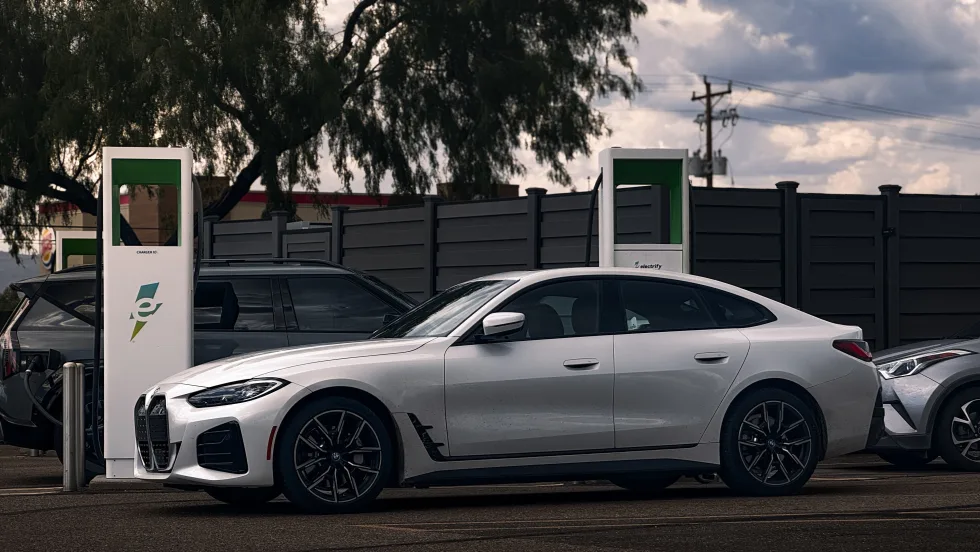
EV Buyer Consideration Shifts
What drives American consumers to purchase an electric vehicle is shifting as the question moves away from Should I?' to 'Which features and experience do I want to have?'
Read More →
Year-to-Date Auto Sales Holding Their Own
A forecast through August shows that automakers have shifted strategies to keep deliveries and revenues up despite tariffs and other economic challenges.
Read More →
Slow to Robo
Ten years of polling consumers shows autonomous vehicles’ profiles have risen considerably, but even more people now want at least some level of control if they go that route.
Read More →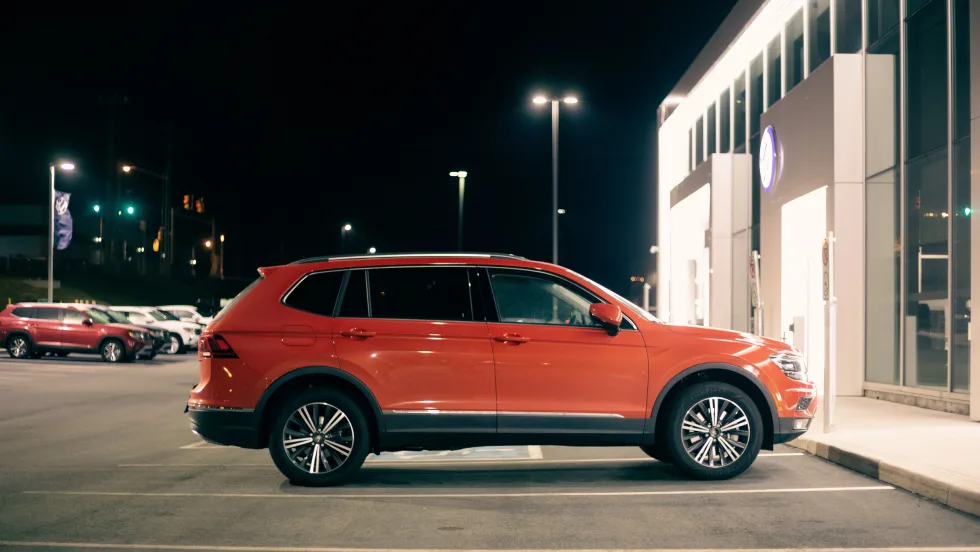
Dealers a Little Down
A third-quarter Cox Automotive survey finds them in a mixed mood, bummed by fallen customer traffic but encouraged by better profits, costs and EV interest.
Read More →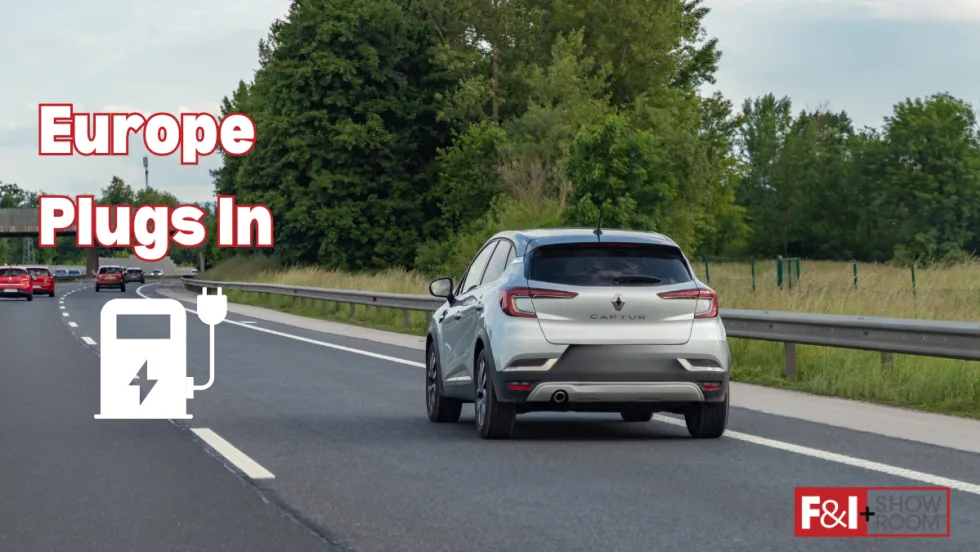
European EV Sales Skyrocket
The EV market on the continent held strong in July with almost 25% of new-car sales being fully electric units, a stark contrast to the U.S., where EV sales declined about 42%.
Read More →
Mitsubishi Unveils U.S. Plan
The automaker announced a strategy that includes an expanded lineup and dealership presence, along with more ‘rugged’ and electric models.
Read More →
Used Lots Getting the Business
Many consumers are seeking out the units to save money, and the demand – higher in July than normal – is keeping supply limited and prices up.
Read More →
Used Market Stabilizes
The Carfax Used Car Index noted a major drop in used-vehicle price increases in July after several months of hikes.
Read More →